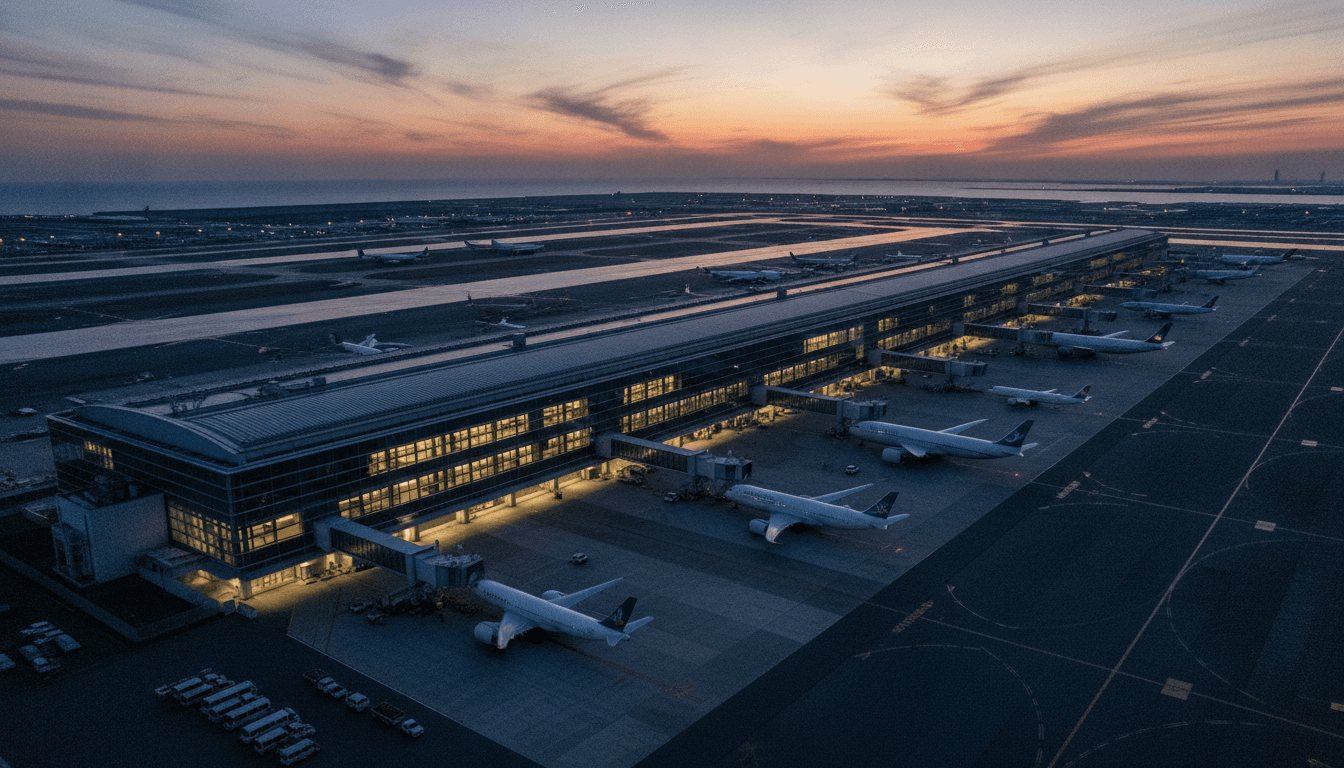
Kansai Airport deploys massive Terminal 1 expansion, aggressively opening its upgraded international commercial area on June 2, 2026, to directly counter severe global travel chaos and systemic terminal congestion. This strategic infrastructure fortification, a culmination of a five-year renovation effort initiated in 2021, represents a critical operational defense against widespread flight cancellations, inbound congestion, and logistical vulnerabilities that have plagued international transit corridors.
The Story: Osaka’s Strategic Fortification Against Chaos
In an era marked by significant disruption to commercial aviation, traditional connecting networks worldwide are buckling under a massive wave of sudden travel chaos. Aviation authorities, in collaboration with Kansai Airports, have executed a comprehensive operational strategy in Osaka to shield international tourists and corporate commuters from these transit nightmares. By centralizing immigration, integrating enhanced services, and deploying a newly configured international departures zone, Kansai International Airport aims to ensure seamless, delay-free transit options for passengers.
The expanded international commercial area within Terminal 1, now approximately 1.6 times larger than before, is designed to process the substantial passenger volume, which exceeded 34 million in 2025. This aggressive deployment marks a significant milestone, exactly ten years since Kansai Airports commenced its concession in 2016. The objective is to bypass the severe logistical friction historically associated with congested legacy halls, particularly amidst peak regional surges, and to restore passenger confidence by offering a dependable, unified crisis management framework.
Impact Analysis: Reimagining Global Transit
The strategic fortification at Kansai International Airport sends a clear message to the broader travel and tourism landscape: proactive infrastructure investment is no longer optional but imperative for survival. As global airports grapple with unprecedented travel demand and the lingering effects of operational disruptions, Kansai’s approach sets a new benchmark for managing high-capacity passenger flows. The emphasis on modernizing commercial spaces, centralizing key processes, and optimizing boarding procedures directly addresses the core pain points of contemporary air travel.
“The aggressive deployment of world-class gateways ready for tomorrow’s immense travel demand is now a competitive necessity for the global aviation industry,” notes an industry analyst.
This initiative not only protects travelers from the immediate stresses of congestion but also secures Japan’s position as a premier destination, ensuring that visitors can experience its cultural offerings without the deterrent of arduous airport experiences. The move signals a shift towards a more resilient and passenger-centric operational model, forcing the industry to prioritize seamless connectivity over outdated, fragmented systems.
Context & Background: A Five-Year Vision Realized
The comprehensive renovation of Terminal 1, which began in 2021, represents a long-term vision to enhance Kansai International Airport’s capacity and operational efficiency. For decades, dense departure corridors across Japan operated under severe logistical strain, leading to frequent operational adjustments, disjointed schedules, and vulnerable connecting flights. This expansion is a direct response to the undeniable reality that routing millions of passengers through legacy infrastructure guarantees extreme friction, especially with rebounding inbound tourism destabilizing outbound traffic flows.
The phased renovation has included redesigning the domestic section and introducing a massive centralized immigration hall, ensuring smooth passenger flows right up to the newly configured departure zone. Furthermore, the implementation of a “Call to Gate” system optimizes boarding announcements, preventing terminal paralysis and enhancing the overall passenger experience. The integration of 24 new retail and food outlets, including four dedicated Japanese restaurants, transforms the transit point into a comfortable and curated journey, mitigating the need for passengers to navigate complex rebookings due to gridlock. This strategic overhaul aligns with global trends where airports are competing fiercely on terminal expansions to manage complex route networks and ground operations pressures. For more insights on global travel infrastructure, explore our related travel & tourism articles.
What’s Next: A Blueprint for Global Hubs
The successful launch of Kansai’s expanded Terminal 1 is likely to serve as a blueprint for other global hubs facing similar challenges. The emphasis on robust, delay-proof passenger flows, secured by coordinated, highly efficient, and modernized departure zones, will become a standard expectation. Future implications include increased investment in smart airport technologies, further integration of seamless travel processes, and a continued focus on enhancing the passenger experience through curated retail and dining options. This move positions Kansai International Airport not just as a regional leader, but as a global exemplar in managing the complexities of modern air travel demand.
Key Takeaway: The Imperative of Modernization
The massive operational fortification at Kansai International Airport acts as a crucial warning to rival global hubs regarding the procedural fragility of outdated terminal infrastructure. It underscores that failing to optimize passenger flows during logistical events will inevitably trigger cascading delays and severe travel chaos complaints. The aviation sector is now compelled to abandon disorganized boarding procedures in favor of a resilient, highly scrutinized travel framework built on strict space utilization margins. This aggressively opens access to a surviving travel economy that depends entirely on robust, delay-proof passenger flows protected by coordinated, highly efficient, and modernized departure zones.
For corporate travelers and tourists booking flights into or out of Osaka, utilizing the aggressively expanded Terminal 1 at Kansai International Airport is absolutely essential to completely bypass extreme unpredictability during this volatile upcoming season.