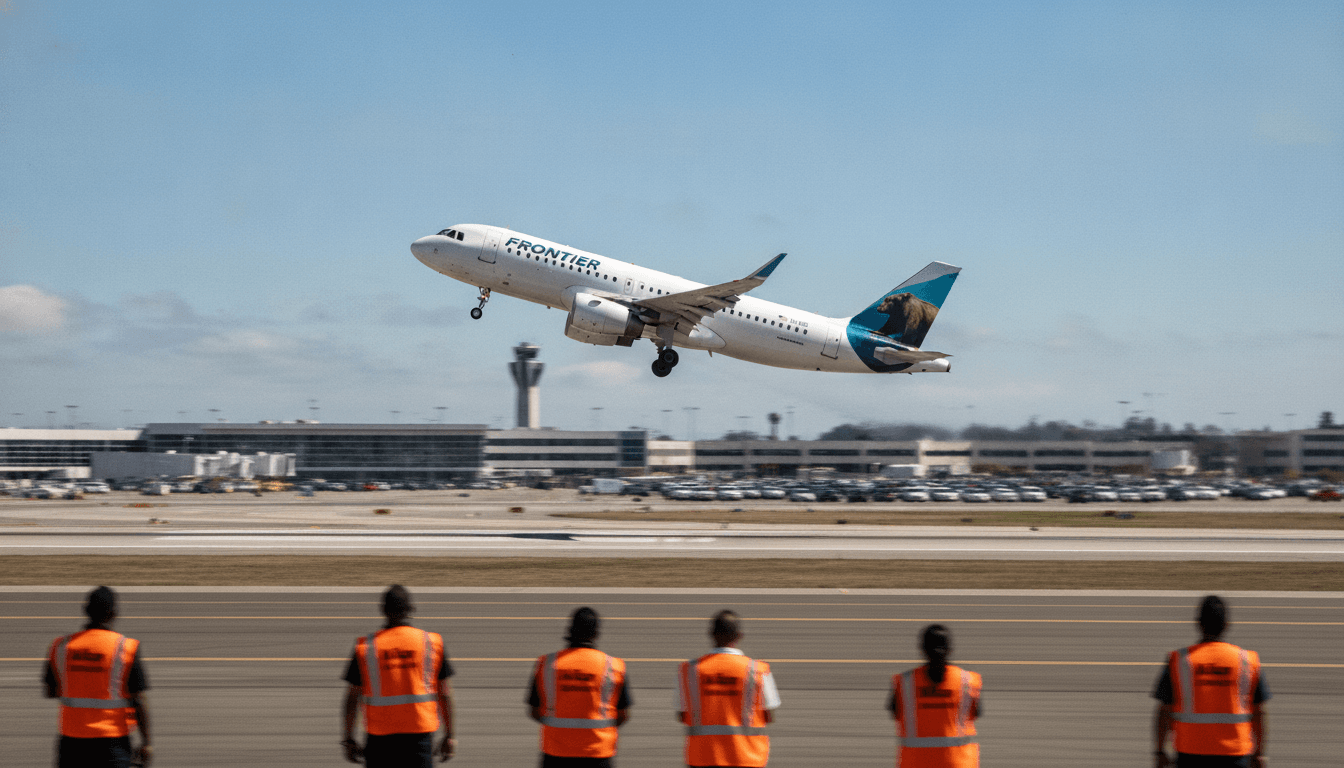
Frontier Airlines returns to Oakland with two new routes, marking a significant strategic move for the low-cost carrier after a three-year hiatus from Oakland San Francisco Bay Airport (OAK). This expansion, announced on Thursday, June 11, 2026, will re-establish a critical connection between Las Vegas and OAK, alongside a new service to Boise, Idaho, underscoring Frontier’s continued growth trajectory across North America.
The resumption of service to Oakland is particularly notable, signaling renewed confidence in the Bay Area market for budget-conscious travelers. Beginning August 20, the Las Vegas-Oakland route will operate 11 times per week, providing frequent and affordable access between these key Western U.S. cities. Introductory fares are being offered from $49 one way, a clear indication of Frontier’s commitment to its low-cost model and a direct appeal to consumers seeking value.
Frontier Airlines Returns to Oakland
Josh Flyr, vice president of Network and Operations Design at Frontier, emphasized the strategic importance of this re-entry, stating,
“We are delighted to announce these new routes and our return to OAK, offering high-value travel options to Nevada, Idaho, and California.”
This sentiment highlights the airline’s dual focus on expanding its network while maintaining its core offering of accessible air travel. The decision to resume Oakland service after a pause since 2023 reflects a dynamic assessment of market demand and competitive landscape.
Beyond Oakland, Frontier is also strengthening its presence in the Pacific Northwest with a new route connecting Boise Airport (Idaho) with Las Vegas. This service, launching on September 10, 2026, will operate four times per week, with fares also starting from $49. Boise is currently served by Frontier from Denver, making the Las Vegas connection a valuable addition for travelers from Idaho seeking direct access to one of Frontier’s largest operating bases, which boasts connections to over 30 destinations. This move further solidifies Las Vegas as a central hub in Frontier’s expanding network.
This latest expansion is a component of Frontier’s broader “New Frontier” strategy, a comprehensive initiative aimed at enhancing both network reach and passenger experience. As part of this strategy, the airline has been rolling out new product offerings, including UpFront Plus seating, and has plans to introduce First Class seating later in 2026. Additionally, benefits for members of its loyalty program have been expanded, signaling a concerted effort to attract and retain a wider range of customers while maintaining its ultra-low-cost carrier identity.
Impact Analysis on Travel & Tourism
The re-entry of Frontier Airlines to Oakland is poised to inject significant competition into the Bay Area’s air travel market. For consumers, this translates to more choices and potentially lower fares, especially for routes connecting to Las Vegas. The increased frequency of 11 flights per week between OAK and Las Vegas suggests a robust demand for leisure and business travel between these two metropolitan areas. This move could pressure other carriers operating similar routes to adjust their pricing strategies, benefiting the broader traveling public in California and Nevada. Similarly, the new Boise-Las Vegas route provides a crucial direct link, simplifying travel for Idaho residents and potentially boosting tourism and economic activity between the two states.
From an airport perspective, OAK’s regained service from Frontier is a positive development, enhancing its connectivity and passenger volume. Oakland, located twelve miles east of San Francisco, serves as a vital gateway for both domestic and international travelers, and increased airline activity contributes to its operational vitality. The strategic location of OAK makes it an attractive option for travelers looking to avoid the often-higher costs and congestion of other Bay Area airports. Such route expansions are often a bellwether for regional economic health, indicating renewed traveler confidence and robust demand.
What’s Next for Frontier and Regional Connectivity
Looking ahead, the successful integration of these new routes, particularly the crucial Frontier Airlines returns to Oakland service, will be a key indicator of Frontier’s strategic execution. The airline’s commitment to its “New Frontier” strategy, encompassing both network growth and product enhancements like UpFront Plus and planned First Class seating, suggests an airline actively evolving its business model. The market will be watching to see how these new offerings are received by passengers and how they influence Frontier’s competitive standing against other low-cost and legacy carriers. Further expansion from key bases like Las Vegas and Denver remains a strong possibility as the airline continues to optimize its network.
The broader implications for regional connectivity are significant. The focus on connecting underserved or competitively priced markets with major hubs like Las Vegas demonstrates a strategy aimed at maximizing passenger convenience and accessibility. As the travel industry continues to recover and adapt to evolving consumer preferences, airlines like Frontier, which prioritize affordable travel options, are well-positioned to capture a substantial share of the market. This consistent expansion underscores an ongoing trend of low-cost carriers playing an increasingly dominant role in shaping air travel landscapes across the United States. The success of these new routes could pave the way for additional service resumptions or new market entries in other regions.
The re-establishment of the Las Vegas-Oakland route and the introduction of the Boise-Las Vegas service by Frontier Airlines signify a strategic re-engagement with key markets and a clear commitment to its low-cost growth model. These developments will undoubtedly reshape competitive dynamics and offer substantial benefits to travelers seeking value and convenience across the Western United States.