A historic 6.1 magnitude Cuba earthquake sent shockwaves through the Caribbean on Tuesday, June 9, 2026, extending its reach to Florida ports, Mexican beach destinations, and major cruise routes. Remarkably, initial reports confirm no disruption to travel operations, a testament to the industry’s resilience and robust infrastructure in a seismically active region.
The Tremor and Its Reach
The tremor, originating off Cuba, was significant enough to be felt across a wide geographical area. While the epicenter was in Cuban territory, its energy propagated efficiently through the earth’s crust, leading to noticeable effects as far north as Florida and west to popular Mexican coastal areas. This expansive reach, encompassing critical maritime and leisure zones, initially raised concerns within the travel and tourism sector. However, the swift confirmation of uninterrupted services has largely assuaged immediate fears.
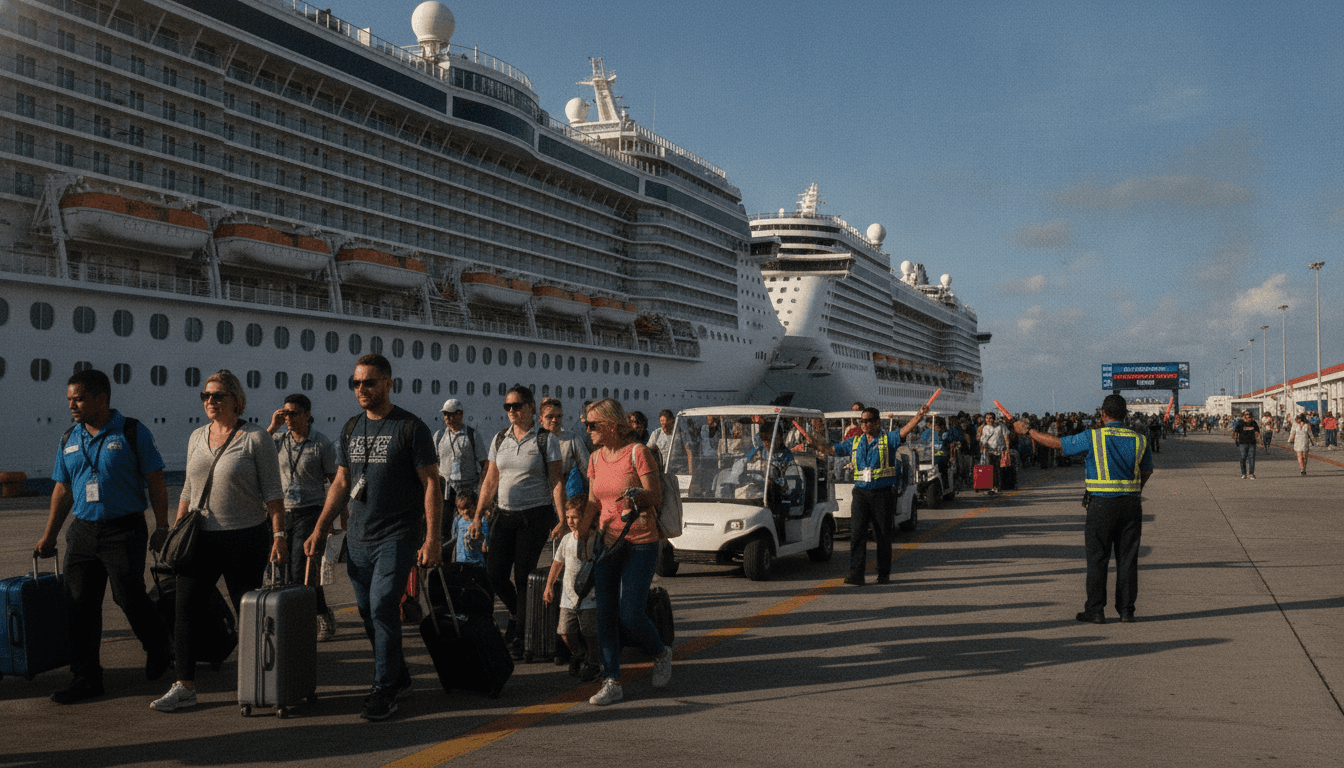
The incident on June 9, 2026, highlights the intricate geological dynamics of the Caribbean plate and its surrounding regions. For an earthquake of this magnitude to register across such a broad and economically vital area without causing operational halts is a crucial data point for risk assessment in the travel industry. Major cruise lines, which frequently traverse the waters between Florida, Cuba, and Mexico, continued their schedules unimpeded. Similarly, the bustling ports of Florida, essential gateways for both cargo and passenger traffic, reported normal operations.
Impact on Travel & Tourism Landscape
The lack of disruption following the Cuba earthquake is a significant narrative for the broader travel and tourism landscape. In an era where natural disasters frequently pose existential threats to travel plans and destinations, this event underscores effective preparedness and structural integrity. For Caribbean and Gulf Coast destinations, which are perennially exposed to various natural phenomena, maintaining operational continuity during such an event is a powerful message of reliability.
“The swift confirmation of uninterrupted services across Florida ports and major cruise routes following a 6.1 magnitude earthquake is a powerful testament to the travel industry’s commitment to safety and operational resilience, even in the face of significant natural events.”
This event provides valuable insights for insurers, investors, and operators in the sector. It demonstrates that while the threat of seismic activity is constant, the physical infrastructure and operational protocols in place are capable of withstanding moderate tremors. This resilience is vital for maintaining consumer confidence, particularly for cruise lines and resort operators whose business models depend heavily on perceived safety and reliability. The incident also offers a practical case study for emergency response and communication protocols within the industry, which appear to have functioned effectively in preventing widespread panic or unnecessary cancellations.
Context & Background
The Caribbean is a tectonically active region, situated at the boundary of several major tectonic plates. Earthquakes are a common occurrence, though tremors of 6.1 magnitude that are felt across such a wide area are less frequent but not unprecedented. The region’s history of seismic activity has prompted robust building codes and infrastructure development in many key travel hubs, particularly in areas prone to both earthquakes and hurricanes. This proactive approach likely contributed to the minimal impact observed on June 9, 2026.
Previous events, such as the devastating 2010 Haiti earthquake or the numerous hurricanes that have impacted the region, have spurred significant investment in resilient infrastructure and enhanced emergency response mechanisms. For the cruise industry, specifically, stringent safety regulations and self-sufficient operational capabilities mean that vessels are often able to navigate or endure such events with minimal passenger impact. The ability of major cruise routes to remain operational is a direct consequence of these ongoing investments and protocols. This reinforces the narrative of a maturing industry that has learned from past challenges and adapted its operations accordingly. For more insights into regional travel resilience, see our analysis of Caribbean tourism recovery.
What’s Next
Looking ahead, the primary implication of this Cuba earthquake incident is a reinforcement of existing risk assessments rather than a call for drastic new measures. While a 6.1 magnitude event is significant, its benign impact on travel operations will likely serve as validation for current preparedness strategies. Industry stakeholders, including port authorities, cruise line executives, and hotel groups, will undoubtedly review their incident response logs to identify any areas for marginal improvement.
There are no immediate predictions of upcoming decisions that would significantly alter travel routes or infrastructure investment based solely on this event. Instead, the focus will remain on continuous improvement of early warning systems, structural integrity checks, and communication protocols. The incident may, however, lead to renewed emphasis during investor briefings on the resilience of Caribbean and Florida-based travel assets, potentially strengthening confidence in regional tourism investments.
Key Takeaway
The historic 6.1 magnitude Cuba earthquake, while significant in its geographical reach across Florida ports, Mexican beach destinations, and major cruise routes, ultimately served as a powerful demonstration of the travel and tourism industry’s robustness. The complete absence of operational disruptions underlines the effectiveness of existing infrastructure, emergency protocols, and the inherent resilience built into modern travel operations in seismically active regions. This outcome provides a reassuring signal to both travelers and investors about the continued reliability and safety of key Caribbean and Gulf Coast travel corridors, even in the face of natural phenomena.