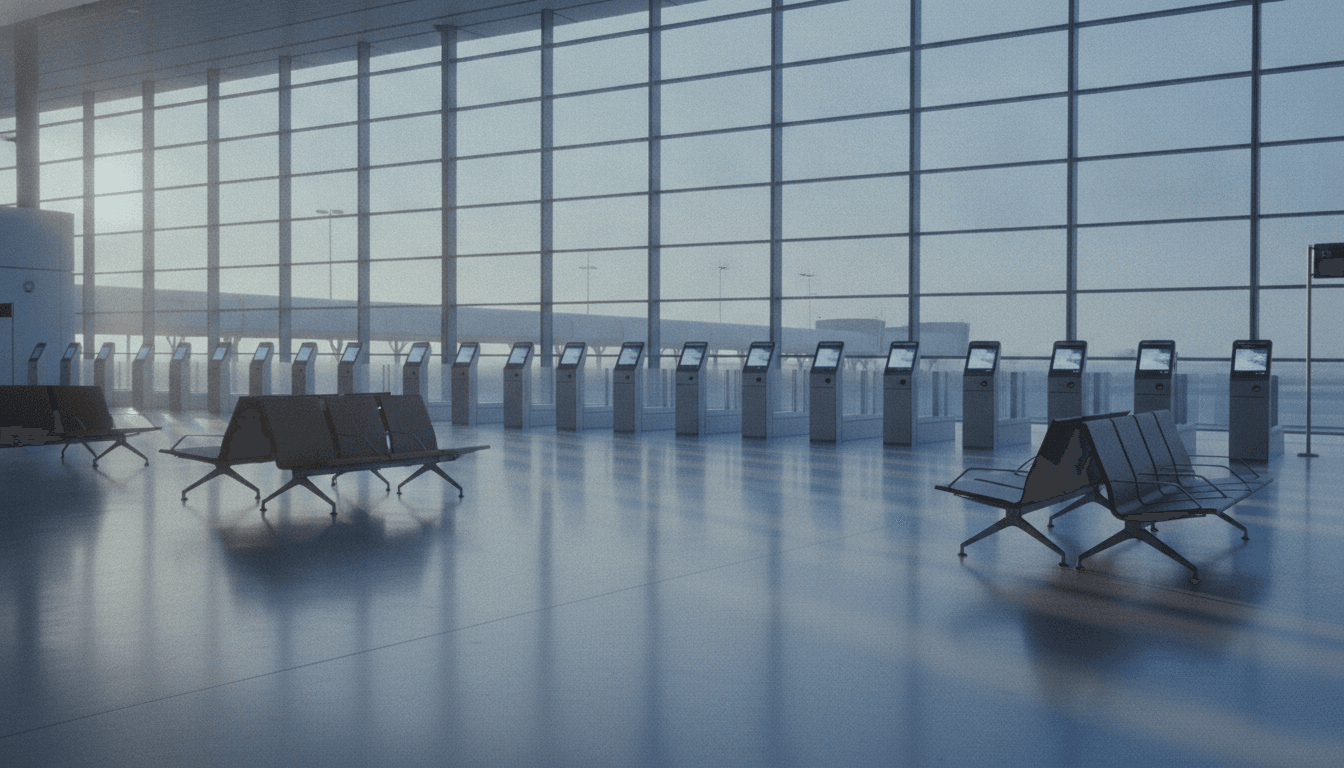
American Airlines unveils new, high-tech gates at Dallas Airport, marking a significant advancement in passenger experience and operational efficiency for one of the world’s busiest air travel hubs. On Wednesday, June 10, 2026, the airline revealed these upgraded facilities, signaling a strategic investment in modernizing its infrastructure and streamlining the boarding process for millions of travelers.
The Story: A Modernization Milestone
The unveiling of these new, high-tech gates at Dallas Airport by American Airlines represents a substantial upgrade to its operational footprint. While specific details regarding the exact number of gates or the technologies deployed were not fully elaborated, the announcement from TravelPulse emphasizes a shift towards enhanced technological integration within the airport environment. This initiative is expected to reduce boarding times, improve passenger flow, and offer a more seamless journey from check-in to aircraft.
This development comes as airlines globally continue to navigate increasing passenger volumes and the persistent demand for more efficient and less stressful travel experiences. American Airlines, a major player in the global aviation industry, has clearly positioned itself at the forefront of this modernization drive, specifically targeting its Dallas hub, a critical nexus for both domestic and international routes.
Impact Analysis: Reshaping the Travel Landscape
The introduction of new, high-tech gates at Dallas Airport carries significant implications for the broader travel and tourism landscape. For passengers, the immediate benefit will likely be a more expedited and less chaotic boarding process. Technologies such as automated gate readers, biometric scanning, and dynamic digital signage are often hallmarks of such upgrades, all designed to minimize bottlenecks and improve overall satisfaction.
From an operational standpoint, these advancements can lead to better on-time performance for American Airlines, a crucial metric in a highly competitive industry. Faster turnarounds at the gate mean aircraft spend less time on the ground, potentially allowing for more flights and improved schedule reliability. This efficiency gain can translate into substantial cost savings and increased revenue potential for the airline.
“The strategic integration of advanced technology at key airport hubs is no longer a luxury but a necessity for airlines aiming to maintain a competitive edge and meet evolving passenger expectations,” says a leading industry analyst.
Furthermore, this move by American Airlines could set a new benchmark for airport infrastructure development, prompting other airlines and airport authorities to accelerate their own modernization plans. The ripple effect could lead to a widespread adoption of similar high-tech solutions across major airports globally, ultimately transforming the passenger experience nationwide. For more insights into such industry shifts, explore our related travel & tourism articles.
Context & Background: A History of Innovation
The aviation industry has a long history of technological innovation, from the introduction of jet engines to computerized reservation systems. In recent years, the focus has shifted towards enhancing the ground experience, with airports and airlines investing heavily in smart infrastructure. Previous initiatives have included self-service kiosks, advanced baggage handling systems, and sophisticated air traffic control technologies.
Dallas Airport, as one of the largest and busiest airports in the world, has consistently been a site for such advancements. American Airlines, with its significant presence there, often spearheads these changes. This latest upgrade to new, high-tech gates aligns with a broader trend of airlines leveraging technology to improve operational resilience and customer loyalty in a post-pandemic world, where health and safety protocols also necessitate efficient, touchless processes.
What’s Next: The Future of Airport Operations
Looking ahead, the successful deployment of these new, high-tech gates at Dallas Airport will likely inform American Airlines’ future investment strategies at other key hubs. We can anticipate further integration of artificial intelligence and machine learning to predict passenger flows, optimize gate assignments, and personalize the travel experience. The ongoing evolution of biometric technology, particularly facial recognition, is also poised to play an even larger role in future gate operations, potentially eliminating the need for physical boarding passes entirely.
Decisions regarding the scalability of these technologies and their implementation across American Airlines’ broader network will be closely watched by industry observers. The airline’s commitment to continuous innovation will be crucial in maintaining its competitive position and adapting to the dynamic demands of global travel.
Key Takeaway: Elevating the Passenger Journey
The unveiling of new, high-tech gates at Dallas Airport by American Airlines is more than just an infrastructure upgrade; it’s a clear signal of the industry’s direction towards a more efficient, seamless, and technologically advanced travel experience. This investment underscores the critical importance of modernizing airport facilities to meet the growing expectations of travelers and the operational demands of airlines. As global travel continues to rebound and expand, such innovations will be pivotal in shaping the future of air travel and ensuring a smoother journey for millions.