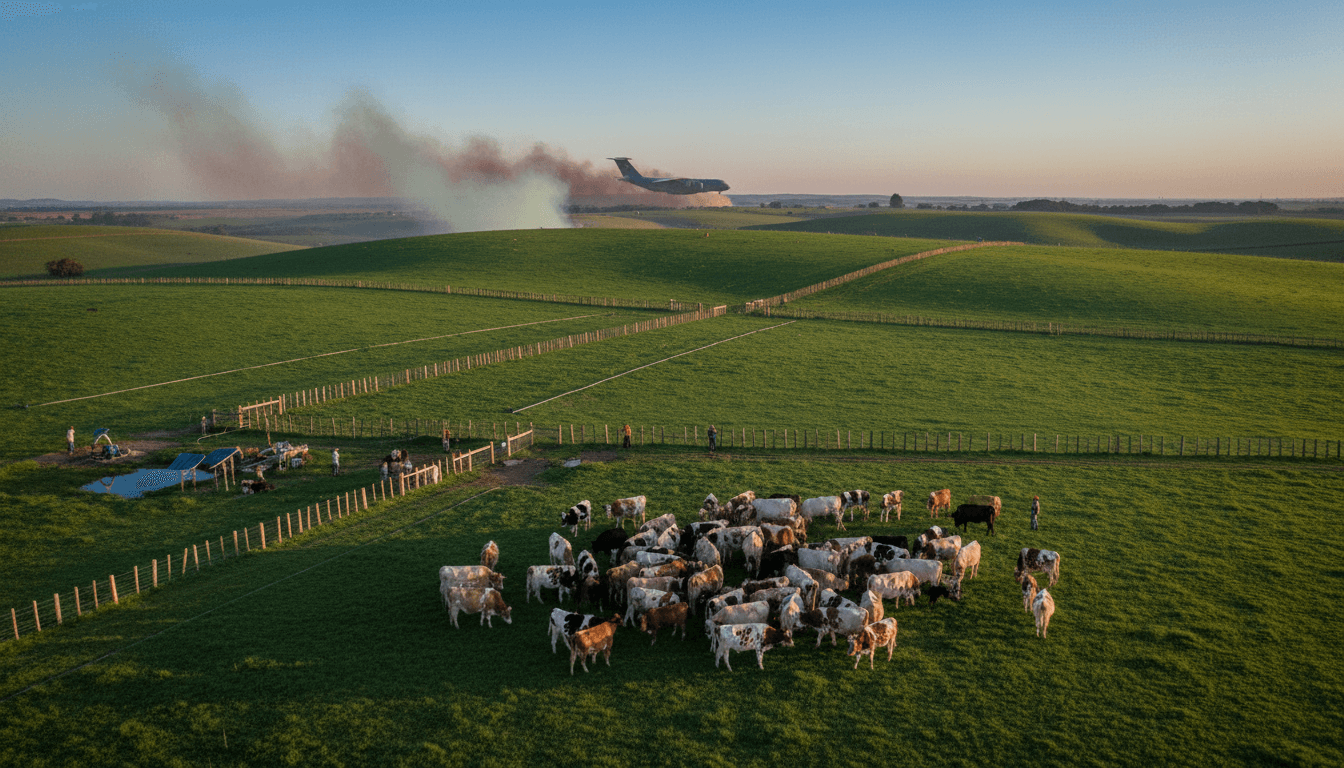
Mounting pressure on SA dairy due to Middle East conflict and disease outbreaks is pushing the sector to seek sustainable solutions, with a recent study pointing towards low-capex relief strategies. This challenging environment, highlighted in a report from Friday, April 24, 2026, details how external geopolitical instability and internal health crises are converging to strain South Africa’s vital dairy industry.
The convergence of global conflict and domestic disease outbreaks has created a precarious situation for South African dairy farmers and producers. The Middle East conflict, while geographically distant, contributes to volatile global markets, impacting feed prices, fuel costs, and overall supply chain stability for the SA dairy sector. Simultaneously, local disease outbreaks, though not specified in detail, are known to reduce herd productivity, increase veterinary costs, and pose significant biosecurity challenges, directly affecting milk output and quality.
Understanding the Pressure on SA Dairy
The study, published on April 24, 2026, emphasizes the need for the South African dairy industry to adapt to these dual pressures. It specifically highlights the potential of ‘low-capex relief’ solutions, suggesting that significant capital expenditure might not be the only or even the primary route to resilience. These low-capex approaches typically involve optimizing existing resources, implementing smarter management practices, and leveraging accessible technologies to improve efficiency and mitigate risks without requiring substantial upfront investment. This could range from improved pasture management and water conservation techniques to better disease surveillance and early intervention systems.
“The current climate demands agile and cost-effective solutions for the SA dairy sector to maintain stability and ensure food security for the nation.”
The broader health and wellness landscape is directly affected by the stability of the dairy sector. Dairy products are a fundamental part of the South African diet, providing essential nutrients, particularly for children and vulnerable populations. Disruptions in supply, or increases in price due to these pressures, could have significant public health implications, potentially leading to nutritional deficiencies and increased food insecurity. Furthermore, the economic well-being of thousands of farmers and their communities is intrinsically linked to the health of the dairy industry, impacting overall societal wellness.
Context & Background
The South African agricultural sector has historically faced various challenges, from droughts and floods to fluctuating global commodity prices. Disease outbreaks, such as Foot-and-Mouth Disease or avian influenza, have periodically plagued different livestock sectors, leading to significant economic losses and trade restrictions. The added layer of geopolitical instability, exemplified by the Middle East conflict, introduces an external variable that is harder for local industries to control directly. Previous analyses have often focused on large-scale infrastructure investments or technological upgrades as solutions, but this new study’s emphasis on low-capex relief signals a shift towards more sustainable and accessible strategies, particularly relevant for smaller and medium-sized producers.
What’s Next
The findings of this study are likely to inform future policy decisions and industry best practices within the SA dairy sector. Farmers and producers may increasingly explore and adopt low-capex solutions, perhaps with support from agricultural bodies and government initiatives. Focus could shift towards enhancing biosecurity protocols, optimizing feed conversion ratios, improving genetics for disease resistance, and implementing precision farming techniques that require minimal capital outlay but yield significant improvements. The long-term implications involve a more resilient and sustainable dairy industry, better equipped to withstand external shocks and ensure a consistent supply of dairy products for the South African populace. The ongoing monitoring of both global conflicts and domestic disease patterns will be crucial for the sector’s adaptive strategies.
The critical takeaway from this report is the urgent call for adaptable and economically viable strategies within the South African dairy sector. By prioritizing low-capex relief solutions, the industry can navigate the complex interplay of geopolitical instability and disease outbreaks, securing both its economic future and the nutritional well-being of the nation.