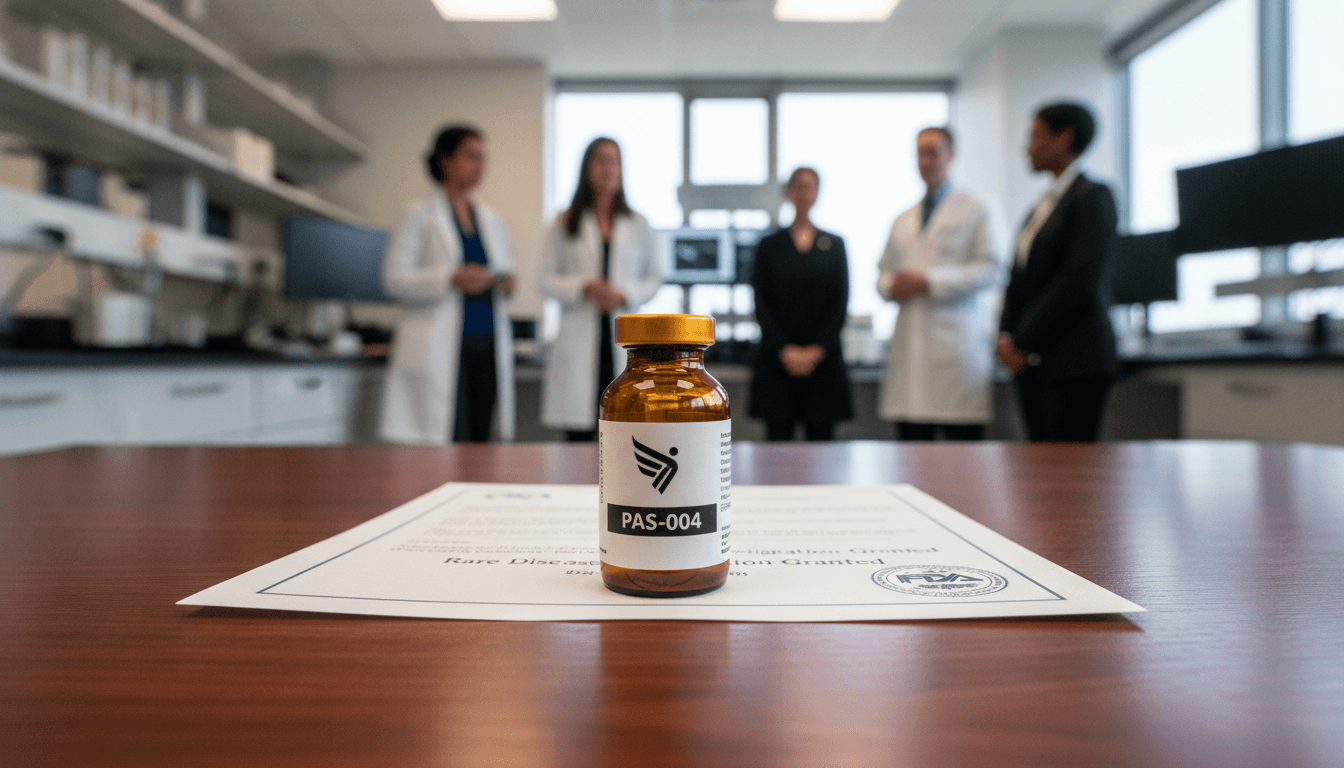
FDA grants Pasithea ALS drug rare-disease status, a significant development announced on Wednesday, June 3, 2026. This designation, awarded to PAS-004, Pasithea’s investigational treatment for Amyotrophic Lateral Sclerosis (ALS), marks a crucial step in accelerating the drug’s path through regulatory processes and potentially bringing a new therapeutic option to patients grappling with this devastating neurodegenerative condition.
The announcement by Stock Titan highlights that PAS-004 has received ‘rare-disease status’ from the U.S. Food and Drug Administration (FDA). Pasithea, a biotechnology firm, is developing PAS-004 specifically to address ALS, also known as Lou Gehrig’s disease. ALS is a progressive illness that affects nerve cells in the brain and spinal cord, leading to loss of muscle control. The rare-disease designation, often referred to as Orphan Drug designation, is granted by the FDA to drugs and biologics intended for the safe and effective treatment, diagnosis, or prevention of rare diseases or conditions that affect fewer than 200,000 people in the U.S.
Impact Analysis
The rare-disease status for Pasithea ALS drug PAS-004 carries substantial implications for both Pasithea and the wider ALS community. For Pasithea, this designation provides several incentives, including tax credits for qualified clinical trials, a waiver of the FDA user fee, and a period of seven years of market exclusivity if the drug receives marketing approval. These benefits are designed to encourage pharmaceutical companies to invest in the development of treatments for conditions that, due to their rarity, might otherwise not be economically viable for extensive research and development.
For patients and caregivers, this news offers a renewed sense of hope. ALS is a rapidly progressive and fatal disease with limited treatment options. The expedited review process often associated with rare-disease status could mean that PAS-004, if proven safe and effective, could reach patients sooner. This acceleration is critical for a disease where time is of the essence, and every potential treatment pathway is eagerly anticipated. The designation also underscores the FDA’s recognition of the urgent unmet medical need in ALS, signaling a commitment to facilitating the development of new therapies.
“The rare-disease designation for PAS-004 is a testament to the urgent need for new ALS treatments and provides crucial incentives for Pasithea to accelerate its development.”
Context & Background
The landscape of ALS research has seen renewed interest and investment in recent years, driven by a deeper understanding of the disease’s complex pathology and advocacy efforts. Historically, ALS drug development has been challenging, with many promising candidates failing in clinical trials. Existing treatments largely focus on managing symptoms and modestly slowing disease progression, highlighting the significant therapeutic gap. The FDA’s Orphan Drug Act of 1983 was specifically enacted to address this challenge, recognizing that the financial incentives for developing drugs for rare conditions are often insufficient without regulatory support. This framework has successfully brought numerous treatments to market for other rare diseases, offering a template for the potential success of Pasithea ALS drug PAS-004.
This development follows broader trends within the pharmaceutical industry towards personalized medicine and a greater focus on rare and ultra-rare diseases, where targeted therapies can have a profound impact on small patient populations. Investment in biotech innovation for neurological disorders has also been on an upward trajectory, reflecting both scientific advancements and increasing venture capital interest. The decision regarding PAS-004 aligns with the FDA’s recent efforts to streamline the approval process for drugs addressing serious conditions with unmet needs, emphasizing speed without compromising safety or efficacy.
What’s Next
With the rare-disease status secured, Pasithea will likely intensify its clinical trial efforts for PAS-004. The designation typically facilitates closer interaction with the FDA, allowing for more efficient guidance on trial design and regulatory pathways. Investors and the medical community will be closely watching for updates on the drug’s progress through subsequent clinical phases. Should PAS-004 demonstrate positive results in ongoing or future trials, the expedited review process could potentially lead to a faster submission and approval timeline compared to drugs without this designation. The next critical milestones will involve data readouts from clinical trials, which will determine the drug’s efficacy and safety profile. The market will be attentive to any announcements regarding these trial outcomes, as they will dictate the future trajectory of Pasithea ALS drug PAS-004 and its potential availability to patients. Furthermore, the success of PAS-004 could inspire further research into similar therapeutic mechanisms for ALS and other neurodegenerative conditions, potentially opening new avenues for treatment development.
Key Takeaway
The FDA’s rare-disease status grant to Pasithea’s ALS drug PAS-004 is a pivotal moment for both the company and the patient community. It not only provides Pasithea with critical regulatory and financial incentives but also signals a tangible acceleration in the quest for effective ALS treatments. This development underscores the ongoing commitment to addressing unmet medical needs in rare diseases and offers a beacon of hope for individuals affected by this challenging condition. As the scientific community continues its relentless pursuit of cures, such designations are fundamental in translating promising research into accessible therapies, ultimately transforming the health and wellness landscape for those most in need. Read more about advancements in rare disease treatments.