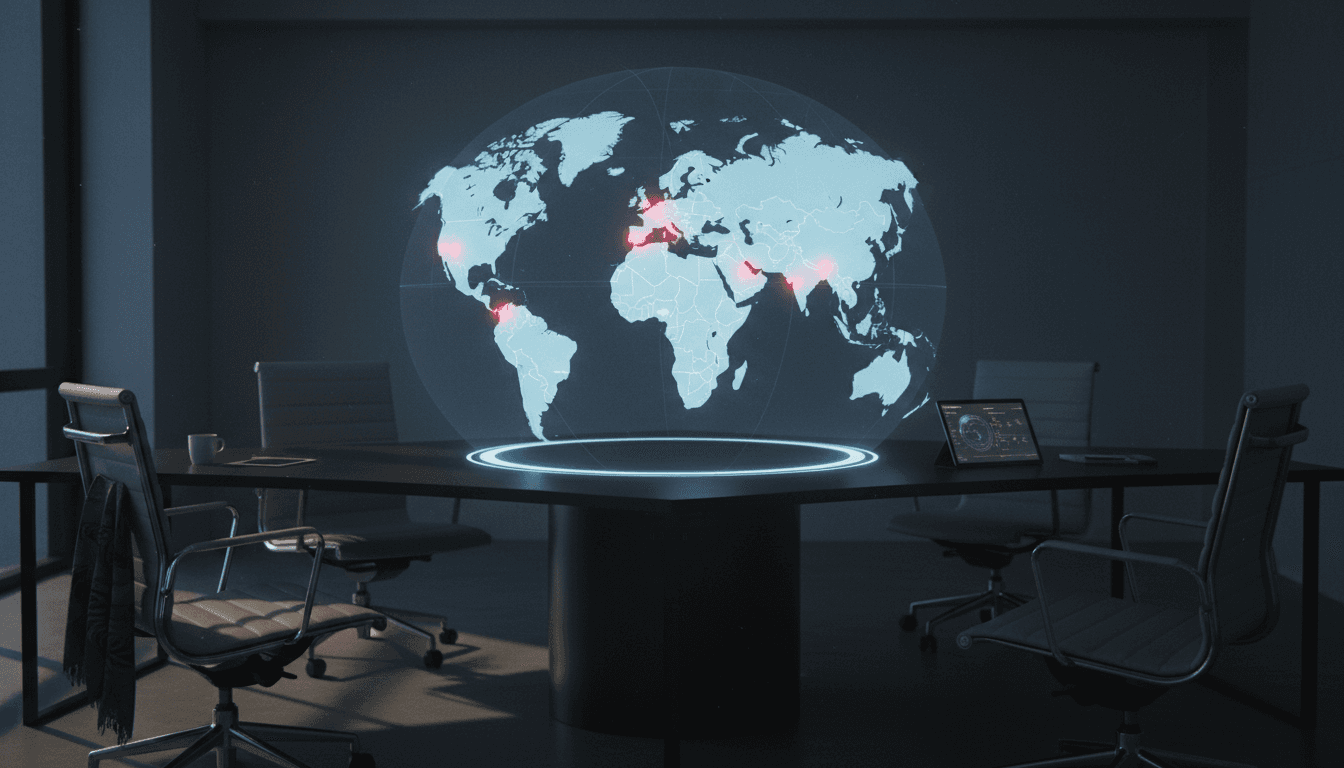
Global outbreak alerts have been issued for 19 countries following the emergence of various viruses and diseases, marking a significant moment for international health surveillance. As of Friday, May 1, 2026, health authorities are grappling with a complex web of emerging and re-emerging pathogens, prompting intensified monitoring and response efforts across multiple continents.
The Spreading Front: Viruses and Diseases
The latest report, published on May 1, 2026, highlights a concerning spread of various infectious agents impacting nearly two dozen nations. While specific diseases are not detailed in the available information, the sheer number of affected countries—19 in total—underscores the broad geographic scope of these health challenges. This widespread activity necessitates a coordinated global response, engaging organizations like the World Health Organization (WHO) and national public health bodies to prevent further escalation.
The nature of these outbreaks, ranging from novel viral strains to resurgent bacterial infections, poses unique challenges for public health infrastructure. Developing nations, often with more fragile healthcare systems, are particularly vulnerable, but the interconnectedness of global travel means no region is truly isolated. The proactive issuance of global outbreak alerts serves as a critical early warning system, aiming to mobilize resources and implement containment strategies before these situations become unmanageable.
Impact Analysis: Health & Wellness Landscape
The current wave of global outbreak alerts significantly impacts the broader health and wellness landscape. For individuals, it heightens awareness of personal hygiene, vaccination importance, and travel precautions. For businesses, particularly those in travel, hospitality, and global supply chains, it signals potential disruptions and a need for robust contingency planning. The financial markets often react to such news, with pharmaceutical and biotechnology companies potentially seeing increased interest in vaccine and treatment development, while industries reliant on free movement might face headwinds. This situation reinforces the ongoing importance of global health security initiatives and investment in pandemic preparedness.
“The sheer number of countries under global outbreak alerts underscores the persistent and evolving threat of infectious diseases, demanding agile and collaborative international responses.”
Moreover, the psychological toll of sustained health threats cannot be understated. Public anxiety, misinformation, and the erosion of trust in institutions can complicate containment efforts. Effective communication from health authorities is paramount to inform, reassure, and guide populations through periods of uncertainty, fostering compliance with public health measures.
Context and Background: A Recurring Challenge
The current situation, while concerning, is not without historical precedent. The 21st century has seen a regular cadence of global health crises, from SARS and MERS to Ebola and the recent COVID-19 pandemic. Each event has served as a stark reminder of the delicate balance between human activity and microbial ecosystems. These outbreaks often highlight vulnerabilities in international cooperation, data sharing, and equitable access to medical countermeasures. The lessons learned from past epidemics, particularly the need for rapid diagnostic development, vaccine distribution equity, and robust surveillance networks, are more relevant than ever. This ongoing struggle emphasizes that public health is an investment, not an expense, crucial for economic stability and societal well-being.
Industry trends in health and wellness have increasingly focused on preventive care, digital health solutions, and personalized medicine. However, large-scale infectious disease outbreaks pivot the focus back to foundational public health measures: surveillance, epidemiology, and rapid response. The current global outbreak alerts serve as a stress test for these systems.
What’s Next: Vigilance and Adaptation
Looking ahead, the immediate future will involve intensive monitoring by international health bodies and national governments. The WHO will likely continue to issue updated guidance, coordinate research efforts, and facilitate resource allocation to the affected 19 countries. Decisions regarding travel restrictions, enhanced screening protocols at borders, and public health campaigns will be critical. The development and rapid deployment of diagnostics, treatments, and potential vaccines for any novel pathogens will be a priority for pharmaceutical companies and research institutions. Furthermore, there will be an increased focus on strengthening healthcare infrastructure in vulnerable regions to better withstand future shocks. The global outbreak alerts signal a period of sustained vigilance and adaptation.
Key Takeaway: Interconnected Health Security
This widespread emergence of viruses and diseases across 19 countries underscores a fundamental truth: global health security is an interconnected endeavor. No nation can afford to be complacent, and the rapid spread of pathogens across borders necessitates robust international collaboration. The financial and human costs of inaction far outweigh the investment in proactive public health measures, surveillance, and rapid response mechanisms. As global trade and travel continue to expand, so too does the potential for rapid disease dissemination, making sustained investment in public health infrastructure and international partnerships not just an option, but an imperative for global stability and prosperity. This latest series of global outbreak alerts serves as a powerful reminder of the continuous need for vigilance and cooperation in safeguarding collective health.