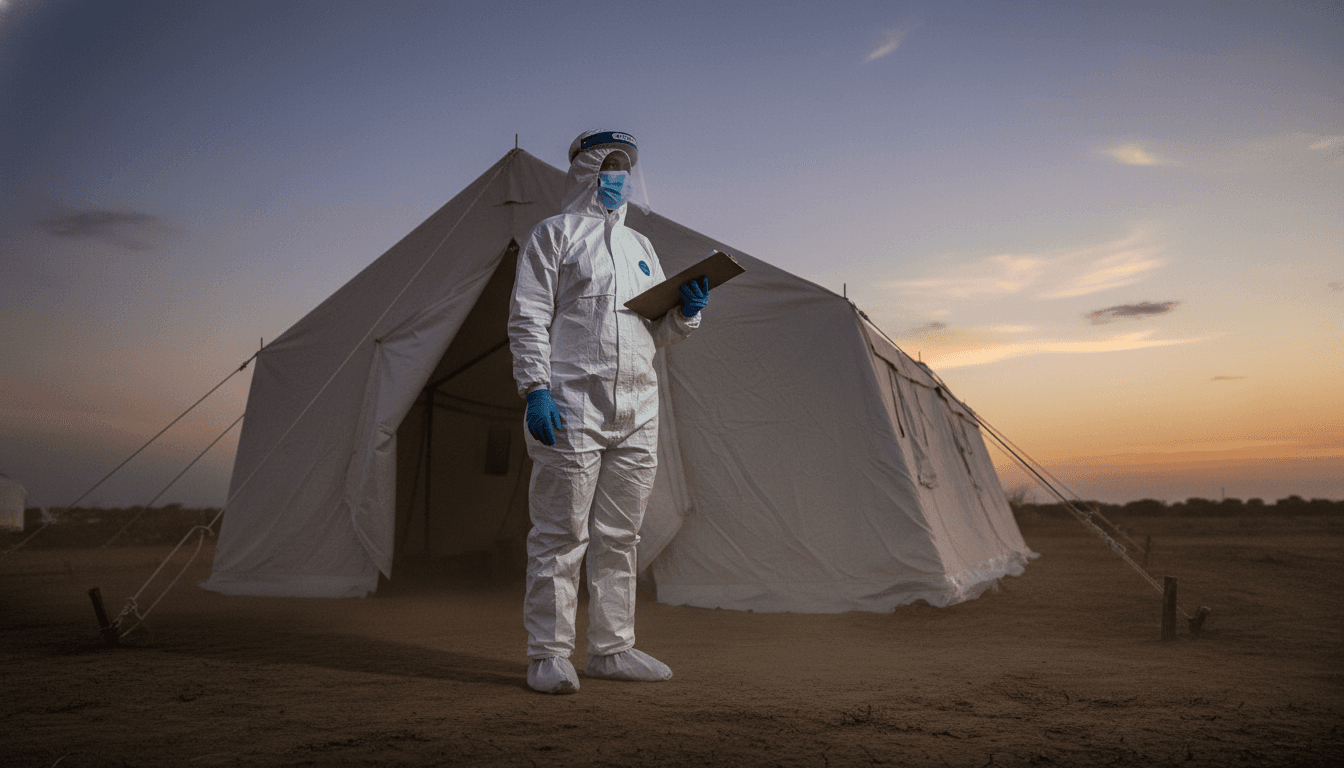
Ebola outbreaks trigger global health emergency and US travel warnings, escalating concerns across continents as health authorities grapple with the rapid spread of the deadly virus. The unfolding situation in Africa has prompted a significant response from international organizations and national governments, underscoring the persistent threat of infectious diseases in an interconnected world. The immediacy of the crisis, reported on Tuesday, May 19, 2026, highlights the fragility of global health security and the imperative for swift, coordinated action.
The Story Unfolds: A Continent Under Threat
The current Ebola outbreaks have rapidly developed into a global health emergency, with multiple African nations reporting new cases. While specific locations and numbers remain under ongoing assessment, the collective impact has been severe enough to warrant official declarations and advisories. The United States, in particular, has issued travel warnings, signaling a heightened level of concern regarding potential transmission beyond the African continent. This proactive measure aims to mitigate the risk of importing cases and to protect public health within its borders.
The World Health Organization (WHO) is understood to be heavily involved, coordinating efforts on the ground, deploying resources, and working with local health ministries to contain the spread. The challenges are multifaceted, encompassing not only medical intervention but also community engagement, safe burial practices, and robust surveillance systems. The scale of the current outbreaks suggests a complex epidemiological landscape, possibly involving multiple transmission chains across different regions.
Impact Analysis: Repercussions for Global Health & Wellness
The declaration of a global health emergency due to Ebola outbreaks carries significant implications for the broader health and wellness landscape. Economically, it can lead to disruptions in trade, travel, and tourism, impacting national GDPs and individual livelihoods. For businesses operating in affected regions, or those with global supply chains, the operational challenges can be substantial, necessitating contingency planning and risk assessment.
“The persistent threat of Ebola reminds us that health security is not a localized issue; it demands a global, unified front to protect populations and economies worldwide.”
From a public health perspective, the focus shifts to rapid diagnostics, vaccine deployment, and therapeutic interventions. Pharmaceutical companies and research institutions are likely intensifying efforts to develop and distribute effective tools to combat the virus. Furthermore, the psychological toll on communities directly affected, and the wider public’s anxiety over potential global spread, are critical aspects of the wellness impact. Mental health support and clear, consistent communication from health authorities become paramount during such crises.
Context & Background: A Recurring Challenge
Ebola virus disease (EVD) is not a new adversary. Since its discovery in 1976, Africa has seen numerous outbreaks, with the 2014-2016 West African epidemic being the largest and most devastating, claiming over 11,000 lives. That crisis spurred significant advancements in vaccine development and rapid response protocols, but also exposed critical gaps in global health infrastructure and preparedness. Subsequent, smaller outbreaks have continued to test these systems, demonstrating the virus’s unpredictable nature and its ability to re-emerge.
The current Ebola outbreaks trigger global health emergency declarations, echoing past experiences but also highlighting improvements in international coordination. Lessons learned from previous epidemics, such as the importance of community trust, swift contact tracing, and robust public health messaging, are being applied. However, new challenges, potentially including geopolitical instability or concurrent health crises, could complicate response efforts.
What’s Next: Vigilance and Innovation
Looking ahead, the immediate future will involve intensified efforts to contain the current Ebola outbreaks. This includes scaling up vaccination campaigns where available, strengthening surveillance to identify new cases quickly, and ensuring adequate resources for treatment and isolation facilities. International cooperation will be key, with financial aid, medical personnel, and logistical support flowing to the most affected areas. The US travel warnings are likely to remain in place, or even expand, depending on the trajectory of the outbreaks.
In the longer term, the focus will broaden to enhancing pandemic preparedness capabilities globally. This includes investments in local health infrastructure, training for healthcare workers, and fostering cross-border collaboration on disease surveillance. The current situation serves as a stark reminder of the ongoing need for research into novel antiviral treatments and more accessible, heat-stable vaccines. The financial markets will also be closely watching, as a prolonged global health emergency could impact various sectors, from travel and hospitality to manufacturing and supply chains.
Key Takeaway: A Shared Responsibility
The declaration of a global health emergency due to the ongoing Ebola outbreaks underscores a fundamental truth: health is a shared global responsibility. The economic ramifications, the societal disruptions, and the human cost extend far beyond the immediate geographical epicenters. As the world navigates these current challenges, the imperative for sustained investment in public health, robust international partnerships, and proactive risk mitigation strategies becomes clearer than ever. The ability to effectively manage and contain these Ebola outbreaks will be a critical test of global solidarity and preparedness in an increasingly interconnected world.