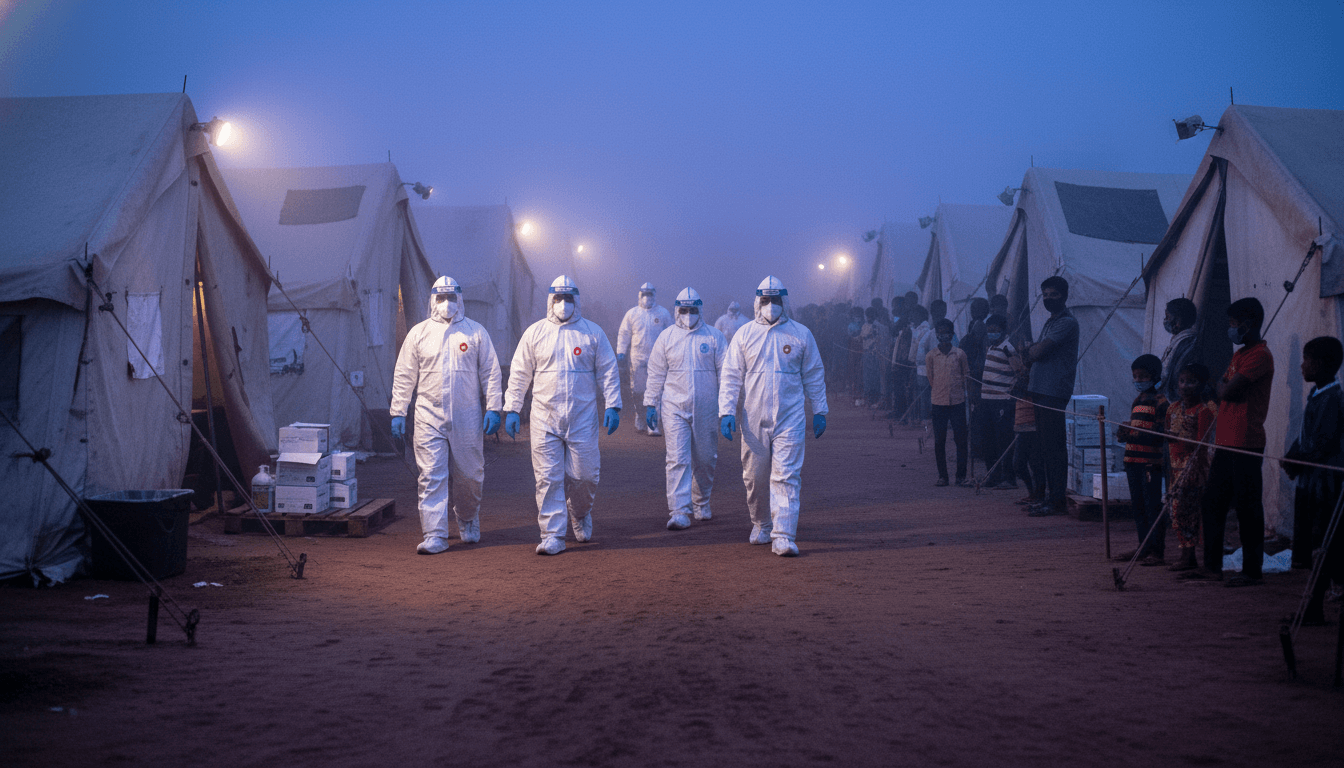
An Ebola outbreak 2026 has prompted Doctors Without Borders (MSF) to launch a critical response, as confirmed on Thursday, May 28, 2026. This latest emergence of the deadly virus underscores the persistent global health challenges and the vital role played by humanitarian organizations in mitigating widespread catastrophe. MSF’s rapid deployment highlights the ongoing need for robust surveillance, swift intervention, and sustained public health infrastructure in regions vulnerable to infectious disease outbreaks.
The Unfolding Crisis and MSF’s Immediate Response
The specific location and scale of the Ebola disease outbreak were not detailed in the initial report, but MSF’s involvement signals a significant public health event. Doctors Without Borders has a long and extensive history of responding to Ebola epidemics, often being among the first and most sustained presences on the ground. Their response typically involves a multi-faceted approach: establishing isolation and treatment centers, implementing infection prevention and control measures, conducting community outreach and health promotion, and providing psychological support to affected populations.
The date of the announcement, May 28, 2026, indicates the immediacy of the situation. Given Ebola’s high fatality rate and potential for rapid spread, early and decisive action is paramount. MSF’s operational model emphasizes flexibility and rapid deployment of medical teams, logistical support, and essential supplies to contain the virus and provide care to those infected. This proactive stance is crucial in preventing the outbreak from escalating into a larger, more unmanageable crisis.
Impact Analysis: Broader Health & Wellness Implications
The occurrence of an Ebola outbreak 2026 carries significant implications beyond the immediate affected communities. For the broader health and wellness landscape, it serves as a stark reminder of the interconnectedness of global health security. An uncontrolled outbreak can disrupt regional economies, strain national health systems, and create widespread fear and distrust, impacting mental health and social cohesion.
Furthermore, such events often expose vulnerabilities in global pandemic preparedness. While significant advancements have been made in vaccine development and treatment protocols for Ebola since previous outbreaks, the logistical challenges of deploying these resources to remote or conflict-affected areas remain substantial. The ongoing presence of humanitarian organizations like MSF acts as a critical safety net, filling gaps where national health systems may be overwhelmed or underdeveloped. This highlights the importance of sustained funding and support for these non-governmental actors.
“Every Ebola outbreak, regardless of its initial scale, demands an immediate and coordinated global response. It’s a test of our collective resilience and our commitment to health equity, particularly for vulnerable populations.”
Context & Background: A Persistent Threat
Ebola virus disease (EVD) has a notorious history, with major outbreaks occurring predominantly in sub-Saharan Africa. The devastating West African Ebola epidemic of 2014-2016, which claimed over 11,000 lives, brought global attention to the virus and spurred significant research into vaccines and therapeutics. Subsequent outbreaks, though often smaller in scale, have continued to test the resolve and capacity of international health organizations. These recurring events underscore that despite medical progress, factors such as weak health systems, population mobility, and community mistrust can complicate containment efforts.
The lessons learned from previous epidemics, including the importance of community engagement, safe burial practices, and transparent communication, are critical for MSF’s current response. Each new outbreak presents unique challenges, requiring tailored strategies that respect local customs while adhering to stringent public health protocols. The continuous cycles of emergency response also highlight the need for long-term investments in health infrastructure and local capacity building to prevent future resurgences.
What’s Next: Vigilance and Sustained Effort
Looking ahead, the immediate focus will be on containing this Ebola outbreak 2026. This involves aggressive contact tracing, isolation of suspected cases, and rapid deployment of medical and logistical resources. The international community will undoubtedly be watching closely, ready to offer support if the situation escalates. Beyond the immediate crisis, this event will likely reignite discussions around global health security funding, the equitable distribution of medical countermeasures, and the strengthening of early warning systems.
The long-term implications include further research into more effective and easier-to-administer vaccines and treatments, as well as strategies to build more resilient health systems in regions prone to such outbreaks. The role of organizations like MSF will remain indispensable in bridging the gap between national capabilities and the overwhelming demands of a severe public health crisis. Global health initiatives must continue to prioritize these endemic threats.
Key Takeaway: The Enduring Fight Against Ebola
The news of an Ebola outbreak in 2026, and MSF’s immediate response, serves as a powerful reminder that global health threats are persistent and require continuous vigilance and coordinated action. While medical science has made significant strides, the human and logistical challenges of combating highly infectious diseases in vulnerable settings remain immense. The dedication of organizations like Doctors Without Borders is not just about treating the sick; it is about protecting global health security and reinforcing the fundamental right to health for all, particularly when confronted with the devastating force of a disease like Ebola.