Groundbreaking CAR T-cell autoimmune breakthrough research is underway at Roswell Park Comprehensive Cancer Center, aiming to pivot patients with chronic autoimmune diseases from lifelong medication regimens to durable, drug-free remissions. This innovative approach, previously a game-changer in oncology, is now being adapted by physician scientists to target conditions like lupus, multiple sclerosis (MS), and rheumatoid arthritis, offering a new beacon of hope for millions.
Led by Dr. Alicia Lieberman, a rheumatologist and researcher specializing in cellular therapies for autoimmune disease at Roswell Park, the team is exploring how CAR T-cell therapy, which engineers a patient’s own immune cells to target and destroy cancerous cells, could similarly eliminate the problematic cells in autoimmune conditions. Dr. Lieberman, alongside Dr. Shernan Holtan, Chief of Blood and Marrow Transplant at Roswell Park, envisions a ‘one-and-done’ treatment model where a single infusion could re-educate the immune system to combat self-attack effectively within weeks.
CAR T-Cell Autoimmune Breakthrough: A New Paradigm
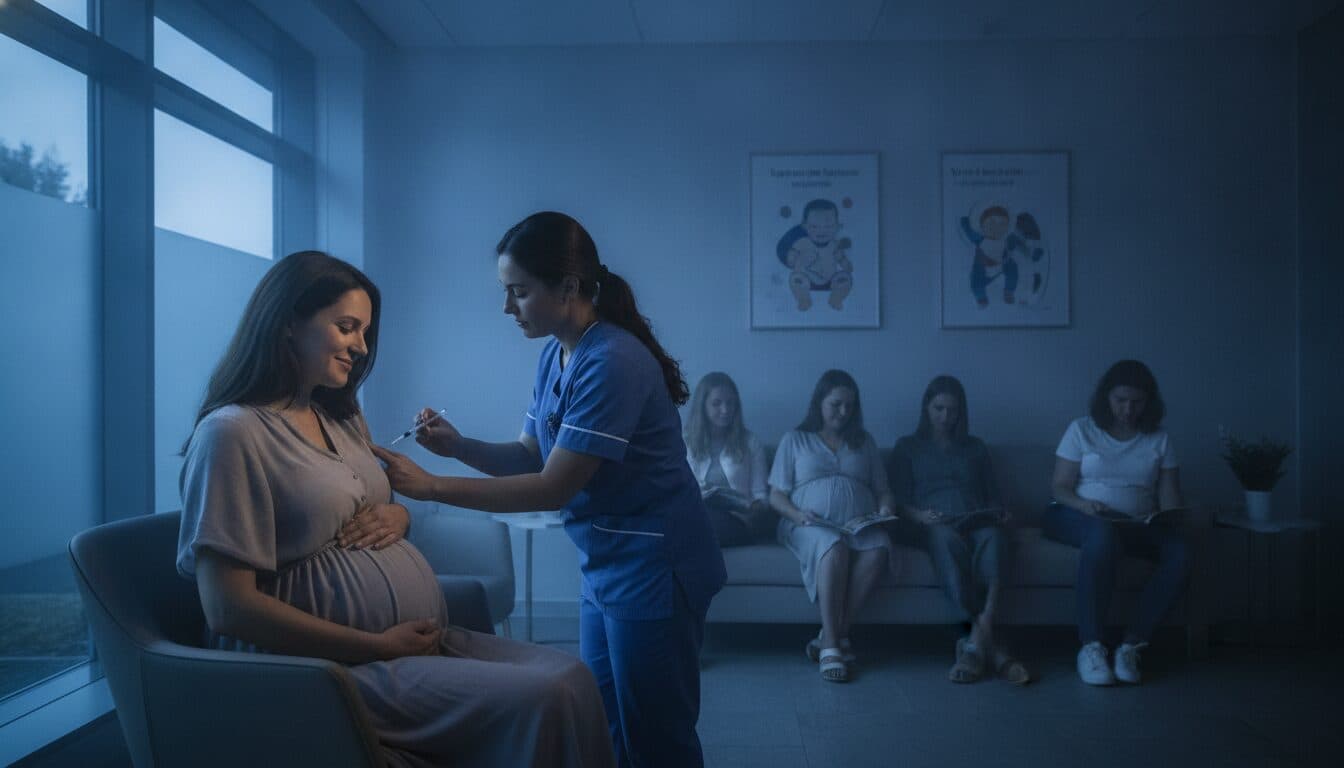
The potential for a CAR T-cell autoimmune breakthrough represents a significant shift from current management strategies. Autoimmune diseases, affecting nearly one in ten Americans according to the National Institutes of Health, are characterized by the body mistakenly attacking its own tissues. These conditions manifest with a wide array of debilitating symptoms, from inflammation and mobility issues to memory problems, typically requiring continuous medication to manage. The long-term vision is to achieve a functional cure, freeing patients from the burden of daily drug intake.
Denise Herkey-Jarosch, a 54-year-old Buffalo native diagnosed with MS at 24, embodies the struggle many patients face. “I still have permanent damage to different body parts that I have to still live with and manage,” she shares, highlighting the urgent need for more definitive treatments. The collaborative environment at Roswell Park, bringing together clinicians, patients, and researchers, is seen as crucial for advancing this vital research.
Impact Analysis
This research carries profound implications for the broader health and wellness landscape. If successful, CAR T-cell therapy could redefine the treatment paradigm for a host of autoimmune conditions. Dr. Lieberman’s current work focuses on systemic lupus, lupus nephritis, systemic sclerosis, and MS, while also investigating bone marrow transplants for MS and systemic sclerosis. Future studies aim to extend CAR T-cell therapy to rheumatoid arthritis, myositis, Sjogren’s disease, and even pediatric autoimmune diseases. The early signals of potential damage reversal and function restoration, particularly in the nervous system, are exceptionally promising.
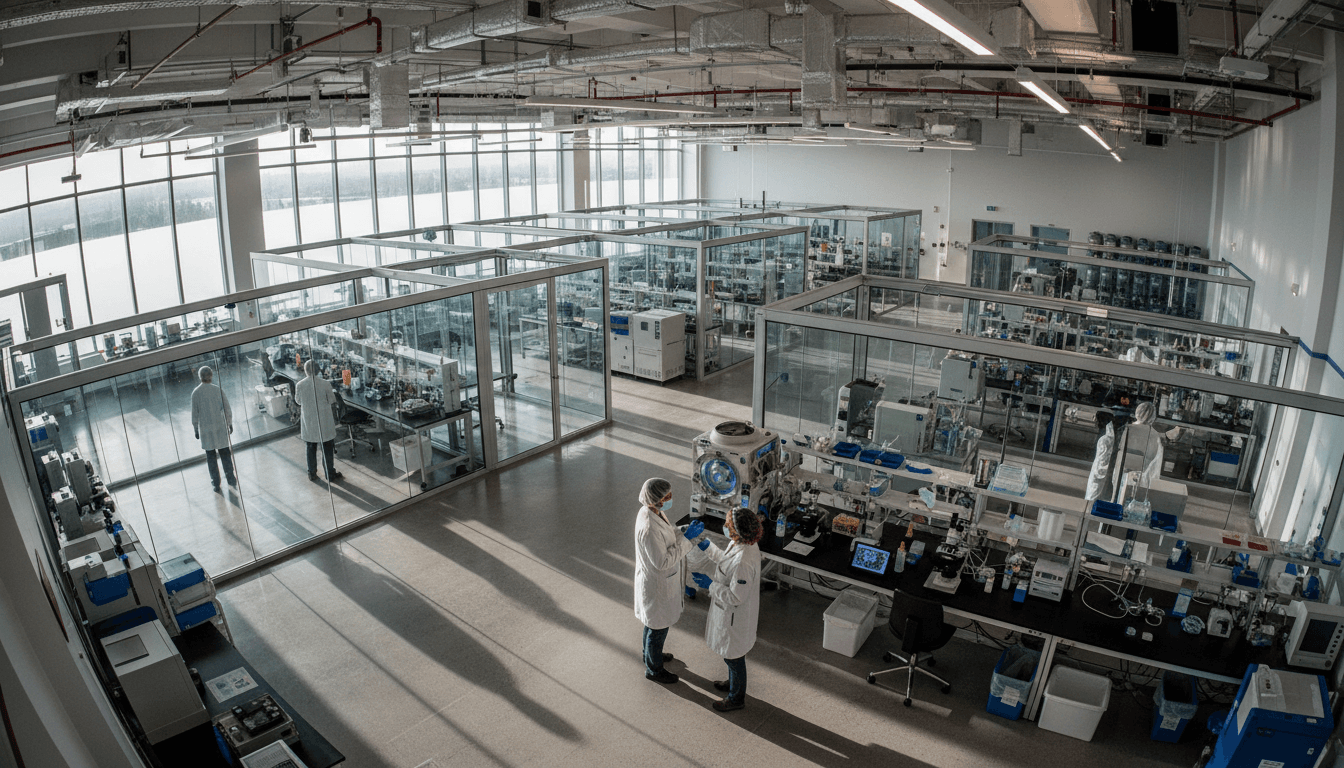
The core mechanism involves engineering T cells to target and eliminate B cells, which express markers similar to those found in certain cancers and are implicated in the development and progression of many autoimmune conditions. By removing these ‘over-activated’ B cells, the therapy aims to ‘reset’ the immune system. This intricate process is conducted at Roswell Park’s Good Manufacturing Practice Engineering & Cell Manufacturing Facility (GEM), one of the largest of its kind in the United States, equipped with 20 sterile clean rooms.
“It’s time for a new revolution. We’re rethinking our approach to be able to offer an effective and safe immune reset.”
The promise of a ‘one-and-done’ treatment could dramatically improve quality of life for millions, reducing reliance on chronic medications that often come with significant side effects and financial burdens. This could lead to a substantial shift in how healthcare systems manage chronic autoimmune conditions, potentially lowering long-term costs and improving patient outcomes globally. For more information on related health & wellness articles, readers can explore our extensive coverage.
What’s Next for Cellular Therapies
The immediate future involves ongoing clinical trials at Roswell Park, exploring both standard-of-care options like stem cell transplants and investigational CAR T-cell therapies. The success of these trials will be critical in determining the broader applicability and regulatory approval pathways for these treatments. If initial findings continue to be positive, we could see expanded trials encompassing a wider range of autoimmune diseases and patient demographics. The collaboration between different medical disciplines, such as rheumatology and blood and marrow transplant, is pivotal for accelerating this research.
The long-term implications are transformative. Imagine a future where a diagnosis of lupus or MS no longer means a lifetime of medication and progressive damage, but rather the possibility of a durable remission. This research at Roswell Park is not just about treating symptoms; it’s about fundamentally altering the disease course and offering a genuine chance at a cure. This could also spur further investment and innovation in cellular therapies for other chronic conditions, creating a ripple effect across medical science.
Key Takeaway
The work at Roswell Park Comprehensive Cancer Center to adapt CAR T-cell therapy from a cancer breakthrough to a potential cure for autoimmune diseases marks a profound moment in medical research. By aiming to shift patients from continuous medication to drug-free remissions, this pioneering effort offers a new paradigm for managing chronic conditions. The collaboration, the advanced facilities, and the audacious goal of an ‘immune reset’ underscore a future where autoimmune diseases may no longer be lifelong battles, but rather conditions that can be effectively and perhaps permanently overcome. This represents not just a scientific advancement, but a significant leap forward in human health and well-being, promising a brighter future for millions.