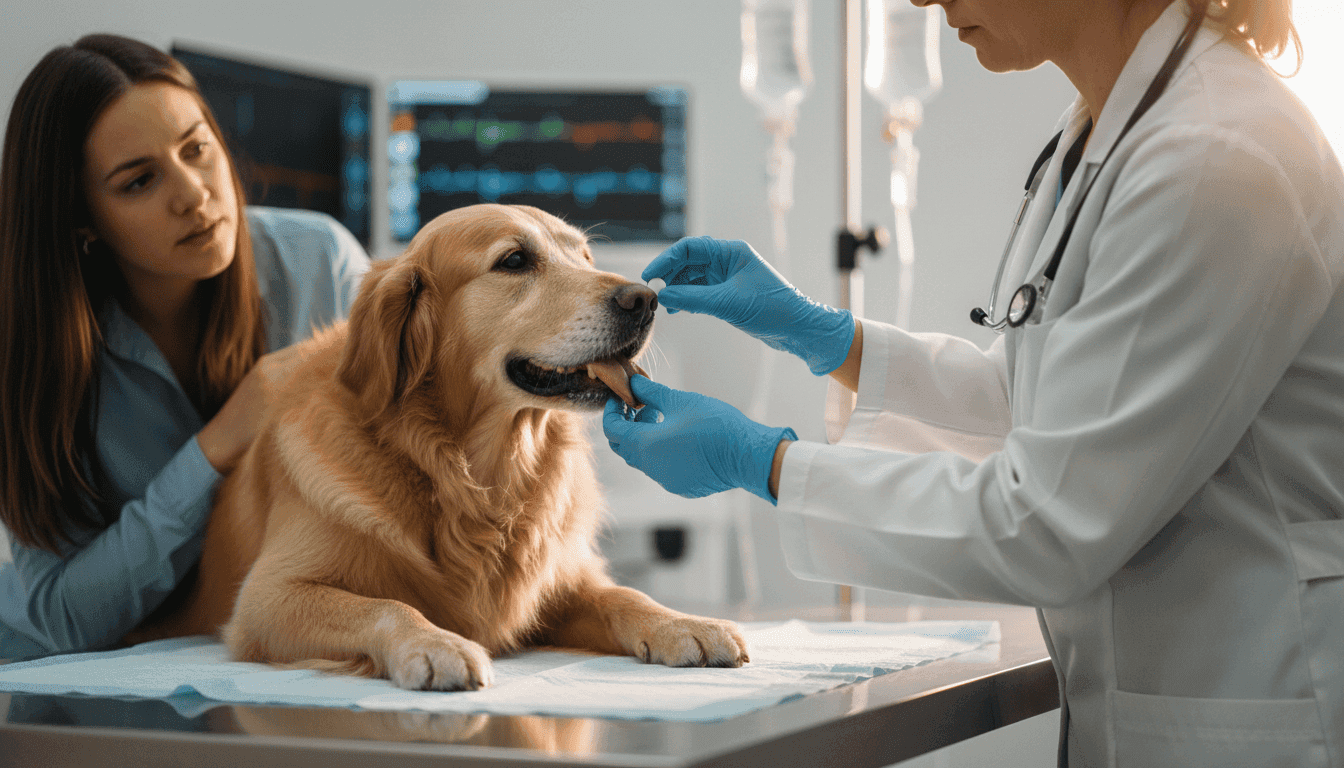
A landmark trial completion for canine CID treatment has been announced by Jaguar Health, Inc., signaling a significant step towards full FDA approval for crofelemer (Canalevia-CA1) in managing chemotherapy-induced diarrhea (CID) in dogs. The company revealed on April 8, 2026, that it has successfully concluded its effectiveness study, a critical requirement for moving beyond the current conditional approval status, which is set to expire on December 21, 2026.
This development is particularly relevant given the high incidence of cancer in dogs, with an estimated 6 million new diagnoses annually in the U.S. Chemotherapy, a rapidly growing treatment in veterinary oncology, often leads to debilitating side effects like CID, which can disrupt treatment plans and diminish the quality of life for canine patients. Jaguar’s crofelemer, a non-antibiotic, plant-derived medication, offers a targeted approach to this pervasive issue.
Impact Analysis
The successful completion of this effectiveness trial carries substantial implications for veterinary medicine and the broader animal health and wellness sector. With an estimated 90 million dogs in the U.S. in 2025, and over 11 million suffering from general diarrhea annually, the market for effective gastrointestinal treatments is vast. For canine cancer patients, managing CID is not merely about comfort; it is crucial for maintaining adherence to life-saving chemotherapy regimens. Veterinarians have consistently reported that CID interferes with treatment, highlighting a significant unmet need that crofelemer aims to address.
The drug’s non-antibiotic nature is also a critical factor in today’s health landscape, where concerns about antibiotic resistance are paramount. By offering an alternative, Canalevia-CA1 supports responsible antimicrobial stewardship, a growing priority in both human and animal healthcare. The anticipated full FDA approval would solidify crofelemer’s position as a vital tool for veterinary oncologists.
“We’re very pleased that enrollment has concluded for this study, which is being undertaken at veterinary oncology clinics around the US. The FDA granted renewal of the conditional approval for Canalevia-CA1 for a fifth and final year, through December 21, 2026, for the treatment of CID in dogs. In order to receive a full veterinary drug approval for the indication of CID beyond Dec. 21, 2026, Jaguar must complete and file a successful effectiveness study,” said Dr. Michael Guy, D.V.M., M.S., Ph.D., Jaguar’s Vice President of Preclinical and Nonclinical Studies.
Context & Background
Canalevia-CA1, or crofelemer delayed-release tablets, has been operating under conditional FDA approval since December 21, 2021, specifically for the treatment of CID in dogs. This conditional status allowed the drug to be used while Jaguar Health worked towards providing the comprehensive effectiveness data required for full approval. The current conditional approval was renewed for a fifth and final year, underscoring the urgency and importance of this recently completed trial.
Beyond the primary effectiveness trial, Jaguar Health also highlighted positive results from a separate 28-day study of crofelemer for cancer therapy-induced diarrhea (CTD) in dogs receiving neratinib, a targeted tyrosine kinase inhibitor (TKI) chemotherapy agent. This study, published in PLOS ONE in January 2024, demonstrated a statistically significant 30% reduction in the incidence and severity of diarrhea in participating dogs. These findings, initially presented at the American Association for Cancer Research Virtual Annual Meeting II in June 2020, provide additional scientific rationale for crofelemer’s efficacy against various forms of chemotherapy-induced gastrointestinal distress, further strengthening the case for its broad application.
What’s Next for Canine CID Treatment
The immediate next step for Jaguar Health is the submission of the results from its completed effectiveness study to the FDA. This filing, planned for the second quarter of 2026, will also include the positive data from the neratinib study. The culmination of these efforts aims to secure a full veterinary drug approval for crofelemer for the indication of CID, allowing its continued use beyond the December 21, 2026, expiration of its conditional approval.
Should full approval be granted, it would not only validate Jaguar’s extensive research and development but also provide veterinary oncologists with a long-term, FDA-approved solution for a prevalent and challenging side effect of canine cancer treatment. This could pave the way for broader adoption and better management of chemotherapy side effects, ultimately improving patient outcomes and quality of life for dogs undergoing cancer therapy. The potential for human drug parallels, given that many canine cancer treatments mirror human therapies, also suggests broader implications for future research in gastrointestinal distress management. For more insights into advancements in animal health, explore our related health & wellness articles.
Key Takeaway
The completion of Jaguar Health’s effectiveness trial for crofelemer marks a pivotal moment in the fight against chemotherapy-induced diarrhea in dogs. It underscores the growing focus on specialized veterinary care and the commitment to improving the lives of companion animals undergoing intensive medical treatments. The prospect of full FDA approval for this non-antibiotic solution not only addresses a critical unmet need but also sets a precedent for advanced, targeted therapies in animal health, reflecting a broader trend towards sophisticated wellness solutions for pets.