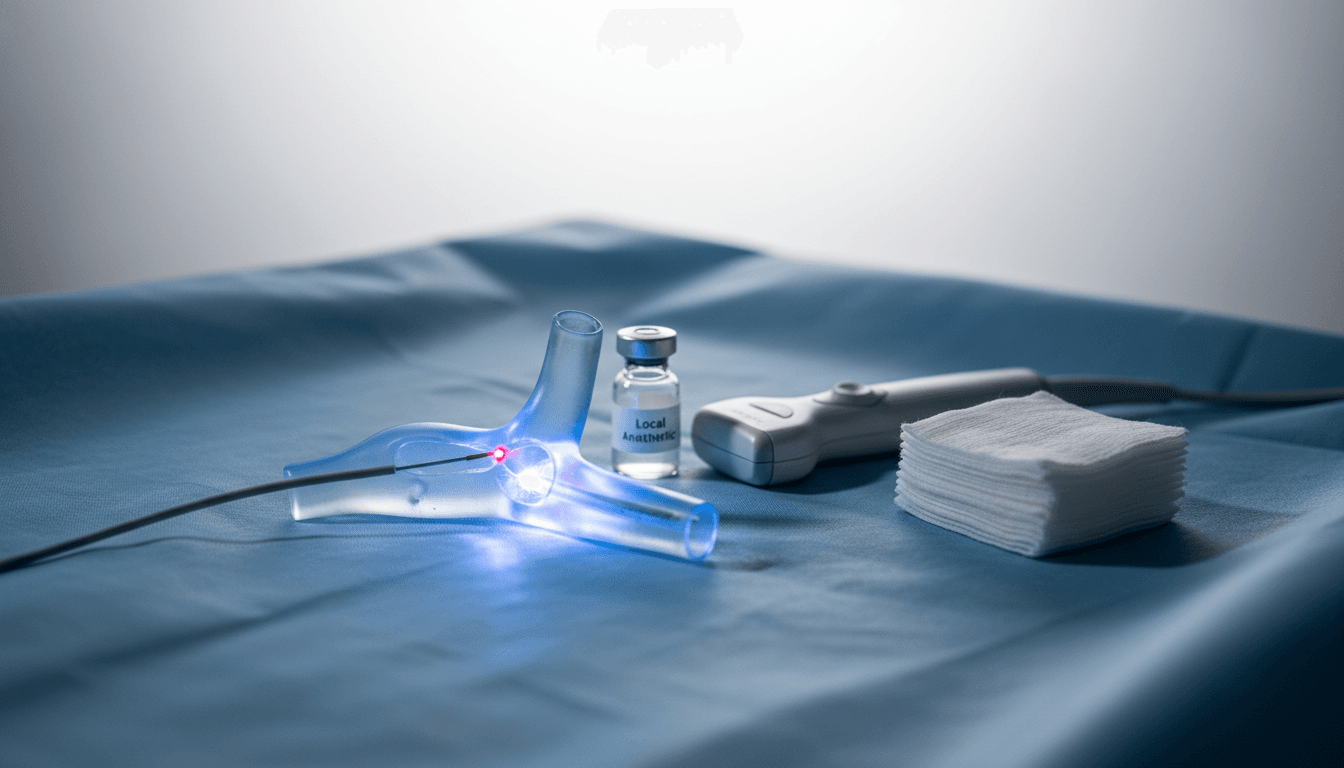
Advancements in minimally invasive vein procedures are fundamentally reshaping the landscape of vascular care, offering millions worldwide safer and more efficient treatments for conditions like varicose veins and chronic venous insufficiency. A recent report from MedicalResearch.com, published on Tuesday, May 26, 2026, highlights how clinical research has been the driving force behind this transformation, moving vein treatment away from arduous traditional surgeries towards outpatient solutions with significantly reduced recovery times.
The Story: A Paradigm Shift in Vein Care
Vein disorders, affecting a substantial portion of the global population, have long been a source of discomfort, swelling, and reduced quality of life. Historically, treatment for conditions such as varicose veins involved invasive surgical vein stripping, a procedure necessitating general anesthesia, large incisions, and extended periods of recovery. However, the last two decades have witnessed a profound shift, largely thanks to dedicated clinical research. Today, modern techniques are not only safer and more efficient but also remarkably less disruptive for patients.
The core of vein disease lies in weakened or damaged valves within veins, particularly in the legs, which impede blood flow back to the heart. This leads to blood pooling, manifesting as varicose veins and other symptoms. While often initially dismissed as cosmetic, untreated vein disease can escalate to serious complications. Clinical research has underscored the critical importance of early diagnosis and timely intervention to improve circulation and prevent long-term vascular problems, thereby encouraging widespread adoption of less invasive treatment options.
Impact Analysis: Redefining Patient Experience and Outcomes
The move towards minimally invasive vein procedures marks a significant improvement in patient experience. Instead of hospital stays and lengthy recuperation, patients now benefit from outpatient treatments performed under local anesthesia, allowing for minimal interruption to daily life. This innovation directly addresses concerns about pain, bruising, and downtime previously associated with traditional surgery.
Key among these advancements is endovenous laser therapy, which utilizes targeted laser energy to close damaged veins, redirecting blood flow to healthier vessels. Clinical studies demonstrate high success rates, with patients experiencing reduced pain and accelerated recovery. Similarly, radiofrequency ablation employs thermal energy from radiofrequency waves to seal veins, offering favorable outcomes with less post-procedure discomfort. Foam sclerotherapy provides another non-surgical solution, where a specialized foam solution injected into the vein causes it to collapse, with the body naturally rerouting blood. These procedures, refined through rigorous clinical trials, have consistently proven their effectiveness and safety.
“Clinical advances in minimally invasive treatment have significantly improved outcomes for patients managing chronic venous conditions, affecting up to 35% of people in the United States,” according to the National Heart, Lung, and Blood Institute.
Diagnostic imaging has also played a crucial role. Duplex ultrasound technology provides real-time, non-invasive assessment of blood flow and vein dysfunction, enabling physicians to precisely target affected veins. This accuracy not only reduces complications but also enhances long-term results, leading to more personalized treatment plans tailored to individual patient needs, reflecting a broader trend towards patient-centered care in healthcare. For a deeper dive into how technology is reshaping healthcare interactions, explore related health & wellness articles.
Context & Background: A Journey of Innovation
The evolution of vein care is a testament to the power of sustained clinical research and technological innovation. Researchers have spent years meticulously studying blood flow dynamics, vascular anatomy, and the long-term efficacy of emerging treatments. This scientific rigor has not only identified optimal techniques but also contributed to the development of sophisticated medical devices, including improved ultrasound guidance and advanced catheter and laser systems.
The evidence gathered through extensive clinical trials has built confidence in these minimally invasive approaches, leading to their broader integration into healthcare systems globally. This transition represents a conscious effort by the medical community to move away from procedures that, while effective, imposed considerable burdens on patients, towards more refined and efficient solutions.
What’s Next: The Horizon of Vein Care
The future of vein care promises even greater advancements. Emerging technologies such as artificial intelligence, robotic-assisted procedures, and enhanced imaging systems are poised to further elevate diagnostic accuracy and treatment precision. Researchers are also exploring regenerative medicine approaches and novel biomaterials aimed at supporting vein repair and long-term vascular health.
As these developments unfold, the accessibility and effectiveness of minimally invasive vein procedures are expected to continue improving. The ongoing collaboration between researchers, physicians, and healthcare technology developers will be instrumental in shaping the next generation of solutions, ensuring that vein care remains at the forefront of medical innovation.
Key Takeaway: The Fusion of Science and Compassion
The transformation of vein treatment, driven by advancements in minimally invasive vein procedures, exemplifies the profound impact of clinical research on real-world patient care. This evolution from invasive surgery to highly precise outpatient procedures prioritizes safety, comfort, and efficiency, offering patients faster recovery, reduced discomfort, and a significantly improved quality of life. For healthcare providers, it offers evidence-based tools that support better outcomes and more personalized care. This bridging of laboratory research with patient needs is creating a future where medical treatment is not only more effective but also more compassionate and accessible.