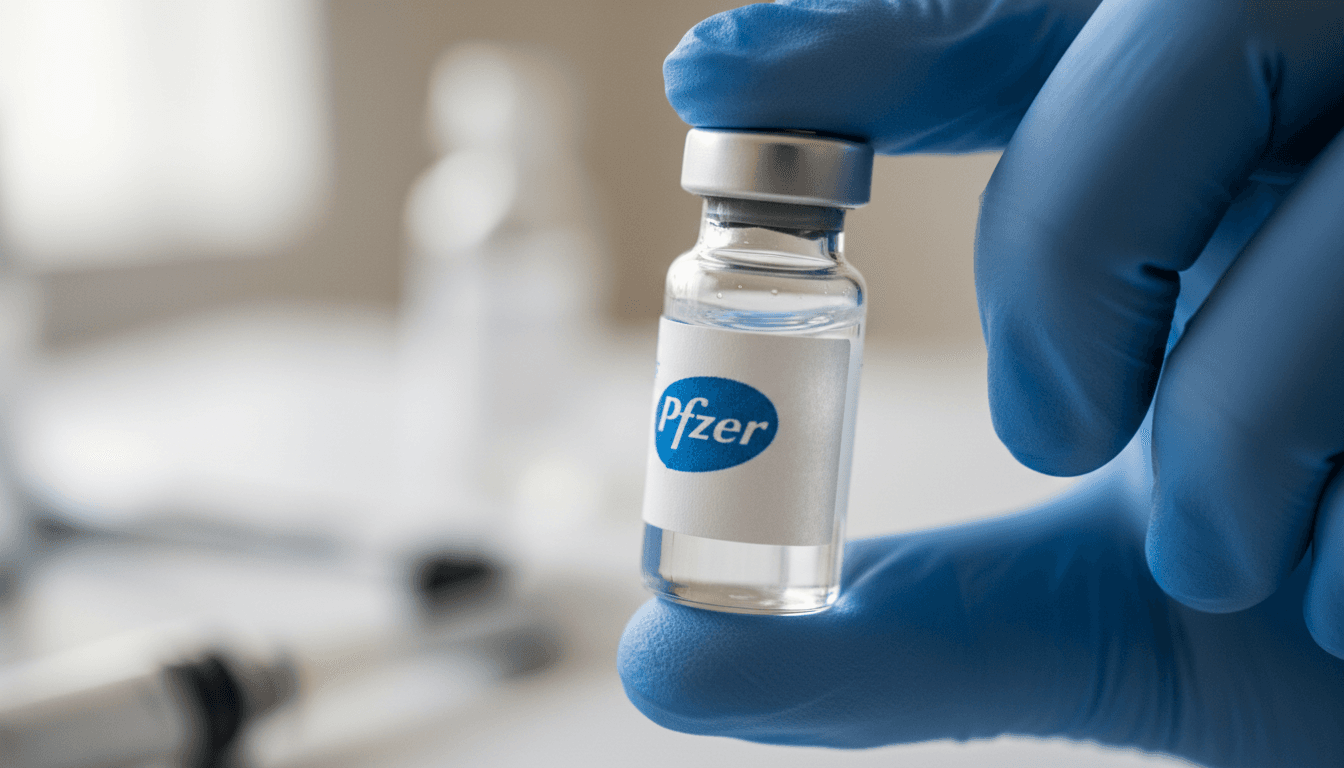
A landmark Lyme disease vaccine is now seeking FDA approval, a development that could dramatically reshape the public health landscape for a tick-borne illness that has long plagued communities across the United States. Pfizer, the pharmaceutical giant, is spearheading this effort, aiming to bring a new preventative measure to market against Lyme disease, as reported on Thursday, April 16, 2026, by NBC Connecticut. This move signals a significant step forward in the ongoing battle against a disease that can cause debilitating symptoms if left untreated.
The Story: Pfizer’s Bid for Approval
The core of this story revolves around Pfizer’s ambitious push to secure FDA approval for its new vaccine targeting Lyme disease. While specific details about the vaccine’s mechanism or trial phases were not elaborated upon in the initial report, the mere fact that a major pharmaceutical company is at this stage indicates substantial progress in research and development. The quest for an effective Lyme disease vaccine has been a protracted one, marked by previous attempts and withdrawals, making Pfizer’s current endeavor particularly noteworthy. This potential vaccine offers a glimmer of hope to millions living in endemic areas, where the risk of tick bites and subsequent infection is a constant concern.
Impact Analysis
The potential approval of a new Lyme disease vaccine would have a profound impact on the broader health and wellness landscape. For individuals, it offers a proactive defense against a disease that can lead to chronic fatigue, joint pain, neurological issues, and heart problems. For healthcare systems, it could reduce the burden of diagnosis and treatment, freeing up resources and potentially lowering long-term healthcare costs. Public health initiatives could pivot from purely reactive measures, such as tick removal and antibiotic treatment, to a more preventative strategy. Furthermore, the availability of such a vaccine could empower people to engage more freely in outdoor activities without the pervasive fear of contracting Lyme disease, thereby enhancing overall quality of life. This development could also stimulate further investment in preventative health solutions for other vector-borne diseases.
“The pursuit of an effective Lyme disease vaccine has been a long and challenging journey, and Pfizer’s current submission marks a critical juncture in this public health endeavor.”
Beyond individual health, the economic implications are also significant. Regions heavily affected by Lyme disease, often those with robust outdoor tourism and recreation sectors, could see a boost as concerns about the disease diminish. The agricultural sector, where workers are frequently exposed to ticks, could also benefit from a healthier workforce. This landmark Lyme disease vaccine could therefore be a significant economic as well as a health boon.
Context & Background: The Long Shadow of Lyme
Lyme disease, caused by the bacterium Borrelia burgdorferi and transmitted through the bite of infected ticks, has been a growing public health challenge for decades. Named after Lyme, Connecticut, where it was first identified in the 1970s, the disease has spread to many parts of the U.S. and globally. Previous attempts to develop a vaccine, such as LYMErix in the late 1990s, faced challenges related to efficacy, side effects, and public perception, leading to its withdrawal from the market. This history underscores the complexities and high stakes involved in bringing a new Lyme disease vaccine to fruition. The current climate of increased awareness about infectious diseases, partly fueled by recent global health crises, may create a more receptive environment for a new preventative measure. There’s also a growing trend in biotechnology and vaccine development, pushing the boundaries of what’s possible in disease prevention.
What’s Next: Awaiting the Verdict
The immediate next step is the FDA’s rigorous review process. This will involve an in-depth examination of Pfizer’s clinical trial data, manufacturing processes, and safety profiles. The timeline for such approvals can vary significantly, but given the public health importance of Lyme disease, there will undoubtedly be intense scrutiny and considerable public interest. Should the vaccine receive approval, the subsequent phase will involve manufacturing, distribution, and public health campaigns to ensure widespread adoption. Pricing, accessibility, and integration into existing healthcare protocols will also be key considerations. The success of this landmark Lyme disease vaccine will depend not only on its scientific merit but also on effective public health communication and logistical planning.
Key Takeaway: A New Era of Prevention
Pfizer’s pursuit of FDA approval for a new Lyme disease vaccine represents more than just a pharmaceutical product; it symbolizes a potential shift towards a new era of prevention for a persistent and debilitating illness. If successful, this vaccine could offer a powerful tool to protect individuals, alleviate strain on healthcare systems, and foster greater confidence in engaging with the natural environment. The financial and societal implications of mitigating a widespread disease like Lyme are immense, making this development a critical watch point for health and wellness stakeholders globally. The outcome of Pfizer’s application will be keenly observed, as it holds the promise of significant advancement in public health.