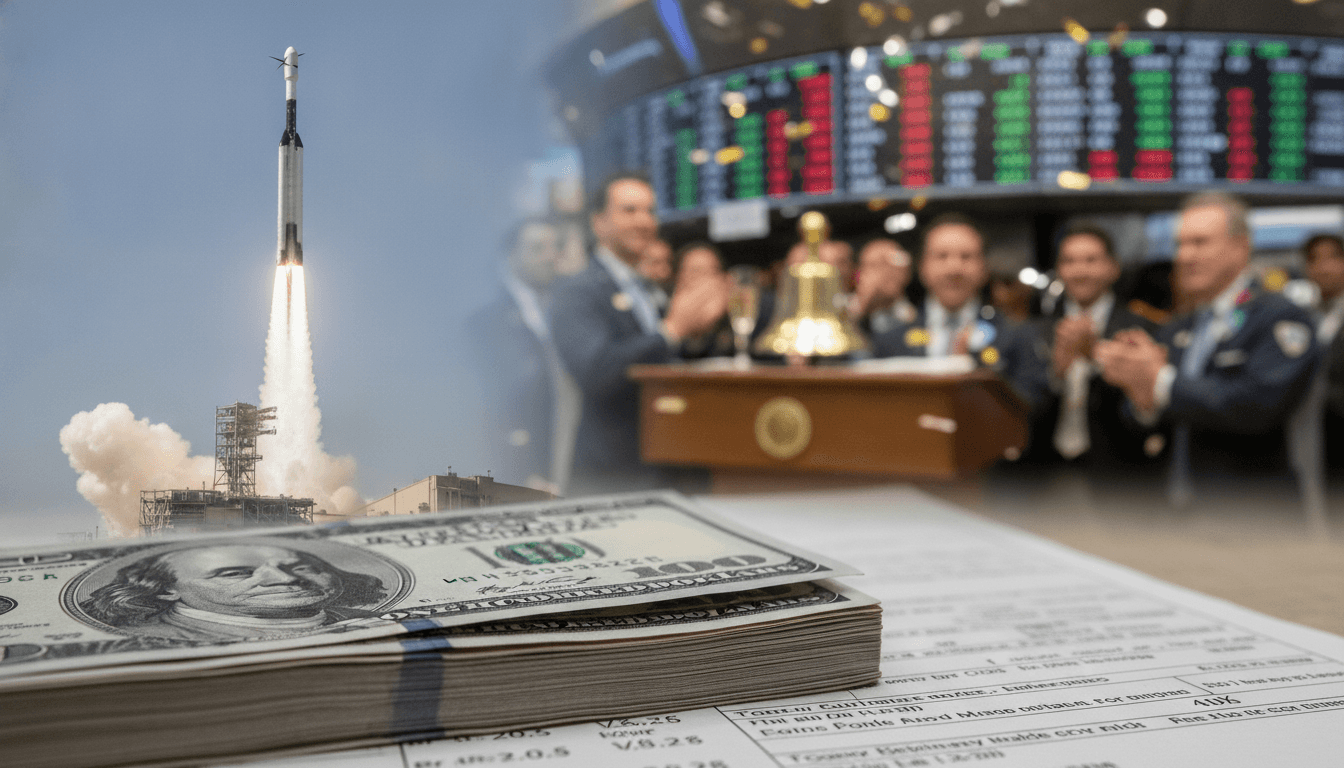
SpaceX IPO hype is generating significant buzz, but for investors nearing retirement, the fear of missing out (FOMO) on this historic offering could lead to severe financial setbacks. MarketWatch reports that the recent SpaceX IPO, valued at an unprecedented $1.75 trillion, has retail investors clamoring to buy shares, a dangerous trend for those with limited time to recover from potential losses.
The Illusion of Risk-Free Gains
When markets experience sustained growth, the inherent risks often fade from view. This phenomenon leads investors to measure their portfolios against the most aggressive opportunities, rather than their personal financial goals. For individuals over 50, this shift from calculated investing to emotion-driven decisions, particularly surrounding the SpaceX IPO hype, presents a significant “math problem” that could jeopardise decades of careful financial planning.
“A steep drop in the first few years of retirement, while you’re pulling money out to live on, can permanently cripple a portfolio even after the market recovers.”
Understanding Sequence of Returns Risk
One of the most critical, yet often overlooked, threats to retirement savings is sequence of returns risk. While still working and contributing, negative returns can be beneficial, allowing investors to buy assets at lower prices. However, once withdrawals begin in retirement, the order of returns becomes paramount. A significant market downturn early in retirement, coupled with ongoing withdrawals, can devastate a portfolio, making recovery difficult even if the market eventually rebounds. This isn’t theoretical; the dot-com bust of the early 2000s serves as a stark reminder of how three consecutive losing years can deplete a retirement fund for those who retired at the wrong time with an undiversified portfolio. Prudent investors consider related Finance news to diversify and mitigate such risks.
Evaluating the SpaceX Valuation and Structure
Despite the remarkable nature of SpaceX as a company, its IPO valuation raises significant questions for any investor, especially those with retirement on the horizon. The company debuted with a valuation of roughly 95 times annual sales, reporting a $4.9 billion net loss in 2025 against $18.7 billion in revenue. Furthermore, the deal’s structure, with only about a 3% initial free-float and a large portion routed to eager individual buyers, suggests a scenario where early insiders and institutions are cashing in. This isn’t a conspiracy, but rather a common mechanism for wealth transfer during highly anticipated IPOs, fueled by the very FOMO that is driving SpaceX IPO hype among retail investors.
It’s crucial to distinguish between a company’s potential and its suitability for your personal financial situation. While SpaceX might soar or crater, the uncertainty is a risk that investors in or near retirement simply cannot afford to take with essential funds. A significant dip in value, easily absorbed by a 30-year-old, can be catastrophic for someone relying on that capital for income within a few years.
Prioritise Protection Over Chasing Gains
The optimal time to reduce investment risk is during periods of market exuberance, not after a downturn has already inflicted damage. Discipline dictates trimming exposure when everyone else is celebrating. Investors who suffered in 2000 and 2008 were not necessarily foolish; they were often overly optimistic at precisely the wrong moment. Optimism, without a robust financial plan that accounts for potential losses, is merely exposure. If you’ve diligently built a strong and secure financial foundation over decades, your primary objective now should be preservation, ensuring that no single headline, no single IPO, and no “this time it’s different” narrative can erode your hard-earned wealth. The market will always offer another chance to feel like you’re missing out, but your retirement plan offers only one chance to avoid running out.