Global wildfire losses in 2025, a year described by researchers as remarkably ‘quiet’ for fires, exceeded the combined insured losses from hurricanes, floods, and earthquakes. This startling revelation comes from a new study published in Nature Reviews Earth and Environment, which found that wildfires accounted for 38% of all insured natural-hazard losses worldwide despite the total area burned being the second-lowest since record-keeping began in 2002.
The findings, widely discussed online, challenge conventional perceptions of wildfire impact. Matthew Jones, lead researcher at the Tyndall Centre for Climate Change Research at the University of East Anglia, highlighted this growing disconnect, stating,
“2025 shows that a ‘quiet’ fire year globally can still be devastating.”
The study underscores a critical shift: fewer acres burned globally did not translate to diminished risk or economic impact. Instead, fires demonstrated increased speed and intensity in densely populated areas, leading to catastrophic financial and human costs.
The Devastating Reality of Wildfire Losses
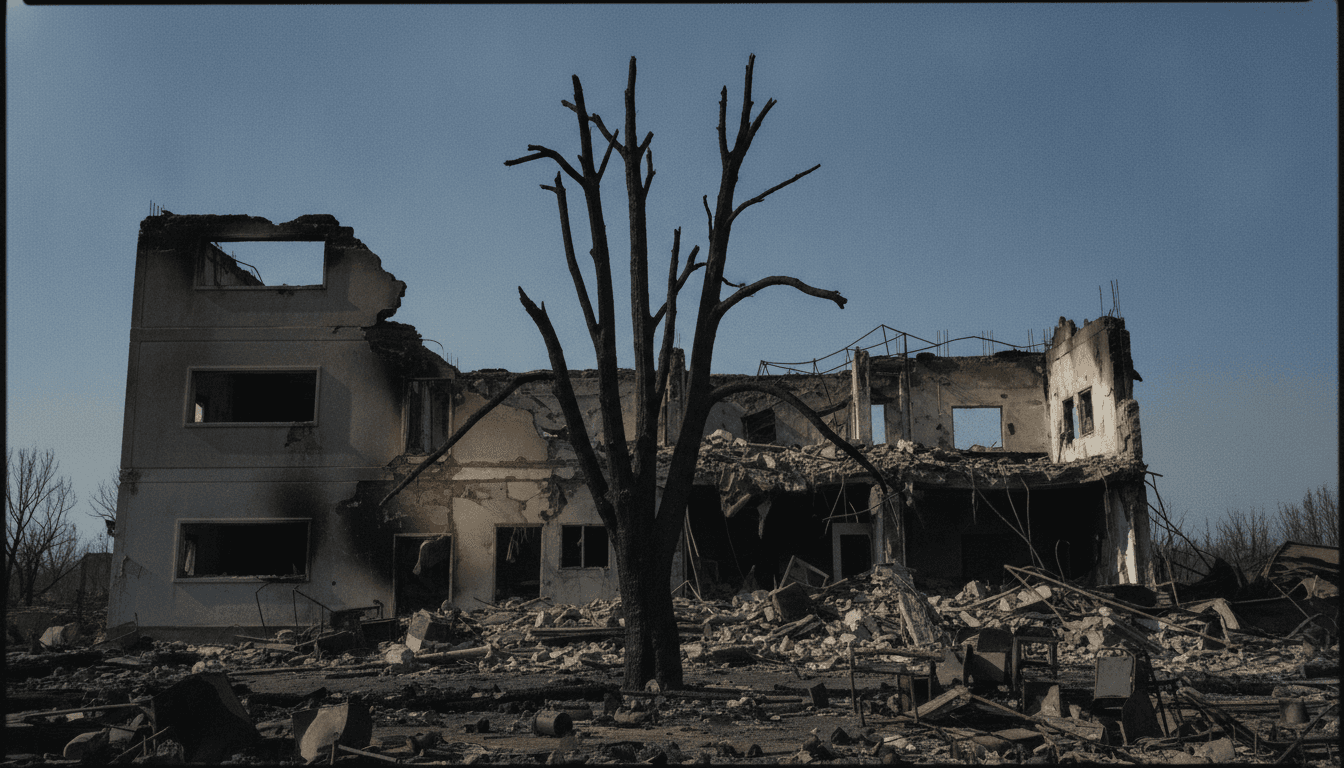
The year 2025 witnessed several highly destructive wildfire events that skewed the global loss figures. January’s Palisades and Eaton fires near Los Angeles emerged as the costliest single disaster. These fires tragically claimed 31 lives, obliterated nearly 12,000 homes, necessitated around 150,000 evacuations, and incurred an estimated $140 billion in losses. Following this, South Korea experienced its deadliest and most extensive wildfire outbreak on record. Europe was also hit hard, with deadly fires scorching Spain, Portugal, Greece, Turkey, Cyprus, and France.
Beyond immediate destruction, the wider consequences of these fast-moving fires are profound. They overwhelm emergency services, displace countless families, and burden communities with immense rebuilding costs. The human toll extends to public health, with over 10 million people reportedly exposed to dangerous fine particulate matter from smoke. Pollution levels in some affected areas reached nearly 20 times the World Health Organization’s daily guideline, posing severe risks for heart and respiratory conditions as these tiny particles can lodge deep in the lungs.
Broader Environmental and Economic Implications
This study points to a troubling pattern driven by climate change. Researchers indicate that escalating heat, prolonged droughts, and stronger winds are fueling more destructive fires, particularly in forests and developed areas. This trend persists even as savannah burning in Africa, which historically contributes significantly to global burned area totals, sees a decline. The result is a growing concentration of high-impact fires in vulnerable, populated regions.
Co-author Crystal Kolden emphasized the logistical challenges posed by simultaneous outbreaks, noting that they strain countries’ firefighting crews and equipment. “Future fire projections show these types of outbreaks will only increase,” she warned. This suggests an urgent need for enhanced international cooperation and resource sharing to combat the escalating threat.
The economic ramifications extend beyond insured losses, impacting local economies, supply chains, and long-term recovery efforts. The sheer scale of rebuilding after events like the Los Angeles fires demands substantial financial investment, often stretching public and private resources to their limits. The persistent threat of such events could also influence insurance markets, potentially leading to higher premiums or reduced coverage in high-risk zones, further burdening homeowners and businesses.
Strategies for a Fire-Resilient Future
The research clearly outlines a dual path forward for mitigating the growing threat of global wildfire losses. The primary recommendation is a significant reduction in planet-warming pollution, addressing the root cause of the intensifying fire conditions. Simultaneously, there is a critical need for substantial investment in fire-resilient infrastructure, which includes designing buildings and communities to better withstand fire impacts. This also encompasses comprehensive vegetation management strategies to reduce fuel loads and improve evacuation planning to protect lives and property.
The insights from 2025 serve as a stark reminder that a ‘quiet’ year in terms of total burned area can still represent an unprecedented economic and human catastrophe. As climate-driven factors continue to reshape fire dynamics, understanding the evolving nature of risk – where fire location, intensity, and exposure become paramount – is crucial for developing effective mitigation and adaptation strategies. The financial and societal costs demand immediate and concerted global action. Related environment & climate articles often highlight the interconnectedness of these challenges and the need for holistic solutions across policy, technology, and community engagement.