Renewable energy is undergoing major technology upgrades, signaling a pivotal moment for global decarbonization efforts and the future of sustainable power generation. This significant evolution, highlighted on Thursday, June 11, 2026, by International Banker, underscores a rapid acceleration in innovation across solar, wind, and other clean energy sectors, pushing efficiency, reliability, and cost-effectiveness to unprecedented levels.
The current advancements are not merely incremental; they represent a fundamental shift in how renewable resources are harnessed and integrated into existing grids. While the International Banker article does not detail specific companies or exact financial figures, the broad implication is a widespread industry transformation. This technological leap is expected to address long-standing challenges associated with intermittency and storage, making renewables a more consistent and dominant force in the global energy mix. For instance, enhancements in battery storage technologies, smart grid integration, and advanced materials for turbine blades and solar panels are collectively contributing to this paradigm shift.
Impact Analysis
The impact of these major technology upgrades on the broader environment and climate landscape is profound. Increased efficiency in renewable energy generation means less land use per unit of electricity produced, mitigating potential ecological footprints. Furthermore, improved reliability and grid integration capabilities reduce the reliance on fossil fuel ‘peaker plants,’ which are often brought online during periods of high demand or low renewable output. This directly translates to fewer greenhouse gas emissions and improved air quality, particularly in urban areas.
From a climate perspective, the accelerated adoption of advanced renewable technologies is critical for meeting ambitious global emissions reduction targets. The Intergovernmental Panel on Climate Change (IPCC) consistently emphasizes the need for rapid deployment of clean energy solutions to avert the most catastrophic impacts of climate change. These upgrades make such deployment more economically viable and technically feasible, offering a clearer pathway towards net-zero economies. The competitive edge gained through these innovations also positions renewable energy as an increasingly attractive investment, drawing capital away from carbon-intensive industries. For more on the economic shifts in the sector, see our analysis of green finance trends.
“The current wave of innovation in renewable energy is not just about producing more power; it’s about producing smarter, more resilient, and more integrated clean energy solutions that can truly displace fossil fuels at scale.”
Context & Background
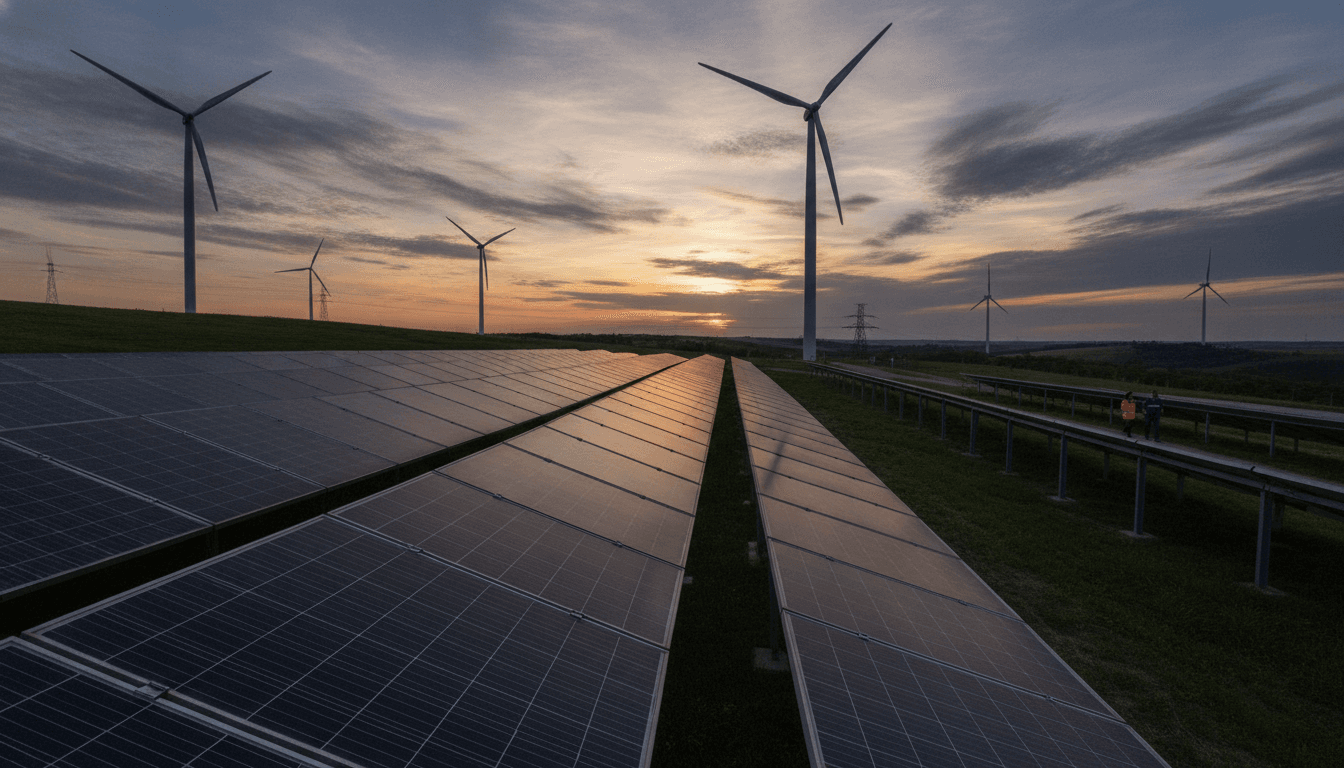
The journey towards these major technology upgrades has been decades in the making. Early renewable energy technologies, while pioneering, often faced limitations in efficiency, cost, and scalability. Solar panels, for instance, have seen their efficiency rates climb steadily from single digits to over 20% for commercial panels, with laboratory records even higher. Wind turbine designs have evolved from small, rudimentary structures to massive, multi-megawatt units capable of capturing energy more effectively from varying wind speeds, both onshore and offshore. The past decade, in particular, has seen significant investment in research and development, driven by global climate commitments and the declining cost of renewable energy components.
Previously, intermittency was a significant hurdle, requiring fossil fuel backup or extensive grid overhauls. However, advancements in energy storage, particularly lithium-ion batteries and emerging technologies like solid-state batteries and flow batteries, are rapidly changing this dynamic. Coupled with sophisticated AI-driven predictive analytics for weather patterns and energy demand, these technologies allow for more stable and predictable power delivery from renewable sources. This trajectory aligns with a broader industry trend towards decentralization and digitalization of energy grids, moving away from large, centralized power plants.
What’s Next
Looking ahead, the implications of these major technology upgrades are far-reaching. We can anticipate accelerated deployment of next-generation solar panels with higher efficiencies and lower manufacturing costs, potentially even integrating into building materials. Wind energy will likely see continued growth in offshore projects, leveraging larger turbines and floating platform technologies to access deeper waters and stronger, more consistent winds. The integration of artificial intelligence and machine learning will become even more pervasive, optimizing everything from energy production forecasting to grid management and predictive maintenance.
Future decisions by policymakers and investors will be crucial in harnessing the full potential of these advancements. Continued government support through R&D funding, tax incentives, and streamlined regulatory processes will be essential to scale these technologies rapidly. We may also see increased cross-sector collaboration, with technology firms, utilities, and even traditional energy companies investing heavily in renewable innovation. The next few years are poised to witness the commercialization of several cutting-edge solutions that are currently in advanced stages of development, further solidifying the role of renewables in the global energy transition. For a deeper dive into policy influences, explore our articles on climate policy and investment.
Key Takeaway
The core takeaway from this period of major technology upgrades in renewable energy is clear: the clean energy transition is not just aspirational but increasingly inevitable and economically advantageous. These advancements are dismantling the technical and economic barriers that once constrained renewables, paving the way for a future where clean energy is not only competitive but often superior to fossil fuels in terms of cost, environmental impact, and long-term sustainability. This shift is critical for achieving global climate goals and fostering a more resilient and sustainable energy future for all.