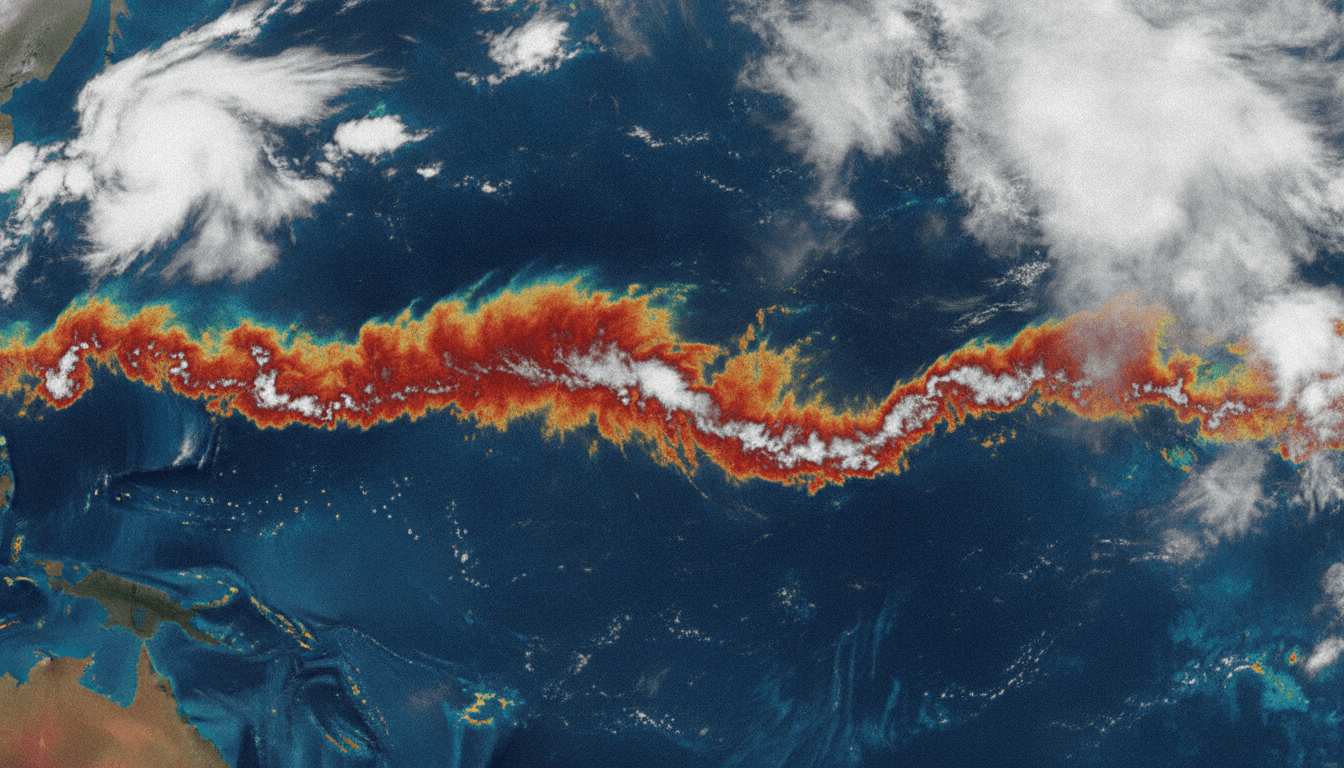
A new El Niño event, projected to rival or exceed the record El Niño in 1997, is poised to unleash a cascade of extreme weather phenomena globally, including heat waves, floods, droughts, tornadoes, and wildfires. This forecast, made public on Friday, June 12, 2026, signals a potentially devastating period for economies and ecosystems worldwide, demanding urgent attention from policymakers and industries alike. The sheer scale of the anticipated impact suggests a significant disruption to global supply chains, agricultural yields, and infrastructure, echoing the widespread chaos observed nearly three decades ago.
Impact Analysis
The potential for this El Niño to rival or exceed the 1997 event carries profound implications for the broader environment and climate landscape. The 1997 El Niño was notorious for its far-reaching consequences, from severe droughts in Australia and Southeast Asia impacting agriculture and sparking massive wildfires, to torrential rains and flooding across South America and parts of the United States. Such an event in 2026, against a backdrop of already rising global temperatures, could exacerbate existing climate vulnerabilities. Industries reliant on stable weather patterns, such as agriculture, shipping, and energy, face substantial risks. Agricultural commodities markets are particularly sensitive to these forecasts, with the prospect of widespread crop failures and reduced yields driving up food prices and potentially fueling inflation.
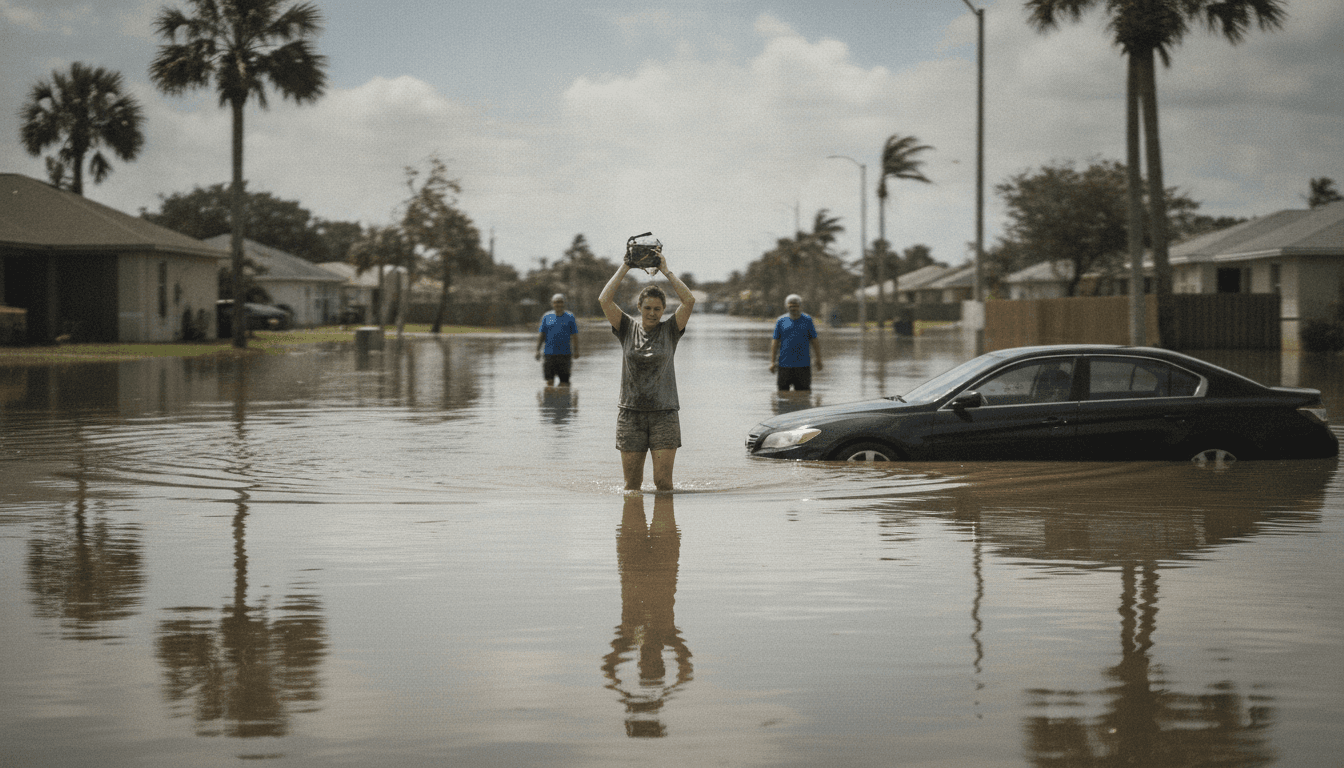
Furthermore, the increased frequency and intensity of extreme weather events, including heat waves, place immense strain on public health infrastructure and energy grids. Regions prone to drought will confront severe water scarcity, impacting hydroelectric power generation and increasing the risk of wildfires, as seen in the 1997 event. Conversely, areas susceptible to floods will face infrastructure damage, displacement of populations, and public health crises. The interconnectedness of global systems means that disruptions in one region can quickly cascade, affecting international trade and humanitarian efforts. Related environment & climate articles often highlight the economic ramifications of such climatic shifts, underscoring the need for robust adaptation and mitigation strategies.
The Looming Specter of 1997
The reference to the record El Niño in 1997 is not merely a historical comparison; it serves as a stark warning. That year’s event, one of the strongest on record, was characterized by its global reach and diverse impacts. Heat waves gripped many parts of the world, shattering temperature records. Floods devastated regions from California to Peru, while prolonged droughts plagued Indonesia and parts of Africa, contributing to widespread famine and economic losses. The atmospheric instability also spawned an unusual number of tornadoes in the United States and fueled massive wildfires, particularly in Southeast Asia, leading to severe air quality issues and ecological damage. The potential for the 2026 El Niño to rival or exceed this benchmark necessitates immediate and comprehensive preparedness.
“The comparison to the 1997 El Niño underscores the potential for widespread, multi-faceted disruption. Businesses and governments must prepare for a spectrum of impacts, from agricultural losses to infrastructure damage and public health emergencies.”
The scientific community’s ability to forecast such an event with this level of detail offers a critical window for proactive measures, unlike the more limited foresight available in 1997. This early warning about the new El Niño provides an opportunity to implement early warning systems, strengthen disaster response mechanisms, and fortify critical infrastructure against anticipated extreme weather.
What’s Next for Global Preparedness
The immediate future will undoubtedly focus on how nations and international organizations respond to this forecast. Governments will likely accelerate contingency planning, including allocating resources for disaster relief, implementing water conservation measures in drought-prone areas, and enhancing wildfire prevention efforts. Industries, particularly those in agriculture, insurance, and energy, will be closely monitoring the developing situation, adjusting strategies to mitigate potential losses and capitalize on emerging opportunities in adaptation technologies.
Investment in climate resilience infrastructure, such as improved flood defenses, drought-resistant crops, and enhanced early warning systems, is expected to see increased prioritization. The financial sector, in particular, will be assessing exposure to climate-related risks across portfolios, with implications for insurance premiums and investment strategies. The global community will also face renewed calls for coordinated action on climate change, recognizing that while El Niño is a natural phenomenon, its impacts are intensified by a warming planet. Our recent coverage on climate finance trends highlights the growing pressure on institutions to integrate climate risk into their financial models.
Key Takeaway: Preparing for Unprecedented Volatility
The projected new El Niño, poised to rival or exceed the record El Niño in 1997, is a critical reminder of Earth’s inherent climatic volatility and the amplified risks posed by a changing climate. This forecast demands a robust, integrated approach to preparedness and adaptation, transcending national borders and sectoral divides. The economic and social costs of inaction could be immense, making proactive investment in resilience and sustainable practices not just an environmental imperative, but a fundamental economic necessity for the coming years.