Oceans face tipping point, according to a critical United Nations report released on Tuesday, June 9, 2026, which warns that the world’s marine ecosystems are being pushed to the brink by the combined pressures of climate change and pervasive pollution. The findings, highlighted by the Los Angeles Times, underscore an urgent global crisis demanding immediate and coordinated action to prevent irreversible damage to vital aquatic environments.
The Looming Ocean Tipping Point
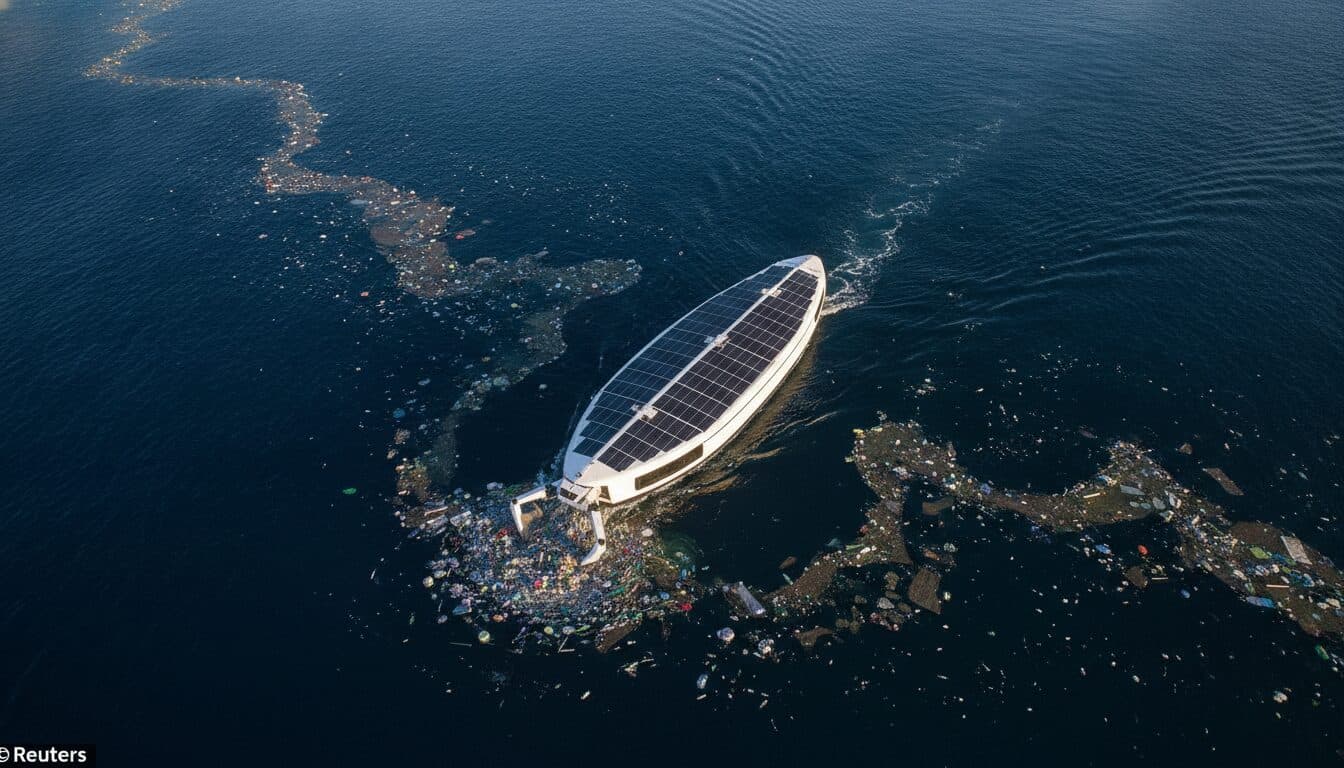
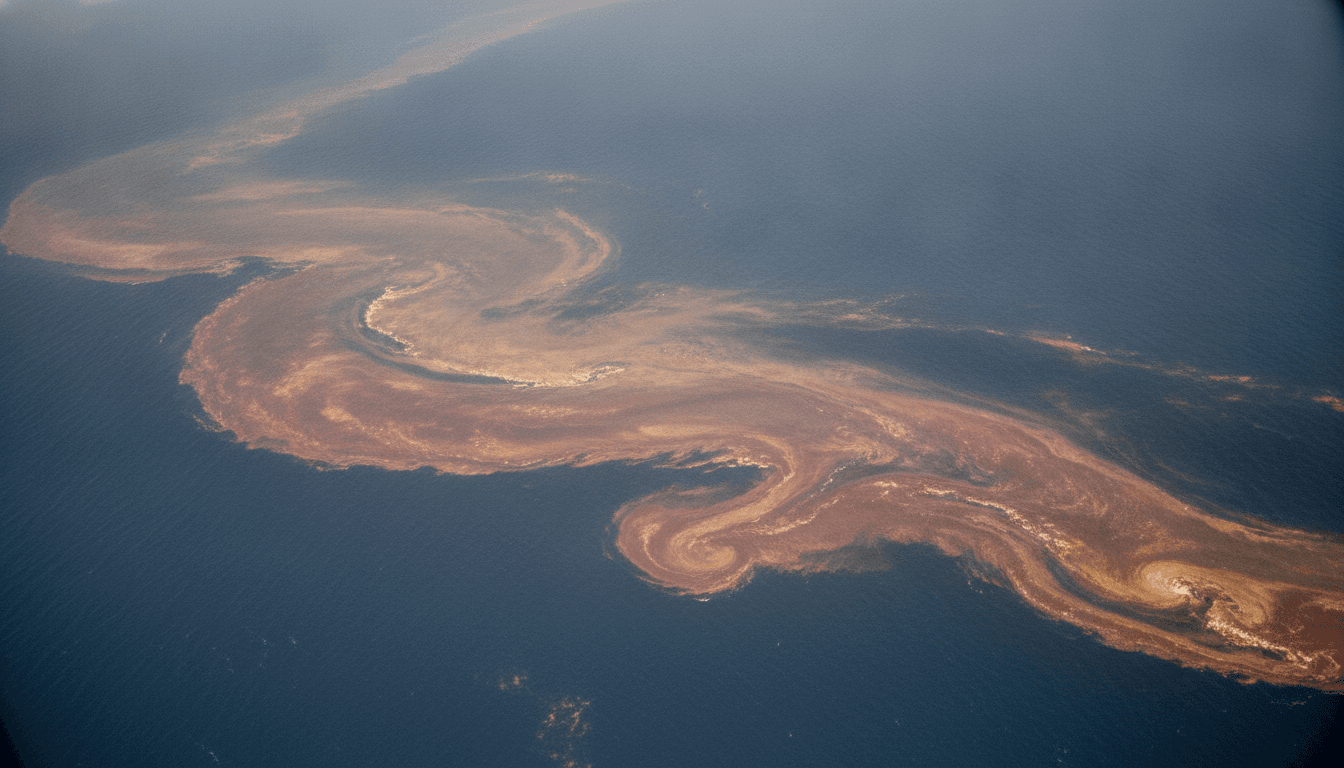
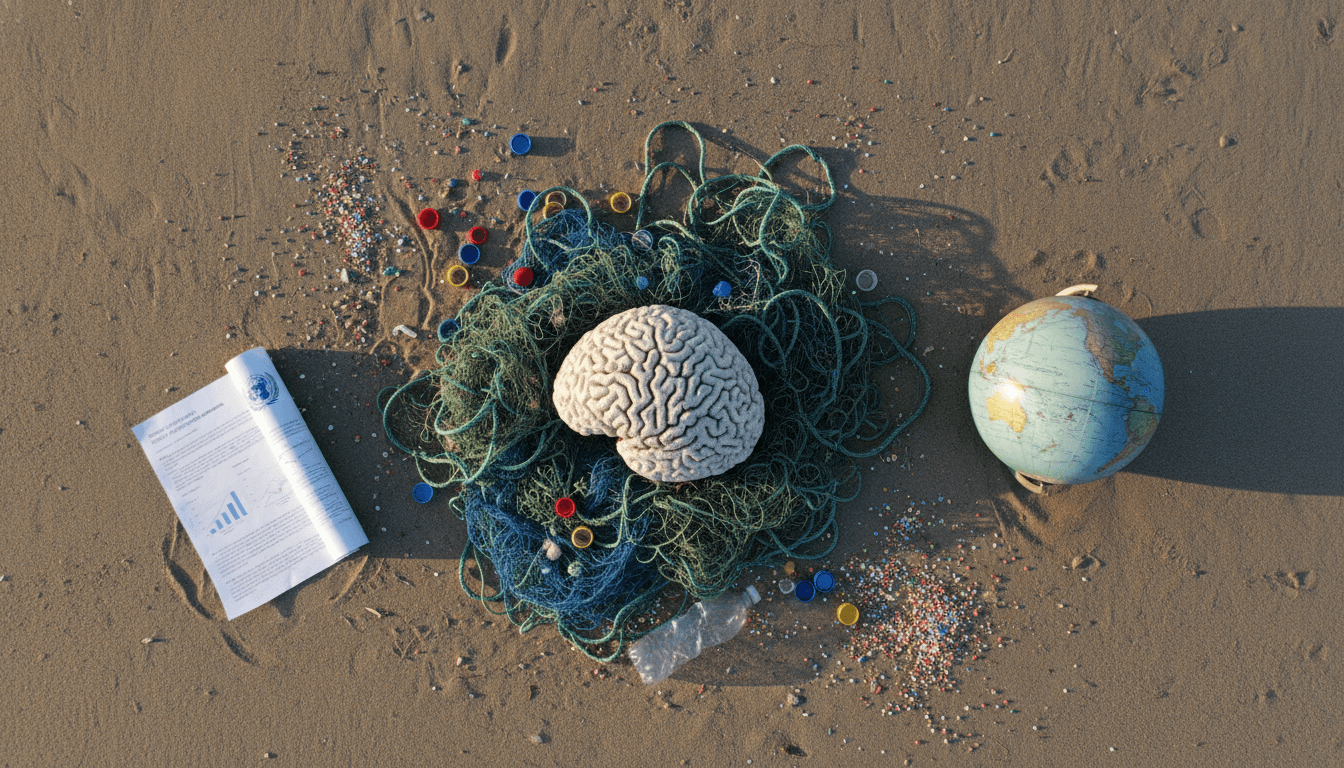
The U.N. report details a grim assessment of the state of the world’s oceans, identifying climate change as a primary driver of escalating temperatures, ocean acidification, and sea-level rise. These climatic shifts are fundamentally altering marine habitats, threatening biodiversity, and disrupting delicate ecological balances. Concurrently, the report emphasizes the devastating impact of various forms of pollution, from plastic waste and chemical runoff to agricultural discharges, which are suffocating marine life and poisoning ocean waters globally. The confluence of these threats creates a compounding effect, accelerating degradation and pushing ecosystems past critical thresholds. The report’s authors warn that exceeding this ocean tipping point could trigger cascading failures across marine food webs and dramatically reduce the ocean’s capacity to support life and regulate the planet’s climate.
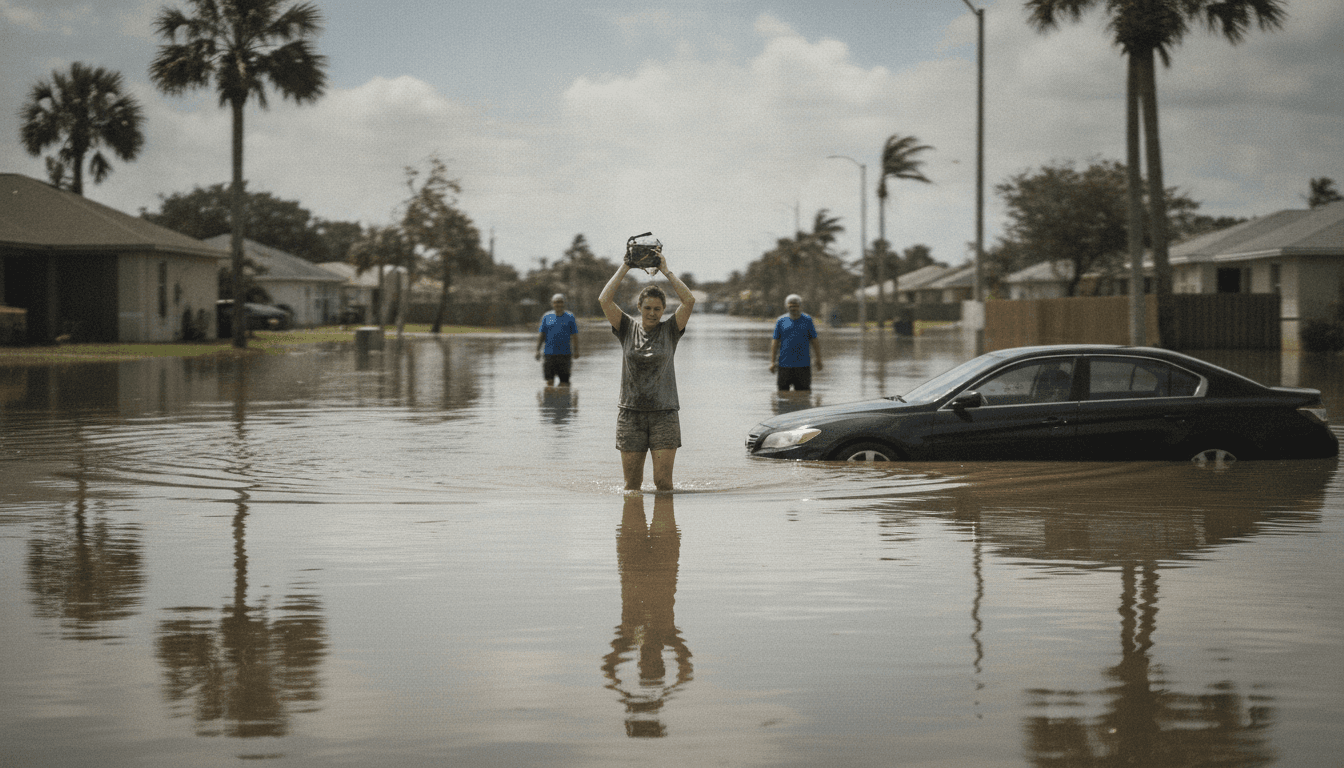
The implications of this crisis extend far beyond marine ecosystems, affecting human communities that rely on healthy oceans for food security, economic livelihoods, and coastal protection. Fisheries are collapsing, coral reefs — vital nurseries for marine life and natural barriers against storms — are bleaching at unprecedented rates, and coastal regions face increased vulnerability to extreme weather events and rising tides. The U.N.’s stark warning serves as a call to action for governments, industries, and individuals to reassess their relationship with the ocean and implement sustainable practices.
Impact Analysis: A Broader Environmental Reckoning
This U.N. report on oceans facing tipping point conditions significantly reshapes the broader environment and climate landscape by consolidating existing concerns into a singular, urgent narrative. It moves beyond isolated issues like plastic pollution or coral bleaching to present a holistic view of systemic collapse. The report’s emphasis on a ‘tipping point’ suggests that incremental changes may no longer be sufficient; rather, transformative shifts in policy, technology, and societal behavior are required. Economically, the report flags potential massive disruptions to global supply chains, particularly in seafood industries, and increased costs for coastal protection and disaster relief. Socially, it highlights the disproportionate impact on vulnerable coastal communities and indigenous populations whose cultures and livelihoods are intrinsically linked to the marine environment. The findings will likely intensify pressure on upcoming international climate and environmental summits to deliver more ambitious commitments and enforceable regulations.
“The interlinked crises of climate change and pollution are creating a perfect storm, pushing our oceans towards a point of no return. Addressing this requires an integrated global response, not piecemeal solutions.”
Context & Background: Decades of Decline
The alarm raised by this U.N. report is not entirely new, but it represents a culmination of decades of scientific observation and increasing concern. Scientists have long documented the adverse effects of human activities on marine environments, from the acidification impacts first noted in the early 2000s to the widespread discovery of microplastics in even the most remote ocean trenches. Previous reports from organizations like the Intergovernmental Panel on Climate Change (IPCC) have consistently highlighted the warming and rising of oceans. However, this U.N. report appears to synthesize these individual threats into a more dire prognosis, suggesting that the cumulative impact is accelerating towards irreversible thresholds. Industry trends, such as the rapid expansion of offshore oil and gas exploration, unsustainable fishing practices, and increasing shipping traffic, continue to exacerbate these pressures, often outpacing conservation efforts. The report implicitly critiques the slow pace of international environmental governance and the persistent gaps in implementing existing agreements aimed at protecting marine resources. For more on global environmental governance, see our analysis on climate policy.
What’s Next: Policy Shifts and Innovation
Looking ahead, the U.N. report’s findings are expected to galvanize policymakers and environmental advocates to push for more stringent regulations and innovative solutions. Key upcoming decisions will likely revolve around expanding marine protected areas, accelerating the transition to renewable energy sources to mitigate climate change, and developing advanced technologies for pollution control and plastic waste management. There will be increased scrutiny on industries contributing significantly to ocean pollution, particularly plastics manufacturers and agricultural sectors. Predictions include a greater emphasis on ‘blue economy’ initiatives that prioritize sustainable ocean resource management and investment in ocean-based climate solutions, such as carbon sequestration through restored coastal ecosystems. The report’s release ahead of major international forums will undoubtedly shape their agendas, pushing for legally binding agreements and financial commitments to protect marine environments.
Key Takeaway: A Shared Global Responsibility
The U.N. report, indicating that oceans face tipping point conditions, serves as a profound reminder of the interconnectedness of our planet and the shared responsibility humanity bears for its health. The degradation of marine ecosystems is not a distant environmental problem but a direct threat to global stability, economic prosperity, and the well-being of billions. Preventing irreversible damage requires a fundamental shift in how societies value and interact with the ocean – moving from exploitation to stewardship. The challenge is immense, but the opportunity to safeguard these vital blue spaces for future generations remains, provided immediate and decisive action is taken.