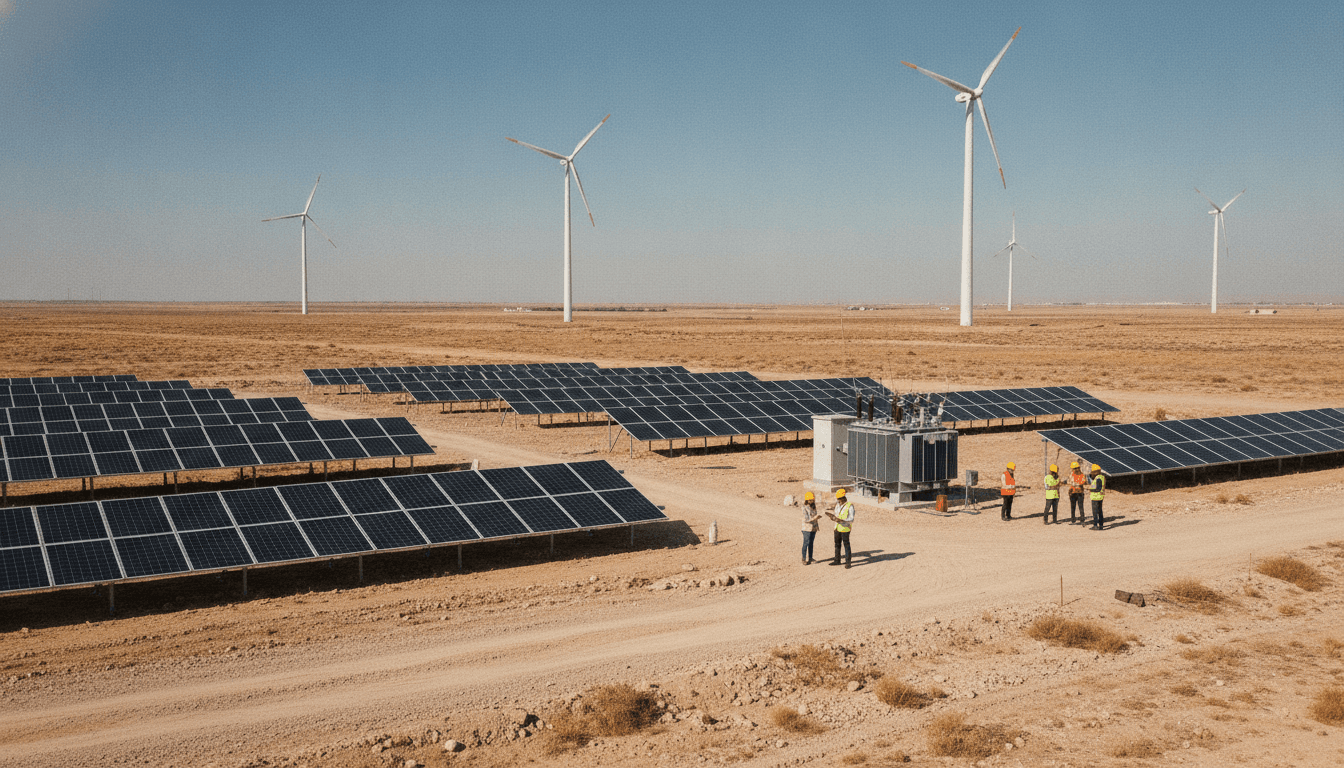
Iraq’s allocation of land for a 1.6 GW solar-wind hybrid renewable energy project in Diyala province marks a significant stride in the nation’s energy transition efforts, announced on Tuesday, June 9, 2026. This strategic move underscores Iraq’s commitment to diversifying its power grid beyond fossil fuels and harnessing its abundant solar and wind resources. The ambitious project, set to be located in Diyala, represents a substantial investment in sustainable infrastructure and a tangible step towards energy independence and environmental stewardship.
The Diyala Renewable Energy Initiative
The core of this development is the Iraqi government’s decision to allocate the necessary land for a massive 1.6 GW solar-wind hybrid renewable energy project. While specific details regarding the developers or the precise timeline for construction were not disclosed in the announcement, the sheer scale of 1.6 GW points to a utility-scale endeavor designed to make a considerable impact on Iraq’s national electricity supply. Diyala province, situated in eastern Iraq, offers a conducive environment for both solar and wind power generation, making it an ideal location for such an integrated hybrid system. This dual approach aims to mitigate the intermittency inherent in single renewable energy sources, providing a more stable and reliable power output.
Impact Analysis
The implications of this 1.6 GW solar-wind hybrid renewable energy project are far-reaching for Iraq’s energy landscape and its broader environmental commitments. Currently, Iraq is heavily reliant on oil and gas for its energy needs, with significant challenges in meeting consistent electricity demand for its growing population. The integration of 1.6 GW of clean energy will substantially reduce the country’s carbon footprint, aligning with global efforts to combat climate change. Furthermore, it will enhance energy security by decreasing dependence on imported fuels and fluctuating international energy markets. Economically, such a project is expected to create jobs, foster local expertise in renewable technologies, and potentially lower long-term energy costs.
“This 1.6 GW solar-wind hybrid renewable energy project is not just about generating electricity; it’s about building a sustainable future for Iraq, reducing emissions, and strengthening energy resilience in a region historically defined by hydrocarbon wealth.”
The move also positions Iraq as a more proactive player in the global renewable energy transition, potentially attracting further foreign investment in green technologies. This project could serve as a blueprint for similar initiatives across the country, encouraging a broader shift towards sustainable development. The 1.6 GW solar-wind hybrid renewable energy project is a testament to Iraq’s evolving energy policy.
Context & Background
Iraq has long faced significant challenges in its power sector, including aging infrastructure, transmission losses, and an inability to meet peak demand, particularly during scorching summer months. While rich in hydrocarbon reserves, the nation has increasingly recognized the need to diversify its energy mix to ensure stability and sustainability. Previous efforts have included plans for large-scale solar farms, but the integration of wind power in a hybrid model signifies a more sophisticated and resilient approach. This commitment to a 1.6 GW solar-wind hybrid renewable energy project comes amidst growing international pressure and domestic urgency to address environmental concerns and improve public services. Neighboring countries in the Middle East have also made substantial investments in renewable energy, creating a regional trend towards green power initiatives that Iraq is now actively joining.
What’s Next for the 1.6 GW Solar-Wind Hybrid Renewable Energy Project
The allocation of land is a foundational step, but the path forward involves several critical stages. The next phases will likely include detailed feasibility studies, securing financing, issuing tenders for engineering, procurement, and construction (EPC) contractors, and establishing a clear regulatory framework for renewable energy projects. Given the scale, the development of this 1.6 GW solar-wind hybrid renewable energy project will require significant international collaboration and expertise. Monitoring and evaluation of the project’s progress will be crucial, as will ensuring its integration into the national grid without compromising stability. Future announcements are anticipated regarding project timelines, investment partners, and the specific technologies to be deployed in Diyala.
Key Takeaway
The allocation of land for the 1.6 GW solar-wind hybrid renewable energy project in Diyala is a pivotal moment for Iraq, signaling a determined shift towards a more sustainable and resilient energy future. This initiative has the potential to profoundly impact the nation’s energy security, environmental footprint, and economic development, setting a precedent for future green projects across the region. It underscores the growing global recognition that even hydrocarbon-rich nations must embrace renewable energy to thrive in the 21st century and address the pressing challenges of climate change and energy demand. Global climate initiatives are increasingly looking to such large-scale projects as examples of commitment.