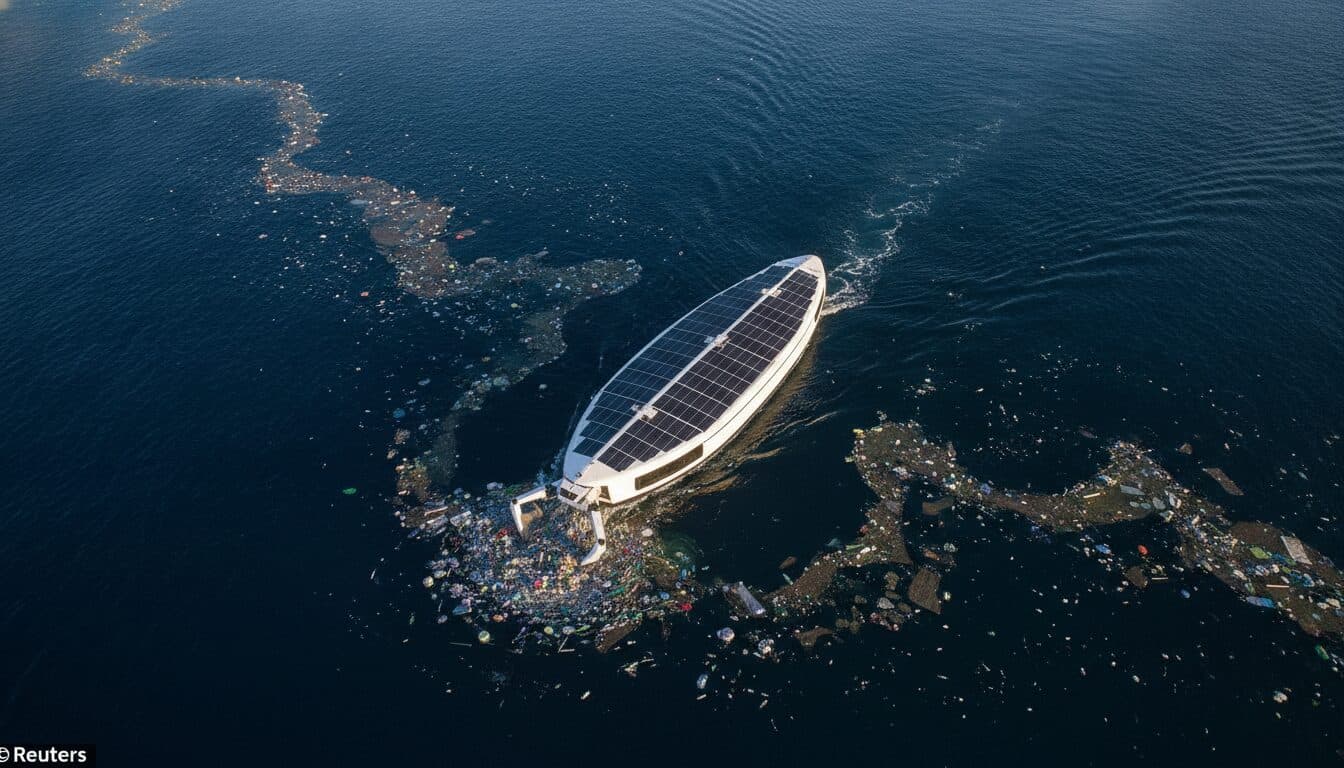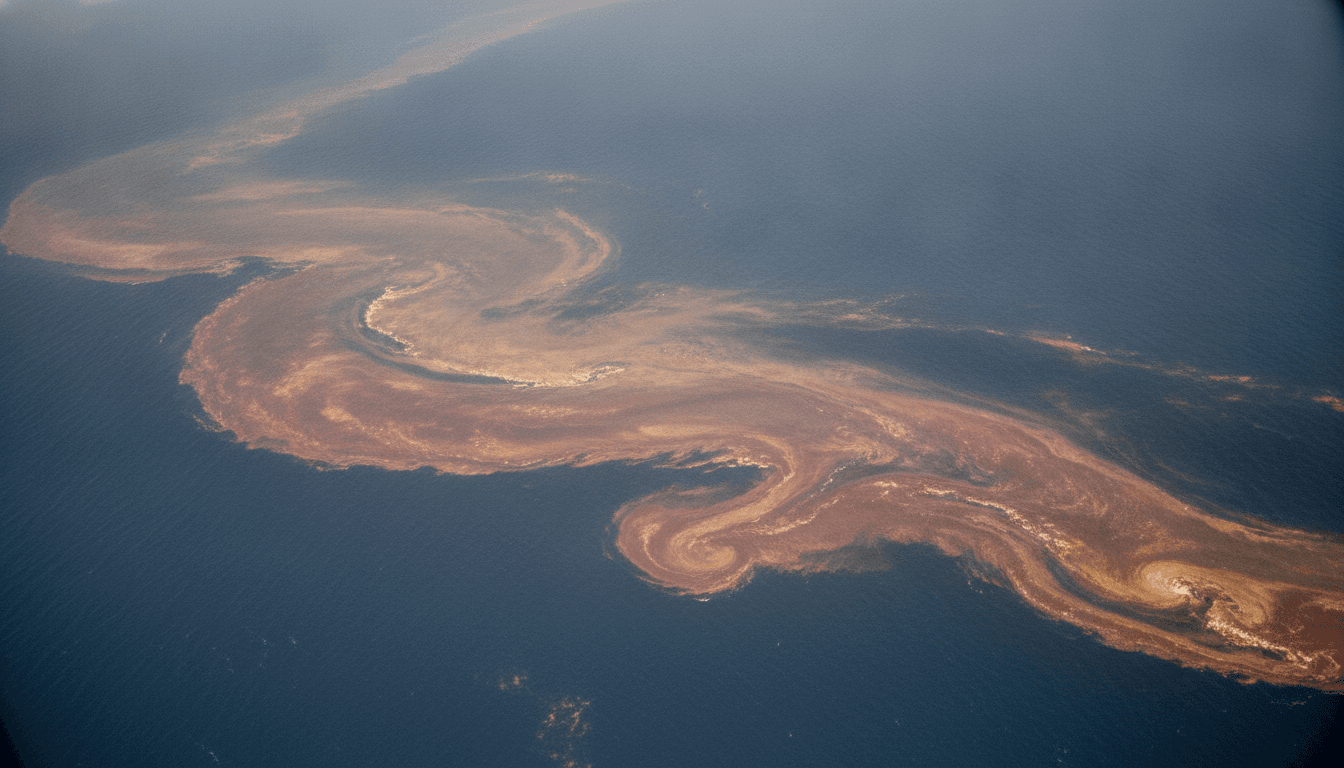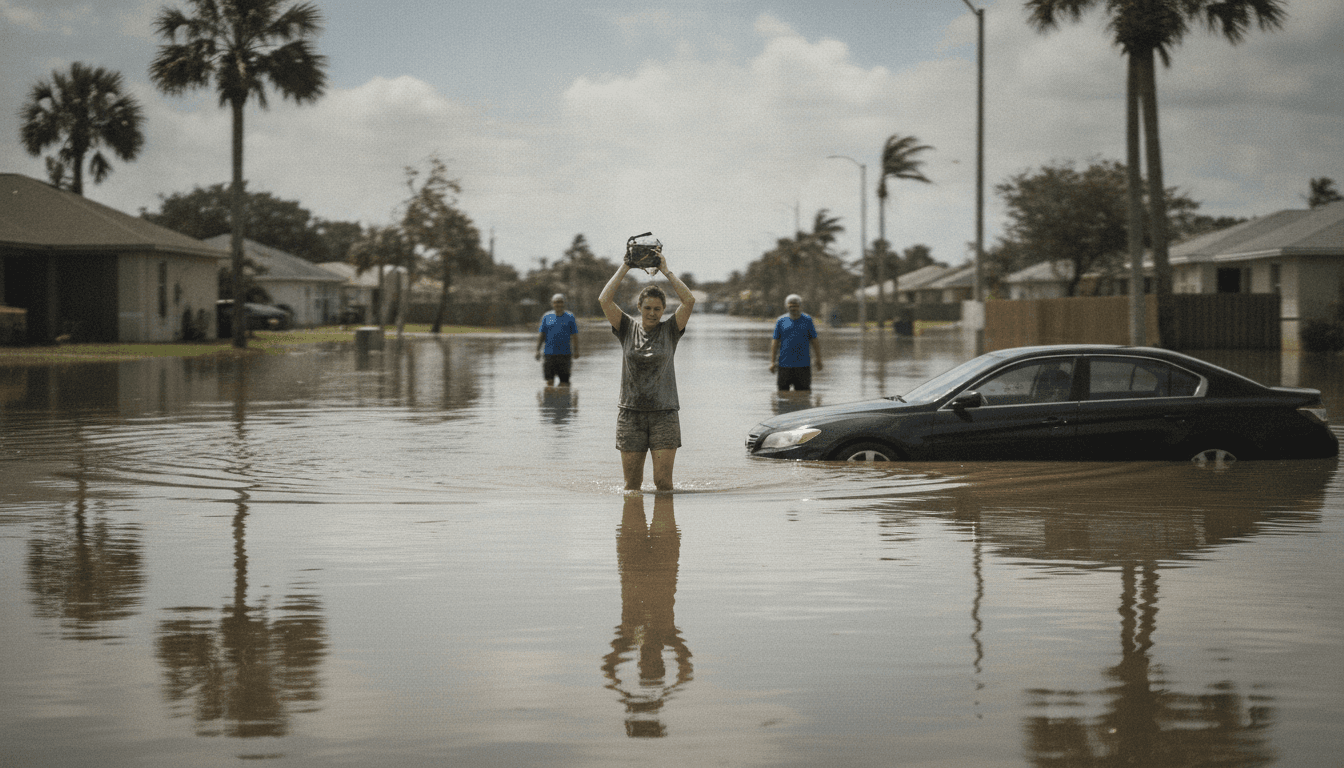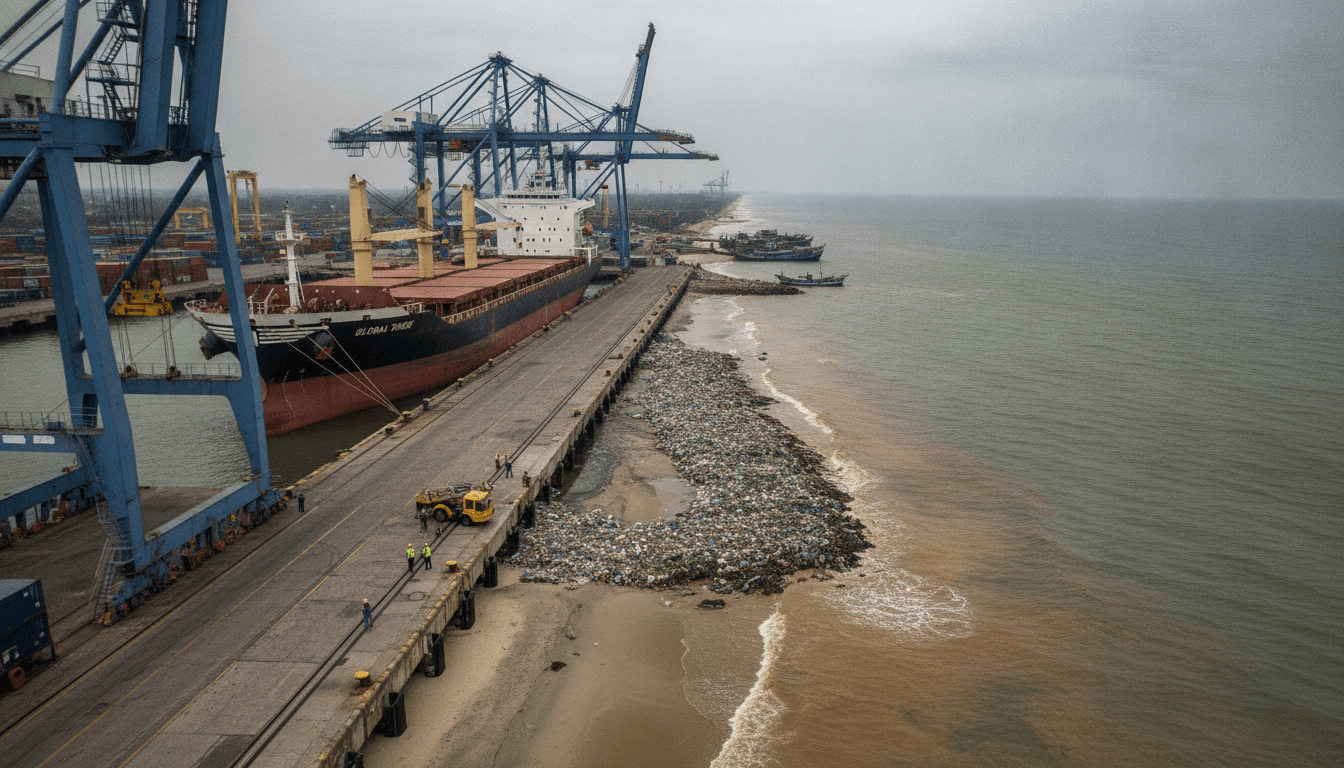
Growing pollution threatens Paradip coastline and its vital marine ecosystem, a critical issue highlighted on World Ocean Day, Monday, June 8, 2026. This escalating environmental degradation poses severe risks not only to the immediate ecological balance but also to the livelihoods dependent on the region’s marine resources, underscoring a broader challenge faced by coastal communities globally.
The Unfolding Crisis in Paradip
The port town of Paradip, a key industrial and maritime hub, is grappling with an increasing influx of pollutants that are directly impacting its coastal waters and the intricate web of marine life beneath. While specific sources and types of pollution were not detailed in the reporting, the reference to ‘growing pollution’ points to a multifaceted problem likely stemming from industrial discharges, urban runoff, and port activities. The threat extends beyond immediate contamination, potentially disrupting breeding grounds, food chains, and the overall health of the marine biodiversity unique to the Odisha coast. This situation demands urgent attention from local authorities, industrial stakeholders, and environmental agencies to mitigate the damage and implement sustainable practices.
Impact Analysis: Broader Environmental & Climate Landscape
The situation in Paradip serves as a stark microcosm of the wider environmental challenges confronting coastal regions worldwide. Pollution threats to Paradip coastline contribute to a global crisis of marine degradation, exacerbated by climate change. Rising ocean temperatures and acidification already stress marine ecosystems, making them more vulnerable to the additional pressures of chemical and plastic pollution. The loss of biodiversity in critical coastal areas like Paradip can have cascading effects, impacting regional fisheries, tourism, and even the natural protective barriers against extreme weather events. From a climate perspective, healthy oceans are vital carbon sinks, and their degradation diminishes their capacity to absorb atmospheric CO2, thus accelerating global warming. The interconnectedness of these issues means that localized pollution problems have far-reaching implications for global climate stability and ecological resilience. Related Environment & Climate Articles often detail similar struggles in other industrial coastal zones.
“The growing pollution threatens Paradip coastline and its marine ecosystem, highlighting the urgent need for integrated coastal management strategies that address both localized industrial impacts and broader climate vulnerabilities.”
Context & Background: A Persistent Challenge
Coastal pollution is not a new phenomenon, particularly in areas with significant industrial and port infrastructure. Historically, economic development has often taken precedence over environmental protection, leading to legacy pollution issues. While the specific historical context for Paradip was not provided, similar port cities have seen decades of accumulated industrial waste, untreated sewage, and agricultural runoff contributing to marine degradation. The increasing frequency of such reports on significant dates like World Ocean Day suggests a heightened awareness and perhaps a tipping point where the ecological damage becomes undeniable. Industry trends show a slow but growing shift towards corporate environmental responsibility, yet the pace of change often lags behind the rate of environmental degradation, making incidents like those impacting Paradip a persistent and worrying challenge.
What’s Next: Urgent Action Required
The immediate future for Paradip’s coastline hinges on decisive action. This would likely involve comprehensive environmental assessments to identify specific pollutants and their sources, followed by the enforcement of stricter environmental regulations. Investment in advanced wastewater treatment facilities, port waste management systems, and public awareness campaigns will be crucial. Furthermore, the long-term prognosis depends on the integration of sustainable development practices into all industrial and urban planning around Paradip. This includes fostering blue economy initiatives that prioritize marine health and biodiversity alongside economic growth. International collaborations and knowledge sharing on best practices for coastal zone management will also play a significant role in safeguarding such vital ecosystems. The focus remains on how quickly and effectively stakeholders can transition from acknowledging the growing pollution threats to Paradip coastline to implementing tangible, impactful solutions.
Key Takeaway: A Call for Integrated Coastal Management
The escalating pollution threatens Paradip coastline and its rich marine ecosystem, serving as a critical reminder of the delicate balance between economic activity and environmental preservation. This situation underscores the urgent need for integrated coastal zone management, where economic development is meticulously balanced with robust environmental protection measures. The health of our oceans, as highlighted by World Ocean Day, is intrinsically linked to human well-being, economic stability, and the global climate system. Failure to address localized pollution aggressively will inevitably contribute to broader ecological collapse, making the lessons from Paradip resonate far beyond its shores.