Europe’s extreme weather, characterized by escalating floods, droughts, and heatwaves, poses an increasingly severe risk to infrastructure, nature, and human health, according to a recent European Environment Agency (EEA) report. Released on June 7, 2026, the report underscores that these events, already causing substantial damage and loss, are projected to intensify in both frequency and severity due to climate change, necessitating urgent adaptation and preparedness.
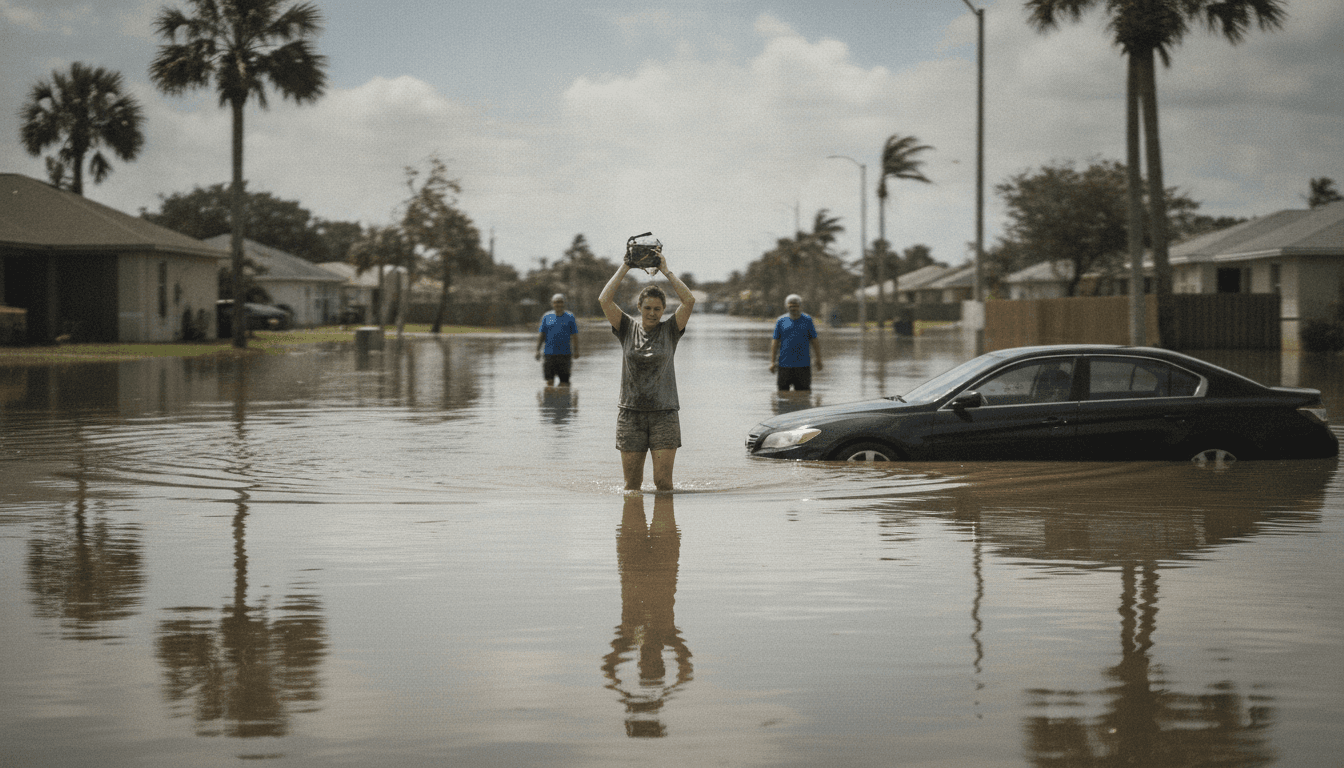
The EEA’s findings paint a stark picture of a continent grappling with the immediate consequences of a warming climate. Europe holds the unfortunate distinction of being the fastest-warming continent globally, a reality made acutely perceptible by recent events. The year 2024 was recorded as the hottest on record, not just for Europe but globally. This trend manifested in devastating localized impacts, including severe flooding across Central Europe in September 2024, which directly affected nearly two million people in regions spanning the Polish-Czech border and Austria. This was swiftly followed by extensive floods in Valencia in October, claiming over 200 lives and obliterating homes and businesses. The destructive pattern has continued into 2025, with an alarming 208,000 hectares of forest already consumed by wildfires in the first six months.
The Rising Tide of Extreme Weather
The escalating frequency and intensity of extreme weather events represent a critical challenge for Europe’s environmental and economic stability. The report highlights that the continent’s rapid warming is not a distant threat but a present reality, with profound implications for urban planning, agricultural practices, and disaster response mechanisms. The economic toll, while not fully quantified in the provided snippet, is clearly substantial, evidenced by the destruction of homes and businesses in Valencia and the widespread disruption caused by Central European floods.
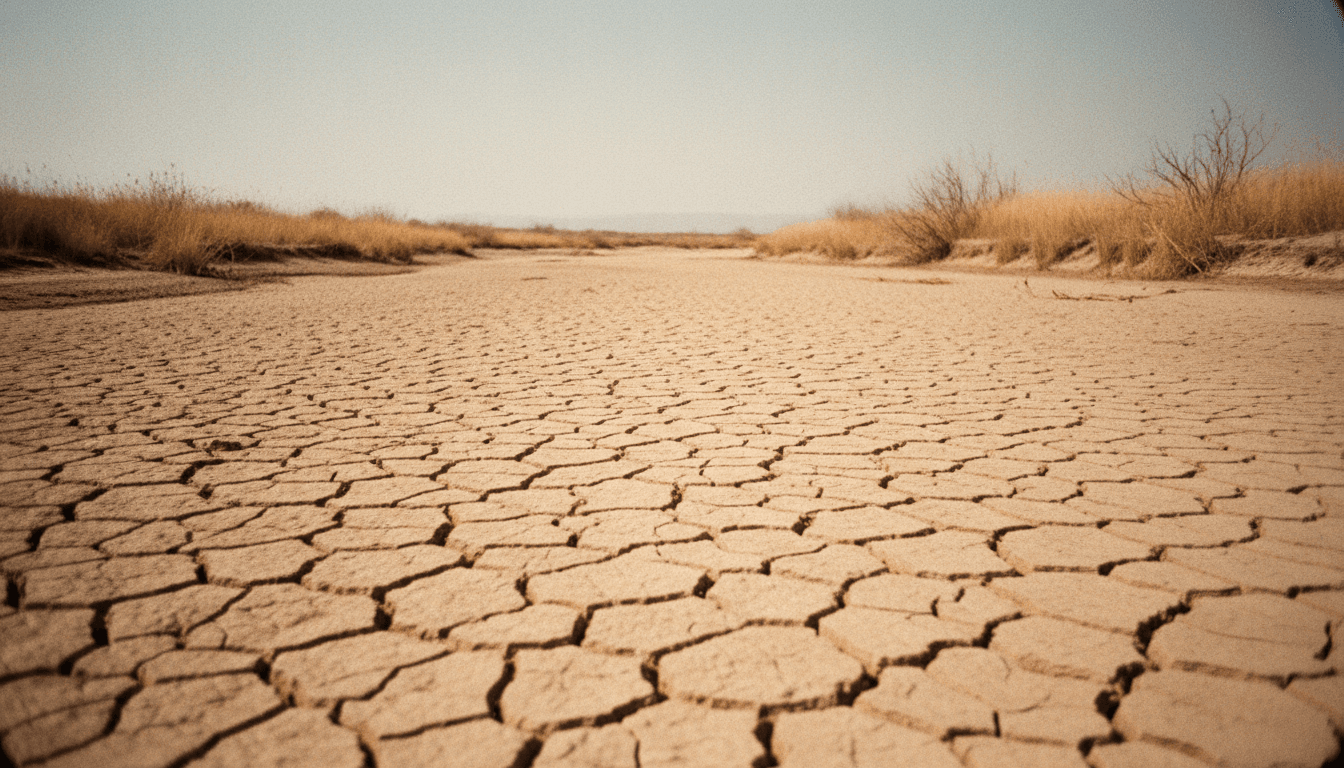
Beyond the immediate human and economic costs, the impact on natural ecosystems is profound. Wildfires, like those that have ravaged 208,000 hectares of forest this year, decimate biodiversity, release significant carbon emissions, and degrade soil quality, contributing to a vicious cycle of environmental degradation. Similarly, prolonged droughts strain water resources, threaten food security, and increase the risk of further wildfires, while floods contaminate water supplies and disrupt ecosystems.
“That Europe is the fastest-warming continent in the world is becoming increasingly perceptible. The year 2024 was the hottest on record, both in Europe and globally.”
The EEA’s report serves as a stark reminder that the window for meaningful climate action and robust adaptation strategies is rapidly closing. The scale of the recent disasters – from the two million people affected by Central European floods to the tragic loss of life in Valencia – underscores the urgent need for comprehensive policy responses that integrate climate resilience into all facets of planning and development. For more insights into regional climate challenges, readers can explore our related environment & climate articles.
Historical Context and Future Preparedness
Over the past decades, Europe has experienced a steady increase in the severity and frequency of extreme weather events. While the EEA report focuses on recent events, it implies a longer-term trend that necessitates a fundamental shift in how societies prepare for and respond to climate-induced disasters. The data from 2024 and early 2025, particularly the record-breaking heat and the devastating floods and wildfires, are not isolated incidents but rather amplified manifestations of this ongoing trend. This pattern places immense pressure on existing infrastructure, emergency services, and public health systems.
Looking ahead, the implications are dire without significant intervention. The EEA’s call to ‘adapt and prepare for life in a changing climate’ is not merely a recommendation but a necessity. This involves investing in climate-resilient infrastructure, developing early warning systems for extreme weather, implementing sustainable land management practices to mitigate flood and fire risks, and bolstering public health services to cope with heatwaves and other climate-related health challenges. The challenge is multi-faceted, requiring coordinated efforts across national borders and various sectors.
The EEA’s latest assessment on Europe’s extreme weather is a critical alert, demanding immediate and sustained attention from policymakers, businesses, and communities. The escalating human and environmental costs of floods, droughts, and heatwaves underscore the imperative for robust climate adaptation strategies and accelerated efforts to mitigate greenhouse gas emissions. Failure to act decisively risks even more catastrophic consequences as the continent continues to warm at an alarming rate.