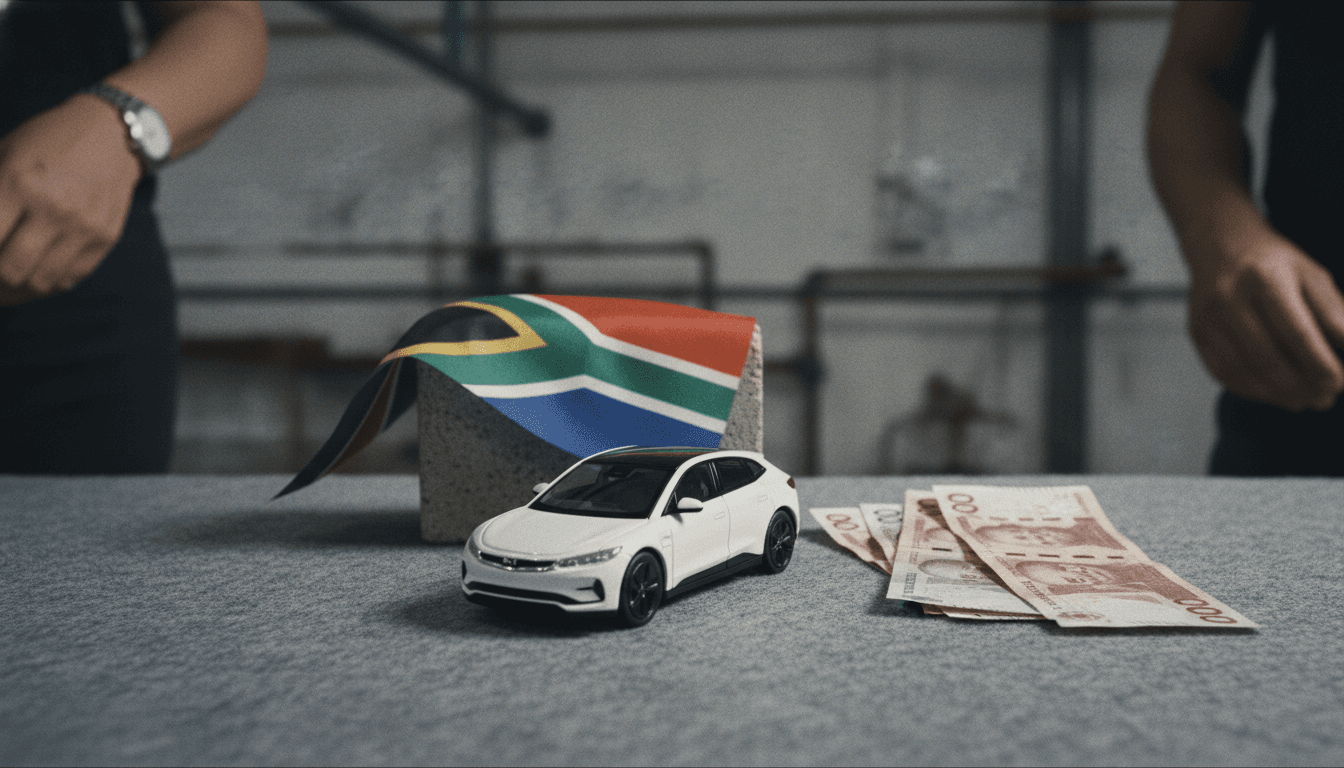
South Africans warming to electric and hybrid vehicles is a trend increasingly acknowledged by industry leaders, with Chinese automotive giant BYD confirming this shift. On Friday, June 12, 2026, BYD stated that it is observing a growing acceptance and preference for electrified transport solutions within the South African market. This pronouncement from a major global EV manufacturer signals a potentially transformative period for the nation’s automotive landscape, moving away from its traditional reliance on internal combustion engine (ICE) vehicles.
BYD’s observations are significant given its aggressive global expansion strategy and its position as a leading producer of both battery electric vehicles (BEVs) and plug-in hybrid electric vehicles (PHEVs). While specific sales figures or growth percentages were not detailed in the announcement, the statement itself indicates a positive trajectory that aligns with broader global efforts towards decarbonization and sustainable mobility. This shift is not merely about environmental consciousness but also about the increasing viability and appeal of EV technology for consumers.
Impact Analysis: South Africans Warming to EVs
The reported warming to electric and hybrid vehicles among South Africans carries substantial implications for the broader automotive and EV landscape, both domestically and internationally. For South Africa, it suggests a nascent but accelerating market for EVs, which could attract further investment in charging infrastructure, local manufacturing, and specialized technical skills. This could foster new job creation and potentially position the country as a more significant player in the global EV supply chain. The consumer shift also puts pressure on traditional dealerships and service networks to adapt, investing in training for EV maintenance and sales.
Globally, BYD’s success in South Africa reinforces the narrative that EV adoption is gaining traction even in emerging markets often perceived as late adopters due to factors like cost, range anxiety, and infrastructure limitations. This provides a blueprint for other manufacturers looking to penetrate similar markets and validates the long-term investment in EV research and development. It also highlights the importance of offering a diverse range of electrified options, from full EVs to hybrids, to cater to varying consumer needs and economic realities.
“The increasing acceptance of electrified vehicles in South Africa is a clear indicator that the global transition to sustainable mobility is gaining momentum across diverse economic landscapes, not just established Western markets.”
This trend will likely accelerate competition among EV manufacturers, prompting more aggressive pricing strategies, technological innovations, and expanded model offerings. It also underscores the critical role of government policies in incentivizing EV adoption, whether through tax breaks, subsidies, or infrastructure development, to sustain this growth.
Context & Background: A Shifting Landscape
South Africa’s automotive market has historically been dominated by ICE vehicles, with fuel prices and grid reliability often cited as significant barriers to EV adoption. However, over the past few years, there has been a gradual increase in the availability of EV models from various manufacturers, albeit at premium price points. Industry analysts have pointed to a growing middle class with increasing environmental awareness and a desire for lower running costs as potential drivers for EV interest. The global push for emissions reductions, coupled with advancements in battery technology that offer greater range and faster charging, has also made EVs a more practical option.
Previous events, such as limited charging infrastructure rollouts and the introduction of a few high-end EV models, laid some groundwork. However, BYD’s explicit statement marks a more definitive turning point, suggesting a broader consumer base is now considering these alternatives. This aligns with global trends where countries are setting ambitious targets for phasing out ICE vehicle sales, driving manufacturers to expand their EV portfolios into new territories. For more insights into the broader shift, readers can explore our automotive & ev articles.
What’s Next: Infrastructure, Policy, and Competition
Looking ahead, the sustained warming to electric and hybrid vehicles in South Africa will necessitate significant developments. A crucial next step is the rapid expansion of charging infrastructure across urban centers and major travel routes. Without a robust and reliable charging network, consumer confidence, particularly regarding range anxiety, will remain a hurdle. We can anticipate increased investment from both private companies and potentially public-private partnerships in this area. Furthermore, government policy will play an indispensable role. Clear incentives for EV purchases, such as reduced import duties or VAT exemptions, could dramatically accelerate adoption rates. Regulatory frameworks for vehicle emissions and energy efficiency may also be tightened, further pushing consumers towards electrified options.
The competitive landscape is also set to intensify. As BYD and other early movers solidify their positions, more global manufacturers will likely enter the South African market with a wider array of EV and hybrid models, catering to different price points and segments. This increased competition will benefit consumers through greater choice and potentially more affordable options. We may also see local automotive industry players explore opportunities in EV component manufacturing or assembly, leveraging existing infrastructure and skilled labor. Decisions made in the coming months regarding infrastructure investment and policy formulation will be critical in shaping the pace and scale of this transition.
Key Takeaway: A Pivotal Shift
The announcement by BYD on Friday, June 12, 2026, that South Africans are warming to electric and hybrid vehicles signifies a pivotal moment for the nation’s automotive sector. It underscores a growing consumer readiness for sustainable mobility solutions, driven by a confluence of technological advancements, environmental awareness, and economic considerations. This shift is not merely a fleeting trend but a foundational change that will reshape infrastructure, policy, and market dynamics for years to come. As the global automotive industry continues its rapid evolution towards electrification, South Africa’s increasing embrace of EVs and hybrids positions it as a key emerging market to watch, with profound implications for energy consumption, urban planning, and economic development.