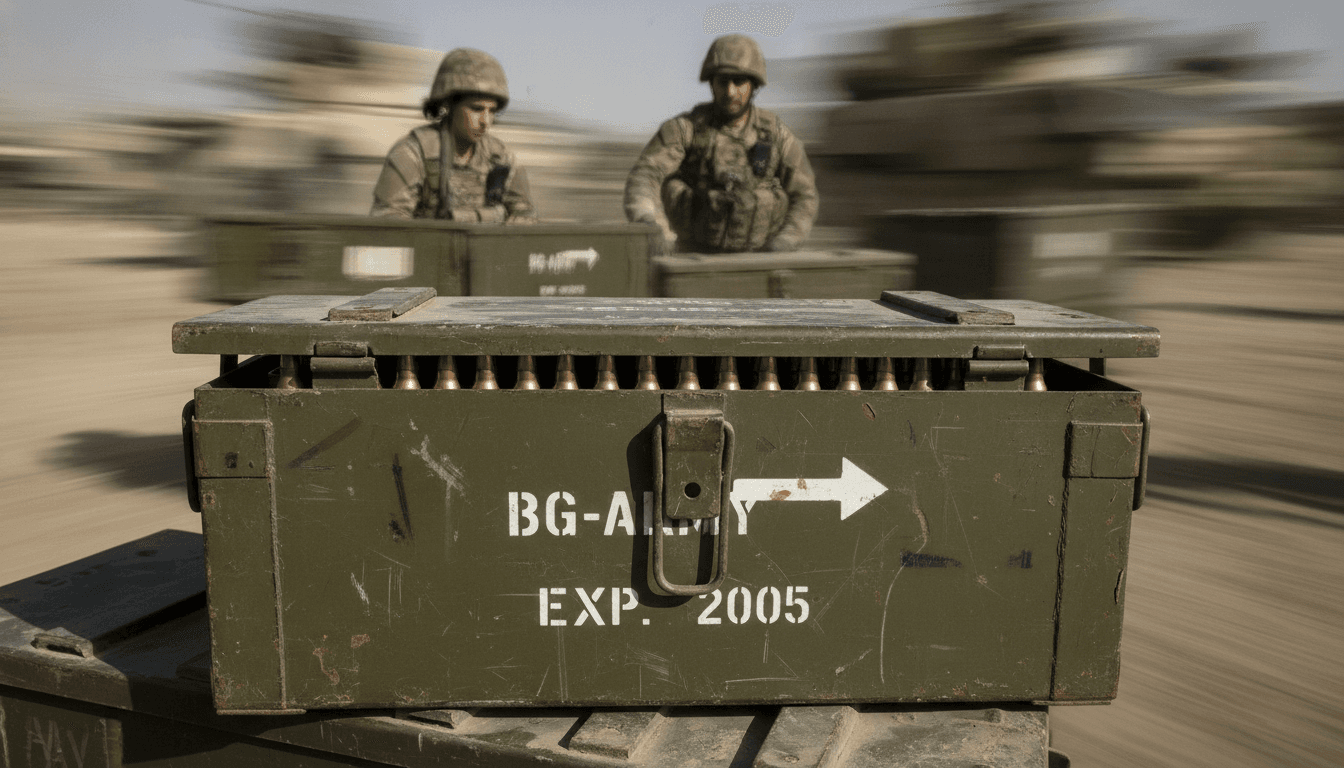
Bulgaria halts Ukraine military aid, a decision its Defense Minister, Dimitar Stoyanov, confirmed was made without prior notification to EU and NATO partners. This unilateral move, announced during a parliamentary committee hearing on Wednesday, June 10, 2026, underscores a growing divergence within the Western alliance regarding support for Kyiv.
Minister Stoyanov asserted that the halt in military assistance was a sovereign national decision, rejecting criticisms that the lack of prior notification could undermine Bulgaria’s reliability as an ally. He maintained that no obligation existed to inform partners in advance.
“I categorically do not agree that this will lead to a change in the attitude towards Bulgaria as a reliable partner. The partners were not notified and there is no need to be notified. After all, this is a sovereign decision,”
he stated, echoing a position previously linked to Prime Minister Rumen Radev.
The core rationale behind the suspension, according to Stoyanov, is that Bulgaria has exhausted its capacity to provide further equipment from its military reserves. He explained that even partial transfers would reduce stockpiles below required national defense levels. Furthermore, Stoyanov noted that since May 2026, there have been no formal requests for additional assistance from Ukraine, suggesting a potential shift in Kyiv’s immediate needs or procurement strategies.
Domestic Fallout Over Ukraine Military Aid
The decision has not been without internal dissent. Members of Parliament from the GERB party sharply criticized the Defense Ministry, arguing that the unilateral halt in aid might contradict a 2023 resolution of the National Assembly. Representatives from “Democratic Bulgaria” also voiced concerns, questioning the lack of coordination with EU and NATO allies and emphasizing the importance of predictability within these crucial international organizations. This internal debate highlights the delicate balance between national sovereignty and alliance solidarity that Bulgaria, like many other nations, navigates in its foreign policy.
Stoyanov clarified that the suspension applies exclusively to aid drawn from the Bulgarian army’s existing reserves. Ukraine, he stressed, would still retain the ability to purchase weapons directly from Bulgarian suppliers, indicating a distinction between state-to-state transfers and commercial transactions. This nuance suggests an attempt to maintain some level of support for Ukraine’s defense efforts while prioritizing national military readiness.
Broader Geopolitical Implications and Context
Bulgaria’s decision to halt Ukraine military aid comes amidst a complex geopolitical landscape. The ongoing conflict in Ukraine has stretched the military resources of many European nations, prompting a reassessment of defense capabilities and commitments. This move could be interpreted in various ways by Bulgaria’s allies – as a pragmatic necessity, a statement of national interest, or a potential weakening of collective resolve. The emphasis on a ‘sovereign decision’ also echoes broader trends of nationalistic sentiment and a desire for greater autonomy in foreign policy among some EU and NATO member states.
Historically, Bulgaria’s stance on providing military aid to Ukraine has sometimes been characterized by internal divisions. While covert support has been revealed in the past, direct official transfers have often faced political hurdles. The current Defense Minister’s assertion that Bulgaria has exhausted its reserves signals a more definitive shift, potentially influenced by domestic political pressures and a strategic evaluation of the country’s own defense needs. This development could prompt other nations to scrutinize their own military stockpiles and aid commitments, potentially leading to a broader debate within NATO and the EU about burden-sharing and long-term sustainability of support for Ukraine. Related world news articles have often highlighted the strain on European defense industries and national armories.
In a related development, Stoyanov also addressed the presence of U.S. military aircraft in Sofia, confirming that four additional planes are expected to return, bringing the total deployment to 14 aircraft. He clarified that this presence is primarily for logistical support of U.S. military operations, rather than training activities, further underscoring Bulgaria’s role in broader NATO security frameworks even as it adjusts its direct military aid to Ukraine. This logistical support, while distinct from direct arms transfers, nevertheless signifies ongoing cooperation with key allies.
What’s Next for Bulgaria and Ukraine Aid
The immediate future will likely see increased scrutiny from Brussels and NATO headquarters regarding Bulgaria’s decision. While Stoyanov insists no prior notification was required, the principle of close coordination among allies, particularly on matters of security and defense, is a cornerstone of both organizations. The European Union and NATO may seek further clarification or assurances from Sofia regarding its commitment to collective security and its long-term strategy for contributing to the defense of Ukraine.
Domestically, the parliamentary debate is expected to continue, with opposition parties likely to press the government on the implications of this decision for Bulgaria’s international standing and its adherence to alliance commitments. The government’s recently approved national plan to increase defense spending to 5% of GDP by 2035, while seemingly unrelated to the immediate aid halt, points to a broader strategy of bolstering national defense capabilities. This long-term investment, however, does not immediately address the short-term implications of withdrawing direct military aid from Ukraine.
Ultimately, Bulgaria’s unilateral decision to halt Ukraine military aid without informing its EU and NATO partners represents a significant moment of internal and external policy navigation. It highlights the complexities faced by member states in balancing national interests with alliance solidarity, particularly in prolonged conflicts. The move will undoubtedly prompt discussions within both the EU and NATO about the boundaries of sovereign decision-making versus collective responsibility, potentially setting a precedent for other nations grappling with similar challenges.