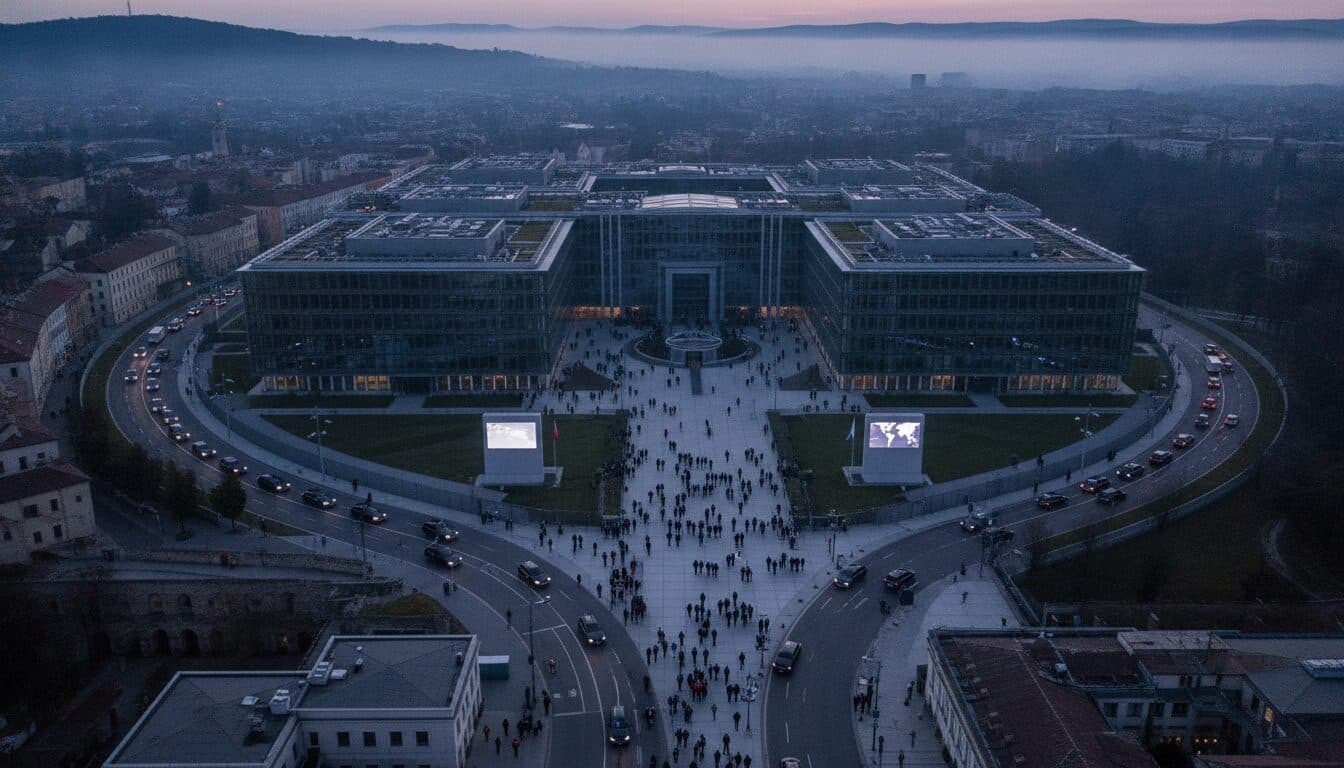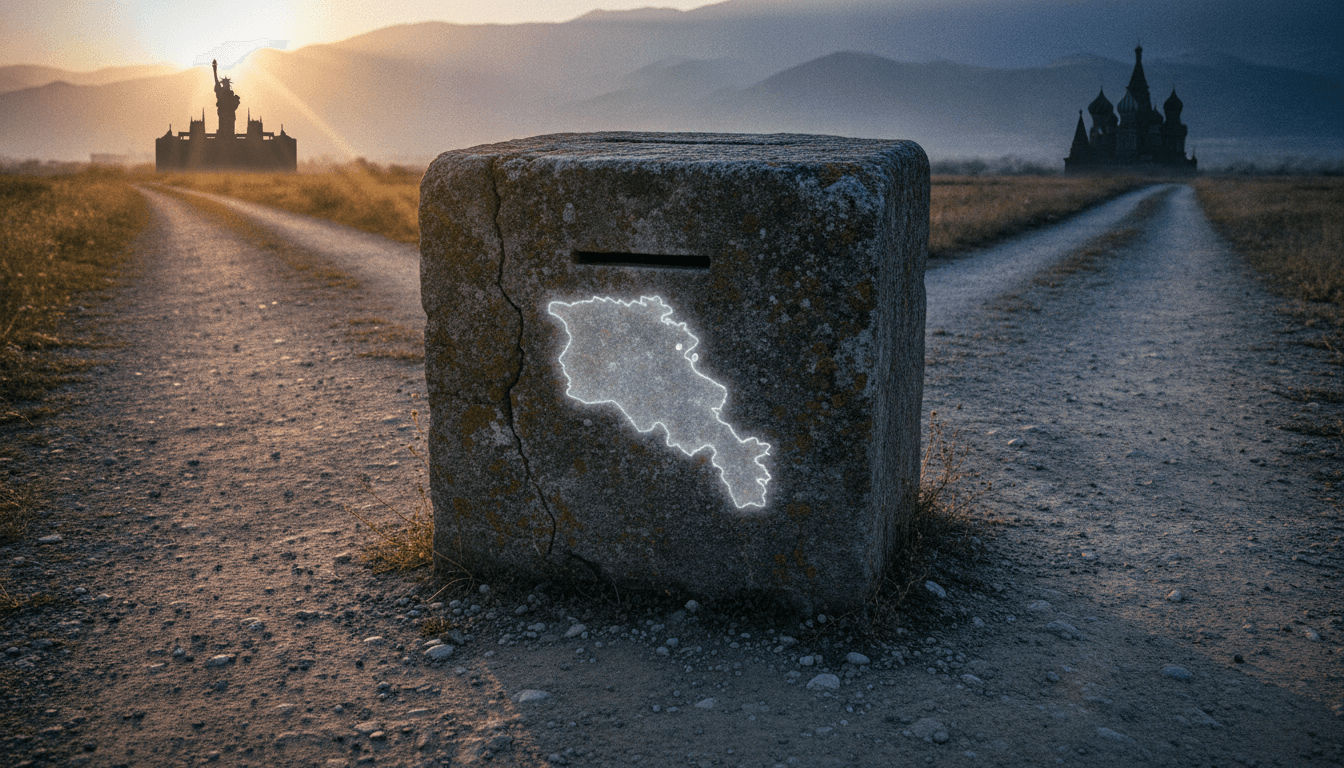
Armenia election focus on war and peace issues as the nation heads to the polls on June 7, 2026, marking the first general elections since 2021. This electoral cycle is profoundly shaped by the “traumatizing military defeat” in Nagorno-Karabakh in 2023, which saw Armenia lose control of the mountainous enclave it had held since the 1990s, leading to the displacement of over 100,000 ethnic Armenians. The political landscape is sharply divided between those advocating for peace and normalization and those demanding a stronger stance and a return to traditional alliances.
Prime Minister Nikol Pashinyan, leading the Civil Contract Party, is campaigning on a platform centered on the peace he has ostensibly brought to Armenia. His strategy involves acknowledging the loss of Nagorno-Karabakh and actively pursuing the normalization of relations with Azerbaijan and Turkey. A cornerstone of Pashinyan’s tenure has been a deliberate shift in foreign policy, termed “diversification,” aimed at distancing Armenia from its long-standing ally, Russia, and cultivating closer ties with Europe and the U.S. This strategic realignment has become a significant and divisive issue in the ongoing election.
The Contending Factions and International Involvement
The opposition vehemently criticizes Pashinyan’s approach, accusing him of making excessive concessions to Azerbaijan and, consequently, weakening the nation’s standing. Their platform advocates for repairing and strengthening relations with Russia, which has historically served as Armenia’s strategic ally. Moscow has reportedly signaled its support for opposition leader Samvel Karapetyan, a prominent Russian-Armenian billionaire, underscoring the geopolitical stakes of this election. The 2026 election has also been characterized by an “unprecedented amount of international involvement.” High-profile visits include U.S. Vice President JD Vance’s trip to Armenia in February, followed by U.S. President Donald Trump’s endorsement of Pashinyan. Furthermore, European officials have openly expressed their preference for Pashinyan’s Civil Contract party to secure victory, highlighting the West’s vested interest in Armenia’s trajectory.
The Nagorno-Karabakh conflict, rooted in an ethnic and territorial dispute between Armenia and Azerbaijan, has a long and tragic history. It escalated into full-scale wars in the early 1990s and again in 2020. The 2020 conflict concluded with a Russian-brokered ceasefire on November 10, 2020, which resulted in Azerbaijan regaining significant territories. Over decades, the conflict has claimed tens of thousands of lives and created hundreds of thousands of refugees, leaving an indelible mark on the region. The recent Armenia election focus on these profound historical scars.
“The 2026 Armenian election is not merely a domestic affair; it is a barometer of geopolitical shifts in the South Caucasus, where traditional alliances are being tested against new strategic imperatives for peace and stability.”
Armenia previously held snap parliamentary elections on June 20, 2021. These were triggered by a political crisis that erupted after the 2020 Nagorno-Karabakh War and an alleged coup attempt in February 2021. Pashinyan had resigned in April 2021 but continued as acting prime minister until those elections. His Civil Contract party emerged victorious, securing 53.95% of the vote and 71 out of 107 seats in the National Assembly. The opposition “Armenia Alliance,” led by Robert Kocharyan, came in second with 21.11% and 29 seats. Despite opposition claims of electoral fraud, the OSCE assessed the 2021 election as largely meeting international standards, suggesting a precedent for a competitive, albeit contentious, electoral process in 2026. The upcoming Armenia election focus on similar themes of national direction and leadership.
What’s Next for Armenia’s Geopolitical Alignment
The outcome of the June 7, 2026, election will have profound implications for Armenia’s future geopolitical alignment and its internal stability. A victory for Pashinyan’s Civil Contract party would likely solidify Armenia’s pivot towards Europe and the U.S., deepening its “diversification” strategy and potentially altering the regional balance of power. This shift could further strain relations with Russia, which views the South Caucasus as part of its traditional sphere of influence. Conversely, an opposition victory, particularly one supported by Moscow, could see Armenia attempting to mend ties with Russia and potentially recalibrate its approach to Azerbaijan and Turkey. The path to lasting peace in the region, including the full normalization of relations with Azerbaijan, remains fraught with historical grievances and complex security considerations, regardless of the election’s immediate result. The ongoing related world news articles frequently highlight the delicate balance Armenia must strike.
The international community, particularly the U.S. and Europe, will be closely watching the results, as Armenia’s strategic direction could influence broader stability in a region already characterized by simmering tensions. The election serves as a critical juncture for Armenia, determining whether it continues on a path of Western integration and regional normalization, or if it reverts to its traditional Russian-aligned posture. The economic ramifications of either choice, from trade agreements to security assistance, will be substantial. The upcoming Armenia election focus on these pivotal choices.
Key Takeaway
The June 7, 2026, general election in Armenia is far more than a routine democratic exercise; it is a national referendum on the country’s identity, its geopolitical future, and its strategy for coping with the devastating aftermath of the Nagorno-Karabakh conflicts. With foreign powers openly backing different factions and the specter of past wars looming large, the results will not only shape Armenia’s domestic policy but also reverberate across the South Caucasus, influencing regional stability and the intricate dynamics of global power projection.