Vietnam tourism growth in March 2026 has significantly strengthened the nation’s position as a top travel destination, marked by a robust increase in international visitors and tourism receipts. This surge underscores a powerful rebound and strategic success for Vietnam’s hospitality sector, solidifying its appeal on the global stage.
The Story: A March of Milestones for Vietnam Tourism
The latest data from March 2026 reveals a remarkable performance for Vietnam’s tourism industry. While specific figures for visitor numbers and revenue were not immediately disclosed, the reporting from Travel And Tour World on April 16, 2026, unequivocally highlights a period of strong expansion. This positive trajectory follows sustained efforts by the Vietnamese government and private sector to enhance infrastructure, diversify tourism products, and streamline entry processes for international travelers. The consistent positive news surrounding Vietnam tourism growth has been a key driver in attracting a broader demographic of visitors, from luxury travelers to adventure seekers, and cultural enthusiasts.
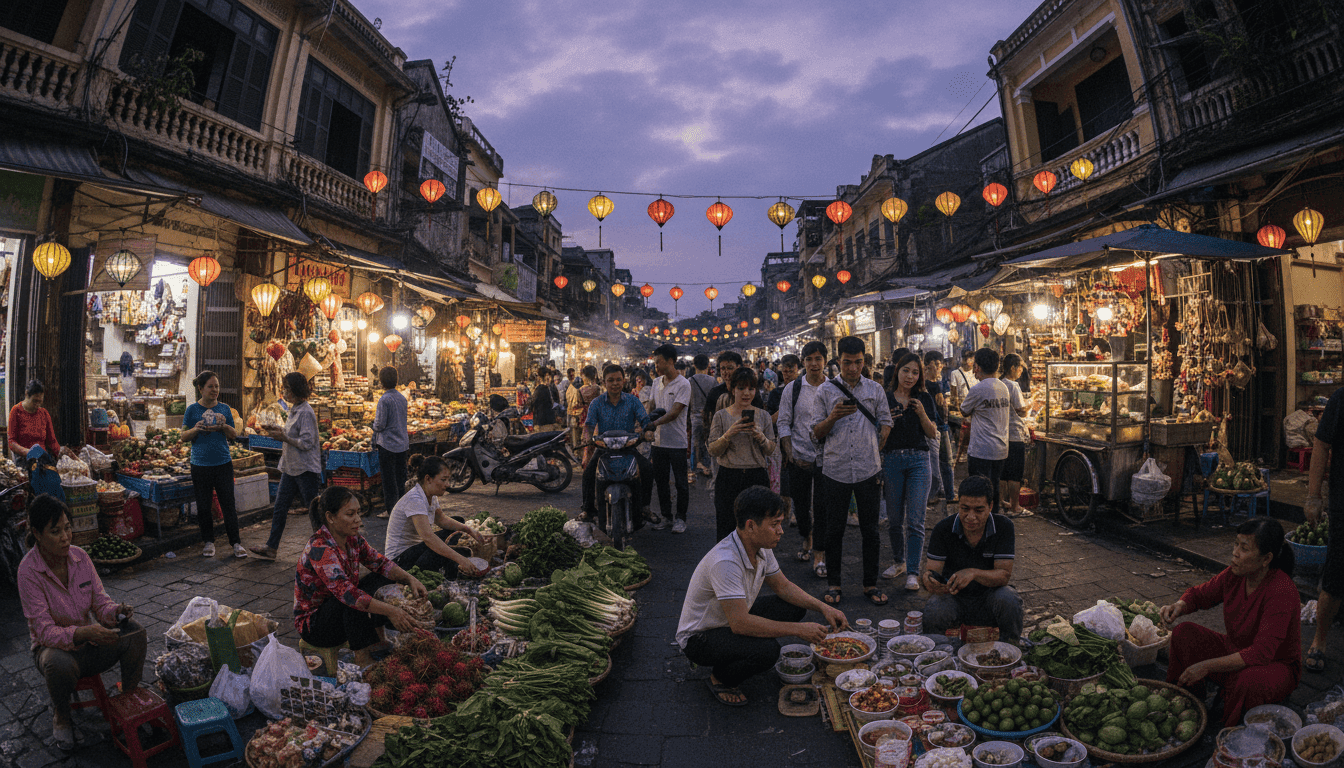
The success can be attributed to a multi-faceted approach. Strategic marketing campaigns have effectively showcased Vietnam’s diverse landscapes – from the bustling streets of Hanoi and Ho Chi Minh City to the serene beaches of Da Nang and the mystical karsts of Ha Long Bay. Furthermore, improvements in air connectivity and the development of new attractions have played a crucial role. This sustained momentum is not merely about attracting more tourists; it’s about fostering a sustainable and high-value tourism ecosystem that benefits local communities and preserves the country’s rich heritage.
“Vietnam’s consistent focus on quality and accessibility is clearly paying dividends, establishing it as a formidable contender in the highly competitive Southeast Asian travel market.”
Impact Analysis: Broadening Horizons for Regional Travel
The strong Vietnam tourism growth has far-reaching implications, extending beyond the nation’s borders to influence the broader travel and tourism landscape in Southeast Asia. As Vietnam solidifies its standing, it creates a ripple effect, encouraging other regional players to innovate and compete more effectively. This healthy competition can lead to enhanced visitor experiences, improved infrastructure, and a wider array of travel options across the region. For investors and businesses within the tourism sector, Vietnam presents an increasingly attractive market, promising sustained returns and opportunities for expansion.
Moreover, the influx of international visitors translates directly into economic benefits, supporting local businesses from hotels and restaurants to tour operators and artisanal craft makers. It drives job creation and stimulates investment in related industries, contributing significantly to Vietnam’s overall GDP. The emphasis on sustainable tourism practices, as seen in various initiatives across the country, also ensures that this growth is managed responsibly, mitigating potential negative impacts on the environment and local culture. For more insights into regional developments, explore our related travel & tourism articles.
Context & Background: A Journey of Resurgence
Vietnam’s current success is built upon a foundation of resilience and strategic planning. The nation has steadily been climbing the ranks of preferred global destinations, recovering robustly from previous global disruptions. Prior to 2020, Vietnam was already experiencing significant growth, with its natural beauty, vibrant culture, and culinary delights drawing increasing numbers of travelers. Post-pandemic, the country was among the first in the region to reopen its borders and implement traveler-friendly policies, demonstrating a proactive approach to tourism recovery.
This proactive stance, combined with ongoing investment in infrastructure projects like new airports and improved road networks, has been instrumental. Government initiatives aimed at promoting specific regions and types of tourism – such as eco-tourism, cultural heritage tours, and MICE (Meetings, Incentives, Conferences, and Exhibitions) tourism – have further diversified its appeal. The consistent positive reports on Vietnam tourism growth reflect a well-executed national strategy that prioritizes the sector as a key economic pillar.
What’s Next: Sustaining the Momentum
Looking ahead, the challenge for Vietnam will be to sustain this impressive momentum while managing the potential pressures of increased tourism. Future strategies will likely focus on enhancing destination management, promoting lesser-known regions to distribute visitor traffic, and investing further in digital transformation to improve traveler experiences. Decisions regarding visa policies, sustainable development goals, and infrastructure upgrades will be critical in shaping the next phase of growth.
Predictions indicate continued strong performance for Vietnam, especially as global travel patterns normalize and disposable incomes rise in key source markets. The focus will shift towards attracting higher-spending tourists and extending their length of stay, thereby maximizing tourism receipts per visitor. Vietnam’s commitment to preserving its natural and cultural assets will be paramount in ensuring that its appeal remains strong for generations to come, fostering a long-term, prosperous future for Vietnam tourism growth.
Key Takeaway: Vietnam’s Enduring Appeal
The remarkable Vietnam tourism growth in March 2026 reaffirms the nation’s enduring appeal and its strategic success in cultivating a thriving tourism industry. This strong performance is not merely a transient spike but a testament to Vietnam’s dedicated efforts in destination development, marketing, and visitor experience. As the country continues to invest in its tourism infrastructure and promote its unique cultural and natural heritage, it is poised to maintain its trajectory as a leading global travel destination, setting a high bar for excellence in the international travel market.