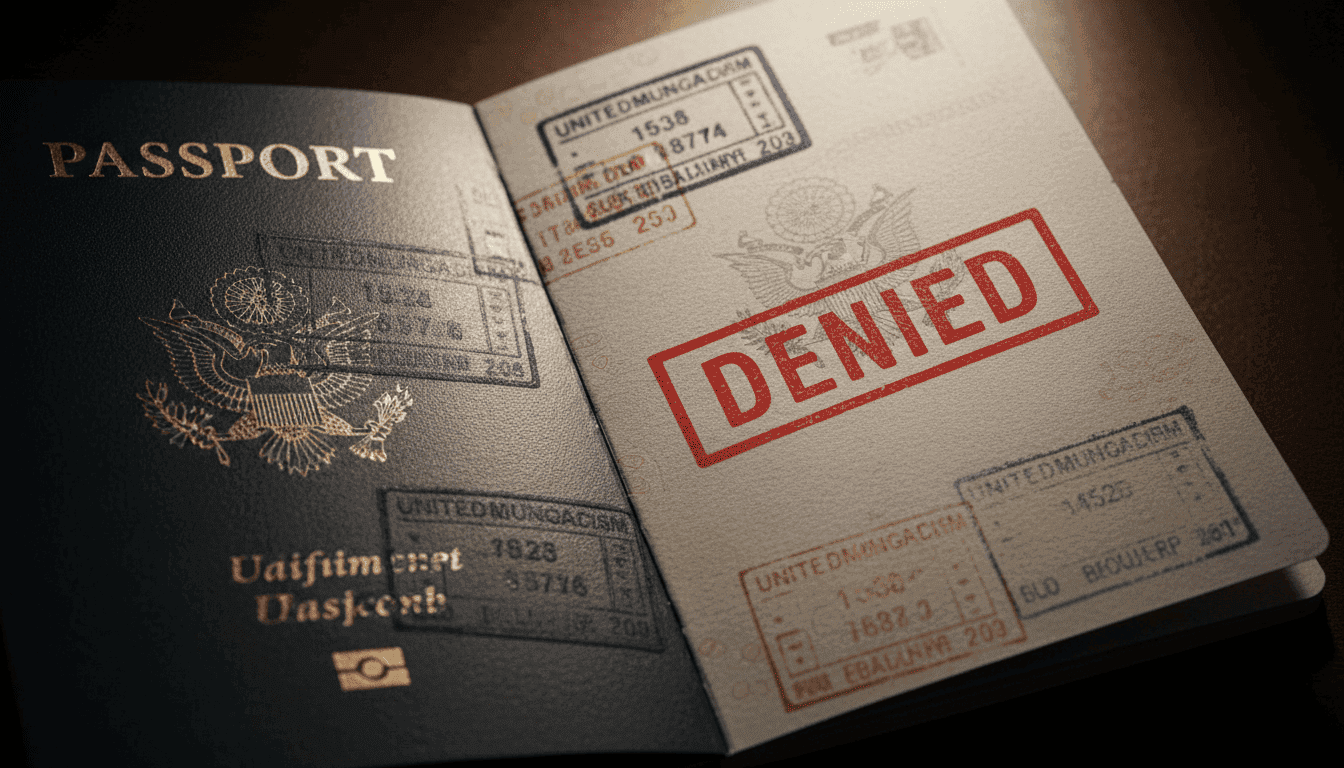
US visa restrictions shake up travel plans dramatically for citizens of adversarial countries, following an announcement on Sunday, April 19, 2026. This significant policy shift, reported by Travel And Tour World, signals a tightening of borders and a re-evaluation of international travel permissions, particularly impacting nations deemed to be in opposition to US interests.
The expanded visa restrictions represent a bold move by the United States, effectively slamming the door shut on individuals from a growing list of countries. While specific nations were not detailed in the initial report, the phrasing “adversarial countries” strongly implies a geopolitical underpinning to these new regulations. The immediate consequence is a period of uncertainty and disruption for countless individuals, ranging from business travelers and students to families planning reunions and tourists dreaming of American holidays. This policy is set to reshape inbound travel demographics and necessitate a rapid adjustment from both travelers and the global tourism industry.
Impact Analysis: Broader Travel & Tourism Landscape
The ripple effects of these US visa restrictions shake up travel plans not just for those directly affected, but for the entire global travel and tourism ecosystem. Airlines that operate routes to the US from these unspecified ‘adversarial’ nations will likely see a sharp decline in passenger numbers, leading to potential route cancellations or reduced frequencies. This could translate into significant financial losses for carriers already navigating a complex post-pandemic recovery. Hospitality sectors in key US gateway cities, which often rely on international visitors, may also experience a downturn in bookings and revenue. Tour operators specializing in US-bound travel from these regions will face immediate challenges in re-strategizing their offerings or pivoting to alternative destinations.
Furthermore, the move could prompt retaliatory measures from affected countries, leading to reciprocal visa restrictions for US citizens. This tit-for-tat scenario would further complicate international travel, creating a more fragmented and politicized global tourism environment. The cruise industry, which often sees international passengers embarking from US ports, could also feel the pinch. The economic implications extend beyond direct tourism spending, affecting ancillary services such as retail, transportation, and cultural institutions that benefit from international visitors. Related travel & tourism articles have previously highlighted the delicate balance between national security and economic openness in global travel.
“This policy shift is not merely a bureaucratic adjustment; it’s a geopolitical statement that will have tangible, immediate consequences for airlines, hotels, and the countless small businesses that thrive on international tourism,” remarked a leading industry analyst.
Context & Background: A Shifting Global Paradigm
This development does not occur in a vacuum. The decision to implement US visa restrictions shake up travel plans against “adversarial countries” reflects a growing global trend towards nationalistic policies and heightened geopolitical tensions. In recent years, several major powers have increasingly used travel and trade restrictions as tools of foreign policy. While the specifics of previous US visa policies have always been subject to review, the explicit targeting of “adversarial countries” with expanded restrictions marks a more direct and assertive stance. The post-pandemic era has also seen nations prioritize border control and national security with renewed vigor, often citing public health concerns or national interest as justifications for stricter entry requirements. This latest move appears to be an escalation of these trends, signaling a more protectionist approach to border management.
What’s Next: Future Implications and Predictions
The immediate future will likely involve a period of intense diplomatic activity as affected nations respond to these US visa restrictions shake up travel plans. The travel industry will be watching closely for further details on which countries are specifically included and the exact nature of the expanded restrictions. Airlines and tour operators will need to quickly adapt their business models, exploring new markets or focusing on domestic tourism to offset potential losses. We can anticipate a surge in demand for legal and immigration advice as individuals attempt to navigate the new landscape. There is also the possibility that other allied nations might follow suit with similar restrictions, creating a domino effect that further isolates certain countries from global travel networks. Decisions regarding exemptions for specific categories of travelers, such as those with critical business or humanitarian needs, will be crucial in mitigating some of the broader impacts. For more insights into global travel policy changes, refer to our ongoing coverage.
Key Takeaway: Why This Matters
The announcement of expanded US visa restrictions shake up travel plans for adversarial countries is more than just a procedural change; it is a significant geopolitical maneuver with profound implications for global travel and tourism. It underscores the increasing intertwining of foreign policy and border control, where international mobility is becoming a leverage point in diplomatic relations. For the travel industry, this means a future where geopolitical stability and diplomatic relations play an even more critical role in shaping market dynamics and passenger flows. Businesses must now factor in political risk more heavily than ever before when planning investments and strategies, as the accessibility of key markets can change dramatically overnight.