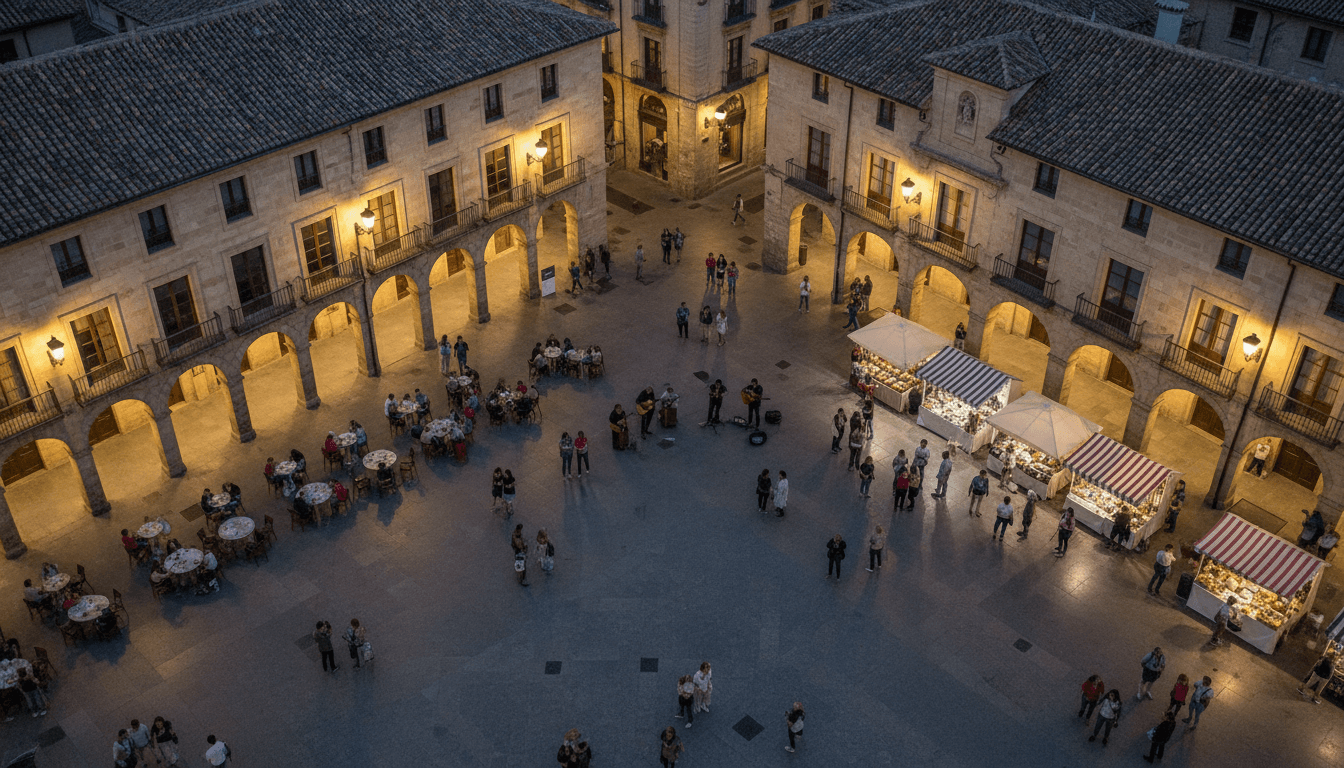
Experiential nightlife trends are dramatically reshaping Spain tourism, pushing the nation’s popular destinations to a new crossroads as visitor behavior evolves. This significant shift, highlighted by analysis on Friday, April 17, 2026, signals a departure from traditional mass tourism models, prompting a reevaluation of strategies across Europe’s most visited locales.
The Evolving Landscape of Spanish Tourism
The core of this transformation involves a fundamental change in what travelers seek from their evening activities. Who is involved? Essentially, millions of global travelers, particularly younger demographics and those seeking authentic, immersive experiences, are driving this change. What happened is a gradual but accelerating pivot away from purely transactional, high-volume nightlife towards more curated, culturally integrated, and unique offerings. This includes everything from gastronomic tours extending into the late hours, to immersive cultural performances, and boutique bars focusing on local produce and unique ambiances, rather than just high-energy clubs.
This shift in experiential nightlife trends is not merely a preference but a powerful economic indicator. Destinations that adapt quickly stand to gain a competitive edge, attracting a more discerning and potentially higher-spending tourist segment. Conversely, those clinging to outdated models risk losing market share and facing increased local resistance due to overcrowding and noise pollution associated with conventional nightlife.
Impact Analysis: Redefining Spain Tourism
The broader travel and tourism landscape is feeling the ripple effects. For Spain, a country heavily reliant on its tourism sector, this means a necessary pivot in infrastructure, marketing, and policy. Regional governments and local businesses are now tasked with understanding and catering to these nuanced demands. The impact extends beyond just bars and clubs; it influences accommodation choices, local transportation, and even the types of events and festivals promoted.
“The move towards experiential tourism, particularly in nightlife, signifies a maturation of the global traveler’s palate. It demands a more thoughtful and sustainable approach from destinations like Spain,”
one industry analyst observed. This transition also presents an opportunity for smaller, less-known towns and regions within Spain to develop unique experiential offerings, thereby decentralizing tourism and distributing its economic benefits more widely. This can alleviate the pressure on traditional hotspots that have long grappled with overtourism.
Context & Background: A Shifting Tide
Historically, Spain’s tourism appeal has often been synonymous with its vibrant, often boisterous, nightlife, particularly in coastal resorts and major cities. The sun-and-sand model, complemented by readily available entertainment, attracted millions for decades. However, the seeds of change were sown years ago with a growing global consciousness around sustainable travel, authentic experiences, and a desire to connect more deeply with local cultures. The pandemic further accelerated this introspection, with many travelers emerging with a renewed appreciation for quality over quantity, and a greater emphasis on unique, memorable moments.
Industry trends across Europe already point to a broader movement away from generic tourism. Cities like Berlin and Lisbon have long championed unique cultural experiences, and Spain is now catching up, or rather, being compelled to evolve. The debate sparked across Europe’s popular destinations underscores a universal challenge: how to balance economic growth from tourism with the preservation of local culture and environmental sustainability. The rise of experiential nightlife trends is a microcosm of this larger philosophical shift.
What’s Next for Spain’s Nightlife?
Looking ahead, the future implications for Spain are significant. Expect to see increased investment in cultural programming, innovative culinary experiences, and localized entertainment options. Policymakers will likely explore new regulations that encourage responsible tourism and support businesses that align with these evolving visitor behaviors. There may be a push for more diverse offerings that cater to different age groups and preferences, moving beyond a one-size-fits-all approach.
Upcoming decisions will likely involve public-private partnerships aimed at developing new tourism products. Predictions suggest a strong emphasis on digital platforms to promote these unique experiences, leveraging technology to connect travelers with authentic local offerings. The goal will be to create a more resilient and diversified tourism economy, less susceptible to the whims of fleeting trends and more aligned with long-term sustainability goals. Spain’s ability to adapt to these experiential nightlife trends will be crucial for its continued success in the global tourism market.
Key Takeaway: The Imperative to Innovate
Why this matters is profound: Spain is at a critical juncture where embracing innovation in its tourism offering, particularly within its nightlife, is no longer optional but essential for sustained growth and relevance. The shift towards experiential demands a holistic approach, integrating local culture, sustainability, and unique storytelling into every aspect of the visitor experience. For more insights into evolving travel patterns, explore our related travel & tourism articles on sustainable tourism and destination management. This evolution is not just about attracting new visitors, but about creating a more meaningful and mutually beneficial relationship between travelers and the destinations they choose to explore, setting a precedent for other global tourism powerhouses.