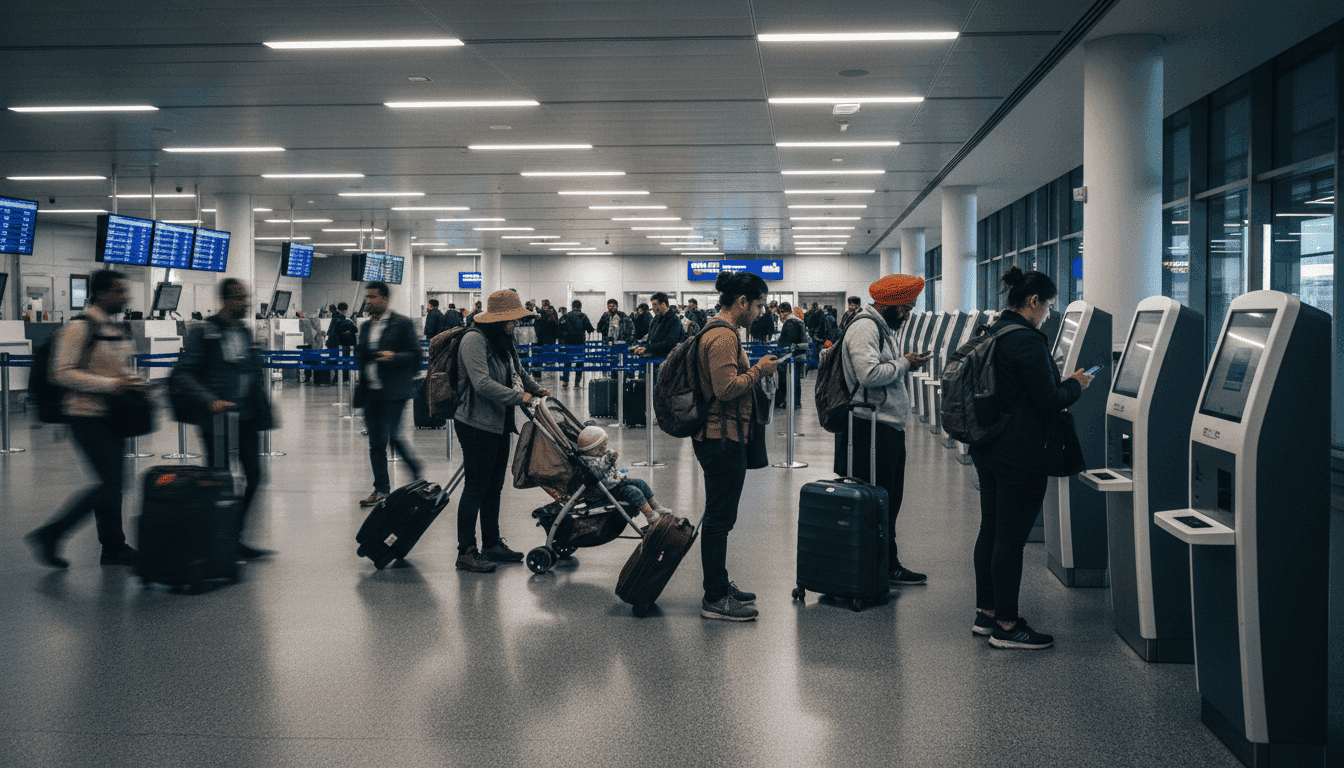
Affordable air travel in the US is becoming increasingly accessible, as a recent analysis highlights the pivotal role of budget airlines, strategic booking tips, and passenger-friendly facilities in making flying more economical for millions. Published on Tuesday, April 14, 2026, by Travel And Tour World, this comprehensive overview underscores a significant shift in the domestic aviation landscape, offering travelers concrete strategies to navigate the often-complex world of airfare.
The report, titled ‘Unlocking Affordable Air Travel in the US Budget Airlines, Booking Tips, and Passenger Friendly Facilities: All You Need To Know,’ meticulously details the various facets contributing to this affordability. It identifies budget carriers as the primary catalyst, emphasizing their no-frills models that prioritize lower base fares by unbundling services. This approach allows passengers to customize their travel experience, paying only for what they need, from checked luggage to in-flight meals. Beyond the airlines themselves, the analysis delves into consumer-centric strategies, such as the optimal timing for booking flights, leveraging price comparison websites, and understanding fare structures to avoid hidden costs. Furthermore, it touches upon the evolution of airport facilities designed to enhance the overall passenger journey, even on a budget, though specific examples were not detailed in the available summary.
Impact Analysis
The implications of this enhanced accessibility to affordable air travel are far-reaching for the broader travel and tourism landscape. For consumers, it translates into increased opportunities for domestic exploration, potentially stimulating regional economies that rely on tourism. Destinations previously considered cost-prohibitive for many can now become viable options, leading to a more diversified distribution of tourist traffic across the country. This trend also pressures full-service carriers to re-evaluate their pricing strategies and service offerings, fostering a more competitive market environment beneficial to the traveler.
From an industry perspective, the success of budget airlines and the emphasis on smart booking practices signal a maturing market where value and transparency are increasingly paramount. The rise of budget travel necessitates innovation not just in pricing, but also in operational efficiency and customer service, as these carriers strive to maintain profitability while keeping fares low. The focus on ‘passenger friendly facilities’ also suggests a holistic approach to travel affordability, recognizing that the airport experience itself contributes significantly to perceived value, even when flying on a budget.
“The democratization of air travel, driven by budget airlines and informed consumer choices, is fundamentally reshaping how Americans plan and undertake their journeys, injecting new dynamism into the domestic tourism sector.”
Context & Background
The narrative of affordable air travel in the US has been a long and evolving one. Historically, air travel was often seen as a luxury, primarily accessible to business travelers or affluent leisure seekers. The deregulation of the airline industry in the late 1970s paved the way for new entrants and more competitive pricing, but it wasn’t until the advent and expansion of modern budget airlines in the last two decades that truly widespread affordability became a reality. Companies like Southwest Airlines pioneered the low-cost model, and subsequent carriers have refined and intensified this competition. Previous trends have shown a consistent demand for lower fares, often at the expense of traditional amenities, indicating a strong market preference for cost savings. This current analysis builds on that history, affirming that the market has not only adapted but is now thriving on these budget-conscious principles, with travelers becoming savvier about how to secure the best deals.
What’s Next
Looking ahead, the trajectory for affordable air travel in the US appears set for continued growth and innovation. We can anticipate further advancements in booking technologies, potentially including AI-driven tools that predict optimal booking times with even greater accuracy. Budget airlines are likely to continue expanding their networks, reaching new secondary markets and increasing competition on existing routes. The emphasis on ‘passenger friendly facilities’ could also lead to more widespread adoption of self-service technologies, streamlined security processes, and enhanced amenities within terminals that cater to the budget-conscious traveler. Regulatory bodies may also face increasing pressure to ensure fair competition and consumer protection as the market evolves. The ongoing dynamic between legacy carriers and budget airlines will be a key determinant of future pricing structures and service innovations in the coming years.
Key Takeaway
The core message from Travel And Tour World’s April 14, 2026, report is clear: affordable air travel is not just a fleeting trend but a solidified reality in the US, driven by a confluence of dedicated budget carriers, informed consumer choices, and an evolving airport infrastructure. This shift represents a significant opportunity for individuals to explore more of the country and for the tourism industry to reach a broader demographic. Understanding these dynamics is crucial for anyone looking to optimize their travel budget and for businesses operating within the expansive travel and tourism sector.