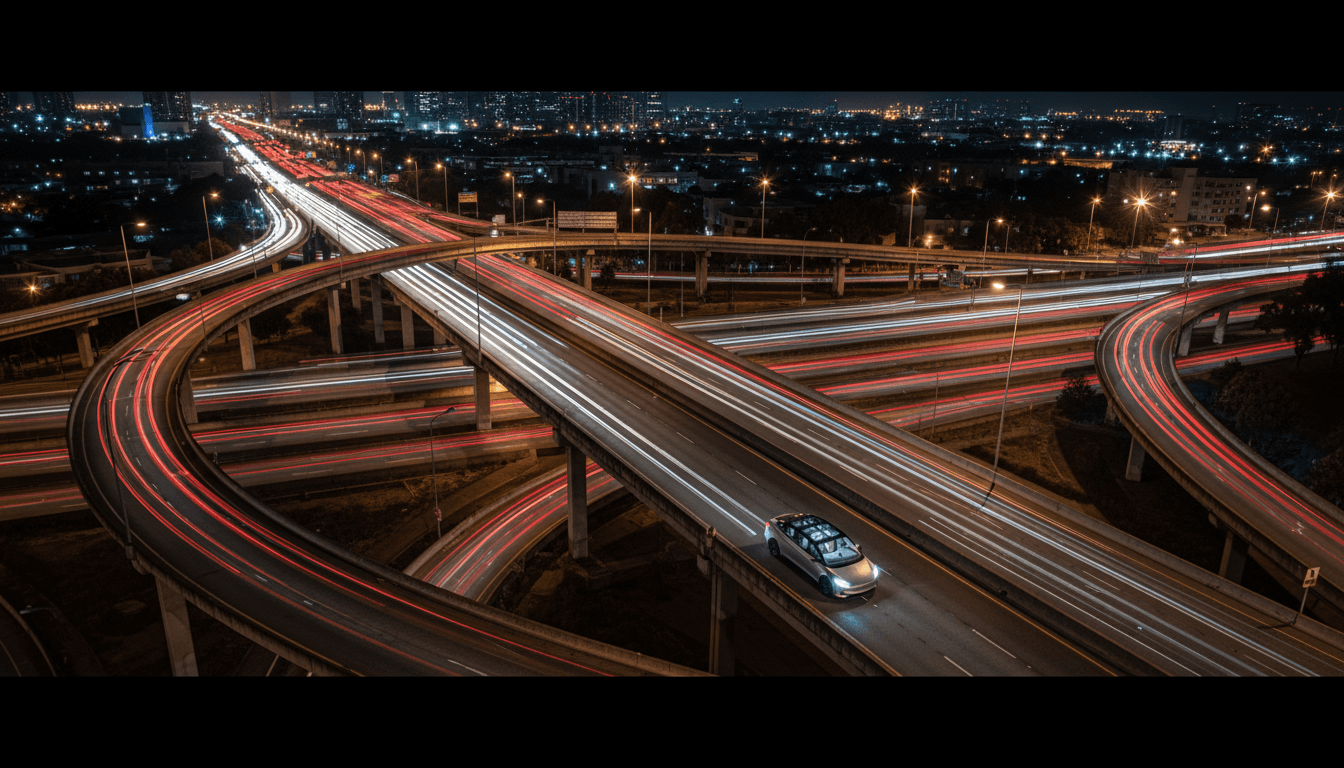
Tesla Robotaxi service is now rolling out in Dallas and Houston, marking a significant expansion for the electric vehicle giant’s autonomous driving ambitions. This development, confirmed via a social media post from the company on Sunday, April 19, 2026, includes a brief 14-second video showcasing Tesla vehicles navigating urban environments without human monitors or drivers in the front seat. The move signals Tesla’s accelerated push into the lucrative robotaxi market, potentially reshaping urban transportation in two major Texan cities.
The Drive Towards Full Autonomy
Tesla’s strategy has long centered on achieving full self-driving capabilities, with CEO Elon Musk frequently highlighting the potential of an extensive robotaxi network. This latest deployment in Dallas and Houston underscores the company’s confidence in its FSD (Full Self-Driving) technology, moving beyond beta testing in select areas to broader commercial availability. The implications for ride-sharing services and personal vehicle ownership could be profound, as the convenience and cost-effectiveness of autonomous transport become more accessible.
“The expansion of Tesla’s robotaxi service into major metropolitan areas like Dallas and Houston is a critical step towards mainstream autonomous vehicle adoption, challenging traditional transportation models.”
Impact on Urban Mobility and Investment
The introduction of the Tesla Robotaxi service in these bustling Texan cities could significantly alter urban mobility patterns. Commuters might find a more efficient and potentially cheaper alternative to traditional taxis and ride-sharing apps. From an investment perspective, this expansion could bolster investor confidence in Tesla’s long-term vision, particularly regarding the monetization of its advanced software and AI capabilities. The ability to generate substantial recurring revenue from a fully autonomous fleet is a key component of Tesla’s valuation narrative.
As the service becomes established, we can expect a close watch on its safety record, operational efficiency, and public acceptance. The regulatory landscape for autonomous vehicles is still evolving, and successful deployments in major cities will undoubtedly influence future policy decisions. This expansion also puts pressure on competitors in the autonomous vehicle space, pushing them to accelerate their own development and deployment timelines. Investors should monitor related Tech news for updates on regulatory frameworks and competitive responses.
Future Outlook for Tesla Robotaxi Service
The strategic choice of Dallas and Houston, two rapidly growing urban centers with diverse transportation needs, suggests a calculated move to test and scale the Tesla Robotaxi service in complex environments. This rollout is likely a precursor to further expansions across the United States and potentially globally. The data collected from these new operational areas will be invaluable for refining the FSD software, enhancing safety, and optimizing service delivery. For consumers, it promises a glimpse into the future of personal and public transportation, where the act of driving becomes optional, and mobility is redefined by intelligent, self-operating vehicles.
Tesla’s bold move to deploy its robotaxi service in Dallas and Houston marks a pivotal moment in the autonomous vehicle industry. It solidifies the company’s position at the forefront of self-driving technology and sets the stage for a transformative shift in urban transportation and the broader automotive market.