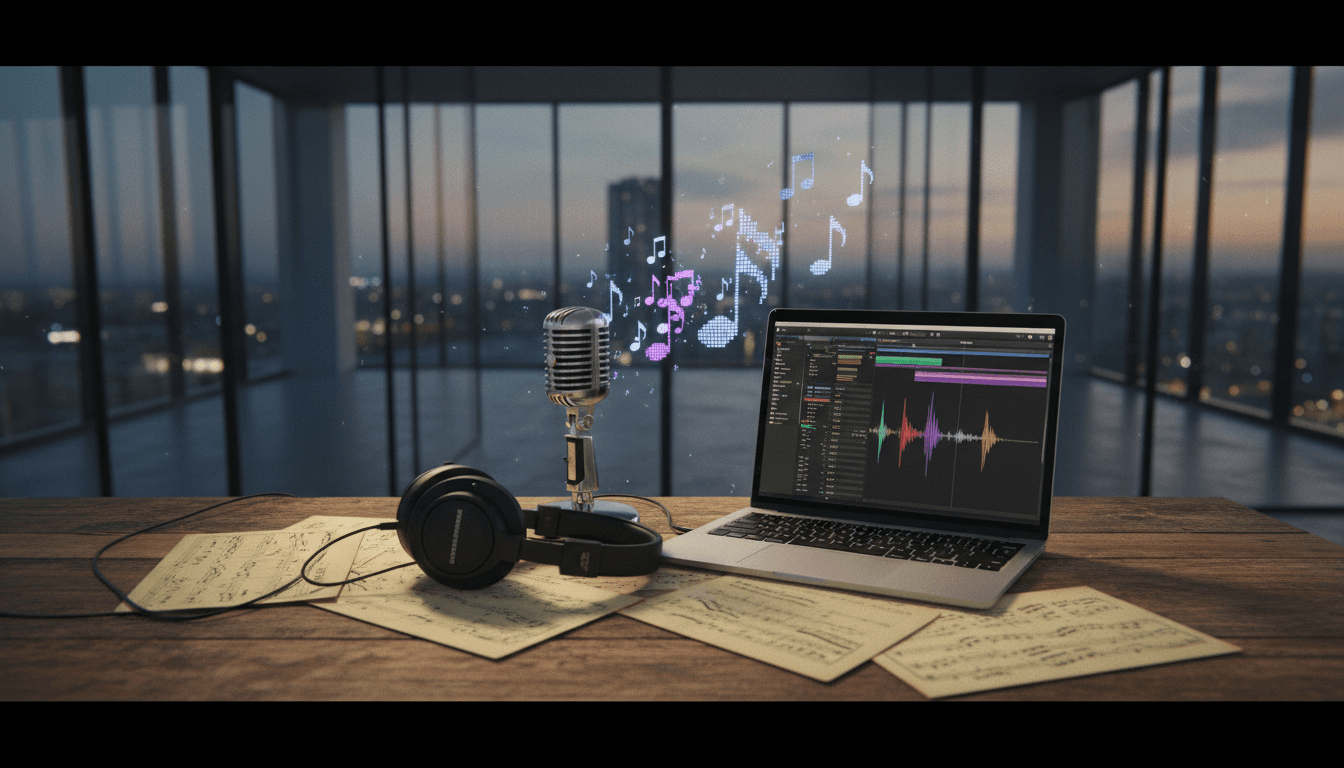
Shocking AI music fakes have emerged as a significant threat to artists, as folk musician Murphy Campbell recently discovered herself at the center of a brewing storm involving artificial intelligence and a broken copyright system. Campbell, known for her renditions of public domain ballads, found multiple AI-generated versions of her songs uploaded to streaming platforms like Spotify and YouTube Music under her own name, despite never having authorized or performed these specific recordings.
In January, Campbell noticed several unfamiliar tracks on her Spotify profile. While the songs were ones she had previously recorded and shared on YouTube, the vocals sounded distinctly ‘off’. Subsequent analysis using AI detectors suggested these tracks were indeed AI-generated, raising immediate concerns about digital identity theft and the unauthorized replication of artistic work. This incident highlights a critical vulnerability in the current digital music ecosystem, where advanced AI tools can mimic an artist’s style and voice with alarming accuracy, leading to fraudulent uploads.
The Unsettling Rise of AI Music Fakes
Campbell’s experience underscores a broader, unsettling trend in the music industry: the ease with which AI can be leveraged for illicit purposes. Her initial shock, as she relayed to The Verge, stemmed from the belief that ‘we had a little bit more checks in place before someone could just do that.’ This sentiment is echoed by many artists and industry observers who are grappling with the rapid evolution of AI technology and its implications for intellectual property. The ability for bad actors to generate and distribute AI music fakes under an artist’s name creates a labyrinthine challenge for creators attempting to control their digital presence and monetize their work.
The process of getting these fraudulent tracks removed proved arduous for Campbell. She described having to ‘become a pest’ to streaming platforms, a common complaint among artists facing similar issues. Even after significant effort, the victory was incomplete; while some tracks were eventually taken down from YouTube Music and Apple Music, at least one persisted on Spotify under a different artist profile, yet still bearing her name. This has led to the bizarre situation of ‘multiple Murphy Campbells’ existing on streaming services, a scenario that the real Campbell found anything but thrilling.
Navigating Copyright in the AI Era
The case of Murphy Campbell also exposes the profound weaknesses in existing copyright enforcement mechanisms, particularly on large streaming platforms. Despite her songs being public domain ballads, the issue here isn’t necessarily copyright infringement of the original compositions, but rather the unauthorized use of her unique performance and vocal likeness to create new, AI-derived versions. YouTube’s initial acceptance of a copyright claim on these AI-generated fakes, even for public domain material, further highlights the systemic confusion and the platforms’ struggle to differentiate between legitimate content and AI-manipulated imitations.
“The ease with which AI can be leveraged for illicit purposes, combined with the slow response from platforms, creates a significant financial and reputational risk for artists.”
Industry responses have been slow to adapt. Spotify, for instance, is reportedly testing a new system that would allow artists to manually approve songs before they appear on their profiles. However, Campbell remains skeptical, having been ‘burned’ by the current system’s shortcomings. This incident serves as a stark reminder of the urgent need for robust technological solutions and clearer related Tech news policies to protect artists from digital impersonation and the proliferation of AI music fakes.
Financial and Reputational Risks for Artists
Beyond the immediate frustration, the proliferation of AI music fakes poses tangible financial and reputational risks for artists. Unauthorized uploads can dilute an artist’s brand, confuse fans, and divert potential earnings from legitimate streams. For independent musicians like Campbell, who often rely on streaming revenue and direct fan engagement, such incidents can be particularly damaging. The current landscape necessitates a proactive approach from platforms, developers, and policymakers to establish safeguards that preserve artistic integrity and ensure fair compensation in the age of generative AI.
The Murphy Campbell saga is a stark warning for the music industry and beyond. As AI technology continues to advance, the challenges of distinguishing authentic human creativity from sophisticated algorithmic mimicry will only intensify. Protecting artists from AI music fakes requires a concerted effort to enhance digital verification, refine copyright enforcement, and empower creators with greater control over their digital identities and intellectual property.