The **section 230 debate** is raging as the controversial law turns 30 years old, facing unprecedented challenges that could reshape the internet as we know it. Enacted as part of the Communications Decency Act, Section 230 has survived the dot-com bubble and a Supreme Court challenge, but now faces threats from lawmakers and legal challenges that could narrow its scope.
The law, often called “the twenty-six words that created the internet,” shields online platforms from liability for user-generated content. Specifically, it states that “No provider or user of an interactive computer service shall be treated as the publisher or speaker of any information provided by another information content provider.” This protection has fostered innovation and free speech online, but it has also drawn criticism for allegedly enabling the spread of harmful content.
Former Rep. Dick Gephardt, who voted for Section 230 in 1996, now regrets his decision. He argues that lawmakers at the time did not understand the power of algorithms and their ability to manipulate users. Gephardt and others advocate for a bill to sunset Section 230 in two years, forcing lawmakers and tech companies to find workable reforms.
“It would force platforms, websites to remove third-party content. This is content created by everyday Americans.”
The Core of the Section 230 Debate
Sen. Ron Wyden, a co-author of Section 230, disagrees with calls for its repeal. He believes that repealing the law would empower powerful figures like former President Trump to control online speech. Wyden argues that Section 230 protects smaller platforms and marginalized groups, giving them a voice online. He recalls crafting the law with former Rep. Chris Cox to address concerns that platforms would be held liable for user content if they moderated it.
Defenders of Section 230 argue that it incentivizes platforms to moderate content and prevent the internet from becoming a cesspool of harmful material. They also worry that without Section 230, platforms would be pressured to remove content that the government finds objectionable. Amy Bos, VP of government affairs at NetChoice, emphasizes that Section 230 protects content created by everyday Americans.
Upcoming Legal Battles
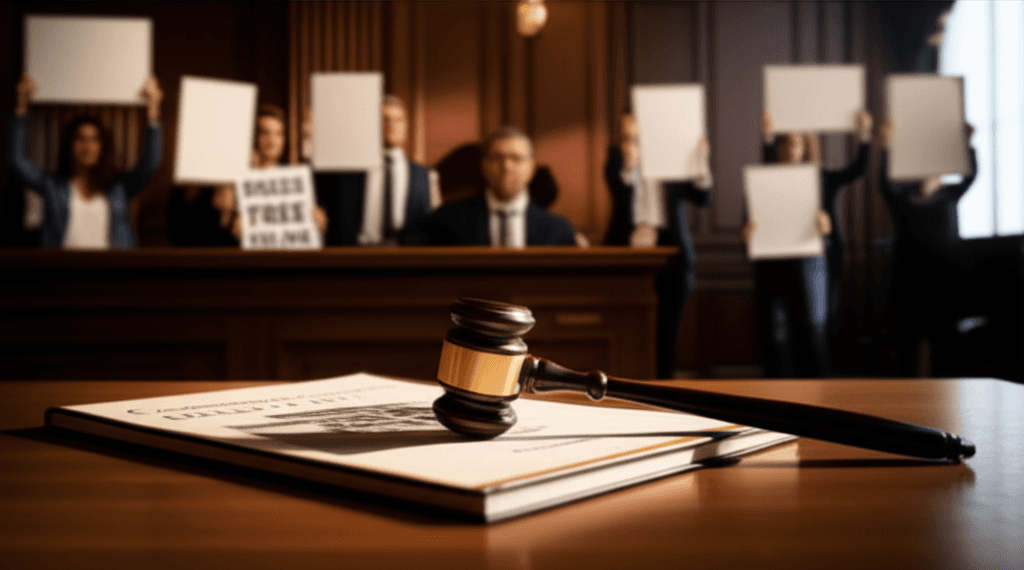
Opponents of Section 230 argue that it unfairly protects large tech companies that benefit from its protections. While Section 230 typically shields platforms from lawsuits, several cases are going to trial this year that could reshape its scope. These cases involve allegations of child exploitation and social media addiction, giving juries the opportunity to determine what constitutes negligence on the part of platforms.
These legal battles could lead the Supreme Court to revisit Section 230 and clarify its application in the modern digital landscape. Dani Pinter, chief legal officer of the National Center on Sexual Exploitation (NCOSE), believes that courts have misinterpreted Section 230, granting tech companies immunity in cases where they should be held accountable. Some believe that amending Section 230 is the only way to protect consumers and encourage responsible behavior by the tech industry. The future of Section 230 and its impact on the internet remain uncertain, with significant implications for free speech, online safety, and the tech industry. For related Tech news, continue reading our coverage.
Potential Outcomes and Reform
The debate surrounding Section 230 highlights the complex challenges of regulating the internet in the 21st century. Finding a balance between protecting free speech and holding platforms accountable for harmful content is a difficult task. Any changes to Section 230 could have far-reaching consequences for the internet, impacting everything from social media to online commerce.
As the law faces its biggest tests yet, the outcome of these debates and legal challenges will shape the future of online speech and the responsibilities of tech companies. The **section 230 debate** is unlikely to be resolved anytime soon, as stakeholders on both sides continue to advocate for their respective positions.
“I think we need to take 230 away, rewrite it to restart the clock.”
Source: The Verge