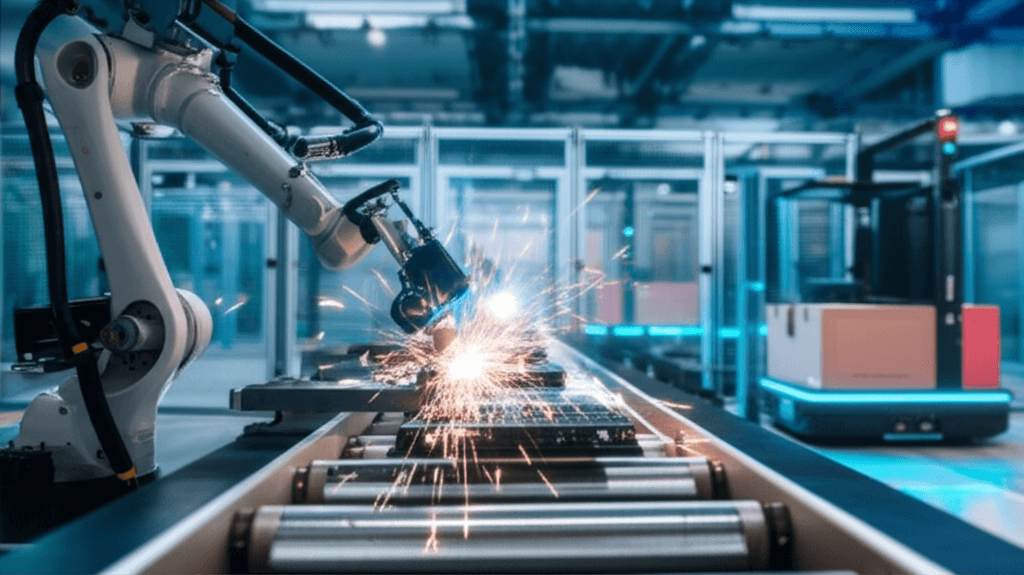
The **physical AI robotics** project Intrinsic is now under Google’s control, marking a significant shift in Alphabet’s strategy. After five years as an independent unit within Alphabet’s “Other Bets” division, Google is folding Intrinsic into its core business, signaling a renewed focus on physical AI and robotics integration.
Intrinsic, which previously operated as a separate entity developing software to simplify robot programming and operation, will now collaborate closely with Google DeepMind. This collaboration aims to leverage Google’s advanced Gemini AI models and extensive cloud resources to accelerate advancements in robotics.
Google’s Growing Robotics Ambitions
This move comes after DeepMind absorbed Alphabet’s Everyday Robotics division in 2023 and subsequently launched AI models designed to enhance robots’ physical task performance. The acquisition of Intrinsic further solidifies Google’s position as a major player in the burgeoning field of physical AI and robotics.
Details surrounding the purchase remain undisclosed, but both companies emphasize that Intrinsic will function as a “distinct group within Google.” This suggests a degree of autonomy will be maintained, allowing Intrinsic to continue its innovative work while benefiting from Google’s vast resources and expertise. The intent is to create an “Android”-like operating environment for a wide range of robotic applications. This initiative could potentially revolutionize industries by making it easier to deploy and manage robots for various tasks. related Tech news
The Future of Physical AI
The integration of Intrinsic into Google’s infrastructure signifies a critical step toward realizing the potential of physical AI. By combining Intrinsic’s software expertise with Google’s AI capabilities, the company aims to unlock new possibilities in robotics, enabling robots to perform more complex and adaptable tasks. Google’s move to bring the **physical AI robotics** project in-house is clearly a bold one.
Impact on Industry and Innovation
The potential implications of this acquisition extend far beyond Google’s internal operations. By creating a more accessible and user-friendly robotics platform, Google could empower businesses across various sectors to adopt robotic solutions more readily. This could lead to increased automation, improved efficiency, and the development of innovative new applications for robots.
“The move marks a strategic shift as Google doubles down on physical AI and pulls experimental projects closer to its core business.”
Strategic Implications of the Physical AI robotics Project
This strategic decision highlights Google’s long-term vision for AI and its commitment to investing in cutting-edge technologies. By bringing Intrinsic under its wing, Google is positioning itself to lead the way in the development and deployment of intelligent robots that can transform industries and improve lives. The **physical AI robotics** field is about to get a lot more interesting with Google now taking full control of Intrinsic. The development of the **physical AI robotics** sector will be closely watched by investors and competitors alike. The move to incorporate the **physical AI robotics** project will likely accelerate Google’s progress in this area.
In conclusion, Google’s acquisition of Intrinsic represents a major milestone in the evolution of physical AI and robotics. By integrating Intrinsic’s expertise with its own AI capabilities, Google is poised to unlock new possibilities for intelligent robots and drive innovation across industries. This move underscores Google’s commitment to shaping the future of AI and its potential to transform the world.