Oscars ban AI actors and scripts, rendering them ineligible for the prestigious Academy Awards, the Academy of Motion Picture Arts and Sciences announced on Friday, May 1, 2026. These new rules will apply to submissions for the 99th Academy Awards, scheduled for March 14, 2027, marking a significant stance against the growing influence of artificial intelligence in filmmaking.
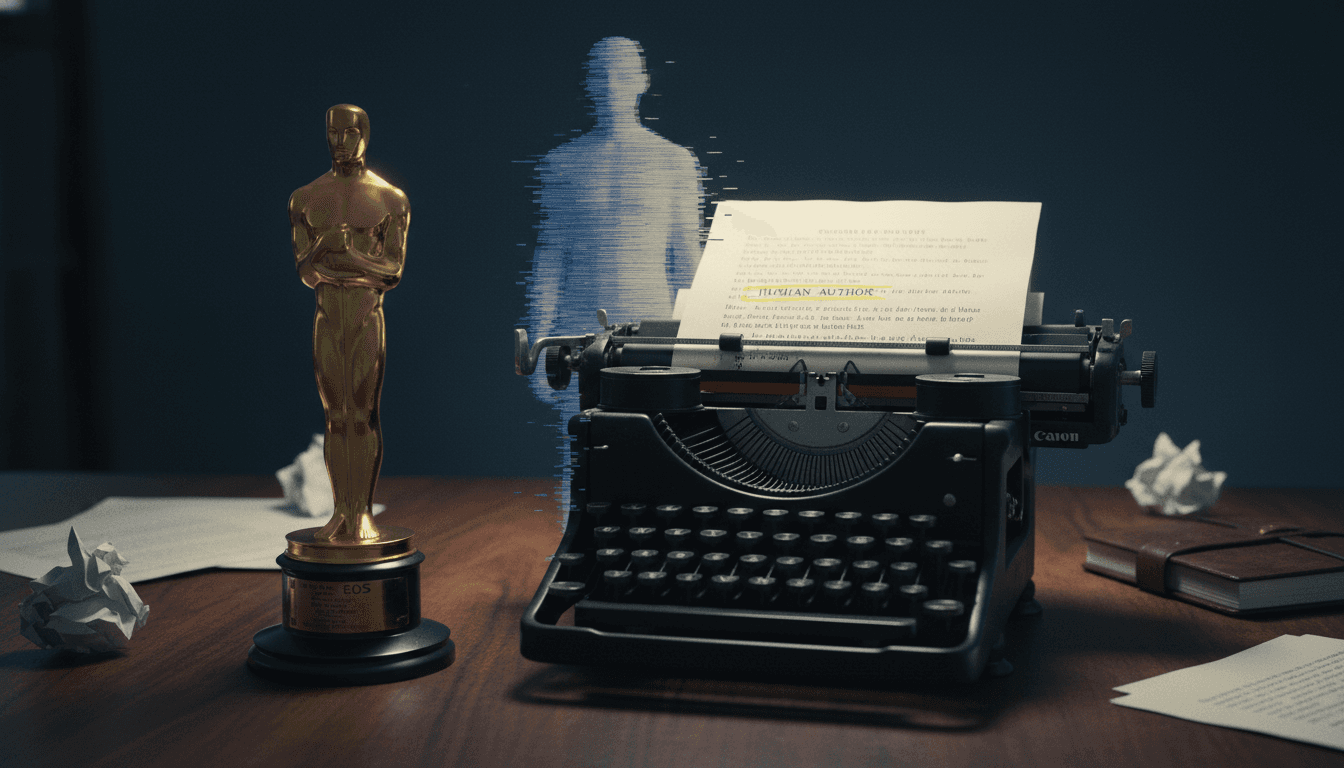
The Academy’s decision directly impacts emerging AI creations like Tilly Norwood, an AI-generated actress who had garnered both attention and controversy. Under the updated guidelines, performances must be “demonstrably performed” by humans with their consent to be eligible for acting awards. Similarly, screenplays must be “human-authored” to qualify for writing categories. The Academy emphasized that “humans have to be at the center of the creative process” and that human authorship will always be central to their awards eligibility.
While AI tools can still be utilized in filmmaking for aspects like visual effects or production workflows, they are now explicitly barred from replacing human actors or writers in award-eligible roles. The Academy also reserves the right to request additional information from filmmakers to verify the extent of human involvement when AI tools are employed.
Why the Academy is Drawing a Line in the Sand
This pivotal decision comes amidst escalating concerns within the film industry regarding the increasing use of artificial intelligence and its potential impact on human creativity and jobs. The topic of AI-driven content was a central issue during the 2023 actors’ and writers’ strikes in Hollywood, where unions vehemently raised concerns about labor rights and consent in the age of generative AI. The Academy’s clarification aims to reduce ambiguity in awards adjudication and directly addresses ongoing debates over consent, estate rights, and the legal status of synthetic likenesses. The ruling also follows the recent unveiling of an AI version of the late actor Val Kilmer for a film, which further intensified questions about AI’s role in performances.
“Creativity is, and should remain, human-centered,” stated SAG-AFTRA, reflecting the industry’s sentiment against fully autonomous AI creations.
The Tilly Norwood Controversy and Industry Backlash
Tilly Norwood, created in 2025 by Xicoia (the AI division of Particle6 Group), became a significant focal point in this contentious debate. Her creator, Eline Van der Velden, ambitiously aimed for Norwood to be “the next Scarlett Johansson or Natalie Portman” of the AI genre, even claiming that using Norwood could cut production costs by an astonishing 90%. However, the concept of an AI actress sparked widespread backlash from Hollywood actors and unions like SAG-AFTRA, who emphatically stated that “Tilly Norwood is not an actor, it’s a character generated by a computer program.” This incident underscored the deep-seated resistance to AI replacing human talent, leading directly to the Academy’s decision to clarify eligibility criteria.
Oscars Ban AI Actors: What it Means for Filmmakers
For filmmakers, this new ruling means a clear distinction must be made between using AI as a tool to enhance human creativity and allowing it to usurp fundamental creative roles. While visual effects artists might still leverage AI for complex CGI, and production teams could use it for scheduling or resource management, the core elements of performance and storytelling must remain undeniably human. This ensures that the Oscars continue to celebrate human artistry and ingenuity, reinforcing the value of the human element in cinematic storytelling. The Academy’s move sets a precedent for how traditional industries grapple with technological advancements, prioritizing human craft over algorithmic generation.
The Academy’s decisive action to establish that Oscars ban AI actors and scripts for awards eligibility sends a powerful message to the entertainment industry and beyond. It reaffirms the organization’s commitment to human creativity and performance, ensuring that the most coveted awards in cinema continue to celebrate the unique and irreplaceable contributions of human artists in an increasingly AI-driven world.