Live Nation settlement developments emerged Monday as the Department of Justice announced a tentative agreement in its high-profile antitrust lawsuit against the entertainment giant and its subsidiary, Ticketmaster. The agreement, disclosed during a trial in Manhattan federal court, effectively spares Live Nation Entertainment from a government-mandated breakup—a structural remedy that had been the primary objective of the lawsuit filed back in May 2024. While the company avoids being dismantled, the settlement imposes a series of financial and operational constraints designed to temper its market dominance.
The Structural Impact of the Live Nation Settlement
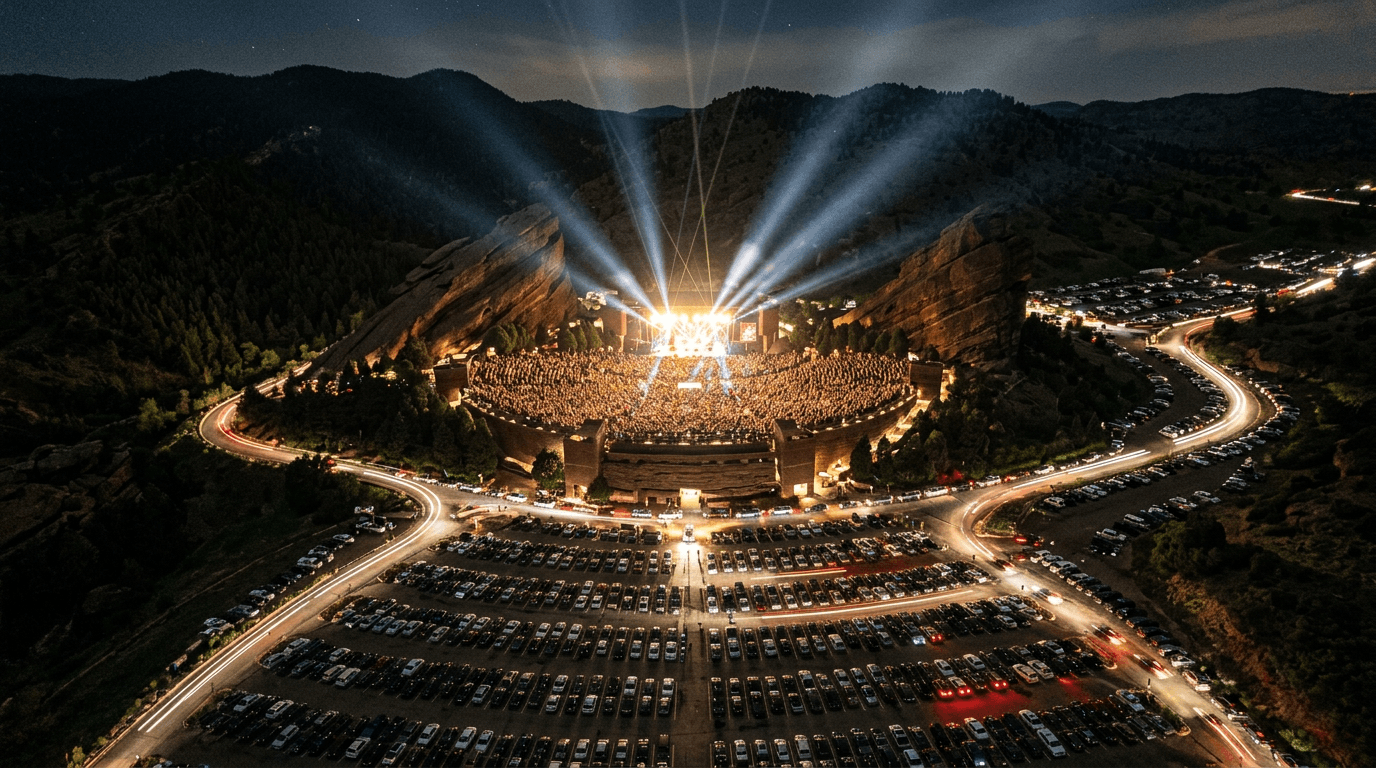
Under the proposed deal, Live Nation will remain a unified entity but must adhere to significant structural and financial penalties. The company has agreed to pay up to $280 million in civil penalties and damages to participating states. Furthermore, the company is required to divest at least 13 amphitheaters across the United States. This move is intended to reduce its consolidated control over live event venues and provide more opportunities for independent promoters to operate in key markets.
Technology sharing is another cornerstone of the agreement. Ticketmaster must now open its proprietary technology to allow rival ticketing companies, such as SeatGeek, to list and sell tickets directly through its platform. This transparency is expected to foster a more competitive environment in the related Tech news space, where Ticketmaster has long held a near-impenetrable advantage. Additionally, the settlement imposes a four-year cap on exclusivity contracts between Ticketmaster and venues, alongside a “50-50 split” rule. This rule dictates that venues can only enter exclusive arrangements for up to 50% of their tickets, leaving the remainder open to third-party sellers.
“The settlement fails to address the monopoly at the center of this case and benefits the company at the expense of consumers.”
State Attorneys General Launch Bipartisan Opposition
Despite the DOJ’s endorsement of the deal, the Live Nation settlement faces intense opposition from a bipartisan coalition of state attorneys general. Led by New York Attorney General Letitia James and District of Columbia Attorney General Brian Schwalb, a group of 27 attorneys general—including representatives from California, Connecticut, Illinois, and Washington—has refused to sign the agreement. These officials argue that the measures are insufficient to dismantle the underlying monopoly that they believe stifles competition and inflates prices for music fans.
Attorney General James has been particularly vocal, suggesting that the proposed divestitures and fee caps do not go far enough to protect the public. These dissenting states intend to proceed with their portion of the lawsuit, seeking a full court-ordered divestiture of Ticketmaster from Live Nation. This creates a fragmented legal landscape where the federal government may settle while more than two dozen states continue to fight for a total corporate separation.
Judicial Frustration and Consumer Protections
The announcement of the Live Nation settlement drew a sharp rebuke from U.S. District Judge Arun Subramanian. The judge expressed significant frustration regarding the timing of the disclosure, noting that a term sheet had been signed as early as Thursday, March 5. However, the court and the jury were not informed of the progress until late Sunday night, just as the trial was set to proceed. Judge Subramanian characterized the delay as a “disrespect for the court,” though he acknowledged that the trial would continue for the states that have not joined the settlement.
For consumers, the deal offers some immediate relief regarding pricing. Service fees at Live Nation-owned amphitheaters will now be capped at 15% of the ticket price. While this provides a clearer ceiling on costs, critics remain skeptical that these caps will offset the broader pricing power held by the company. The legal battle, which stems from the 2010 merger of Live Nation and Ticketmaster, has long been a flashpoint for critics who argue the merger created an illegal monopoly that retaliates against independent venues and drives up costs.
Ultimately, the Live Nation settlement represents a compromise that provides immediate regulatory relief but leaves the long-term structure of the live entertainment industry in a state of uncertainty. While the DOJ views this as a “win-win” for the market, the ongoing resistance from a majority of states ensures that the debate over competition in the music industry is far from over. The final outcome will likely depend on whether the remaining litigation can force the deeper structural changes that the federal settlement avoided.