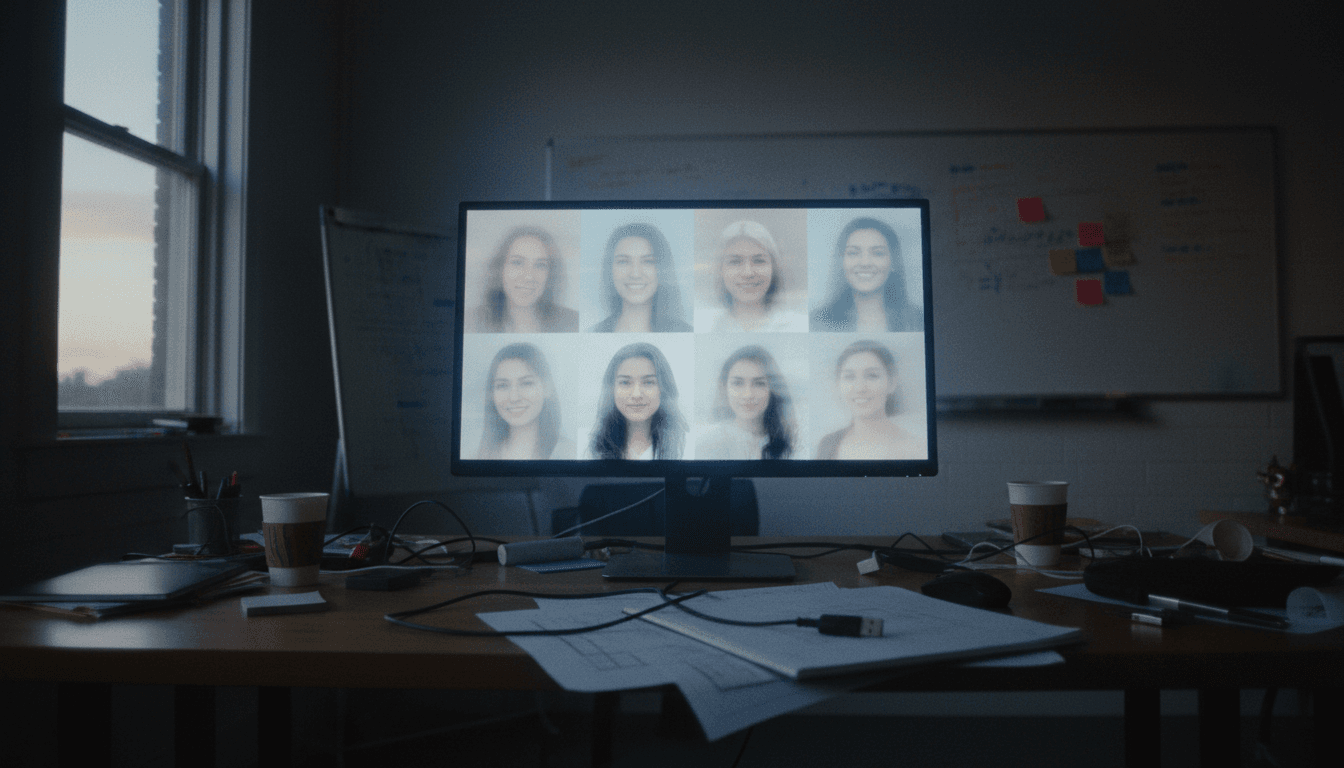
Iranian women executed photos, initially presented by former President Donald Trump as proof of his intervention saving eight women from execution, have ignited a complex debate regarding their authenticity and the increasing role of artificial intelligence in shaping public narratives. On Wednesday, President Trump claimed to have secured the release of eight Iranian women condemned to execution for protesting the regime. Only the night before, he had posted on Truth Social about the imminent executions of these women, quoting a screenshot that included a collage of eight glamorously backlit, soft-focus portraits. The images, while seemingly depicting real individuals, have quickly drawn scrutiny from digital forensics experts and tech journalists alike.
The Digital Deception Behind the Claims
The controversy surrounding these images highlights a growing challenge in the digital age: discerning reality from sophisticated manipulation. Experts analyzing the portraits noted several tell-tale signs of AI generation, including unusual lighting patterns, repetitive facial features among different subjects, and a certain uncanny valley effect that often accompanies synthetic media. This isn’t the first instance of AI-generated content being deployed in high-stakes political narratives, but the direct claim of saving these specific individuals based on potentially fabricated visuals adds a new layer of ethical complexity. The immediate and widespread sharing of these images, prior to any verification, underscores the speed at which unverified information can spread and gain traction, particularly when amplified by prominent figures.
Unpacking the Authenticity of Iranian Women Executed Photos
Further investigation into the supposed rescue of the Iranian women executed photos reveals a troubling blend of fact and fiction. While the plight of women protesting in Iran is undeniably real and deserves global attention, the specific narrative presented by Trump, complete with visually compelling but potentially manufactured evidence, raises serious questions about the strategic use of AI in political communication. The Financial Standard has been tracking similar trends in related Tech news, where AI’s capabilities are increasingly being leveraged for both benign and deceptive purposes. The incident serves as a stark reminder that even seemingly authentic visual evidence must be critically examined, especially when it accompanies claims of significant political intervention.
“The blend of real-world suffering and AI-generated imagery creates a powerful, yet potentially misleading, narrative that demands rigorous scrutiny.”
Implications for Media and Public Trust
The incident surrounding the Iranian women executed photos carries significant implications for media literacy and public trust. As AI tools become more accessible and sophisticated, the ability to generate convincing but entirely fictitious content will only increase. This makes the role of critical journalism and digital verification more crucial than ever. The public’s capacity to differentiate between genuine documentation and AI-manipulated imagery is rapidly diminishing, creating fertile ground for misinformation campaigns. This particular event underscores how easily emotionally charged narratives can be constructed and disseminated, blurring the lines between humanitarian concerns and political grandstanding.
The saga of the Iranian women executed photos serves as a potent case study in the evolving landscape of information and disinformation. It demonstrates how AI manipulation can intertwine with real-world events, creating narratives that are both compelling and deeply misleading. For individuals and institutions alike, the imperative to verify and critically assess visual information has never been stronger, especially when such images are used to support claims of significant political or humanitarian impact.