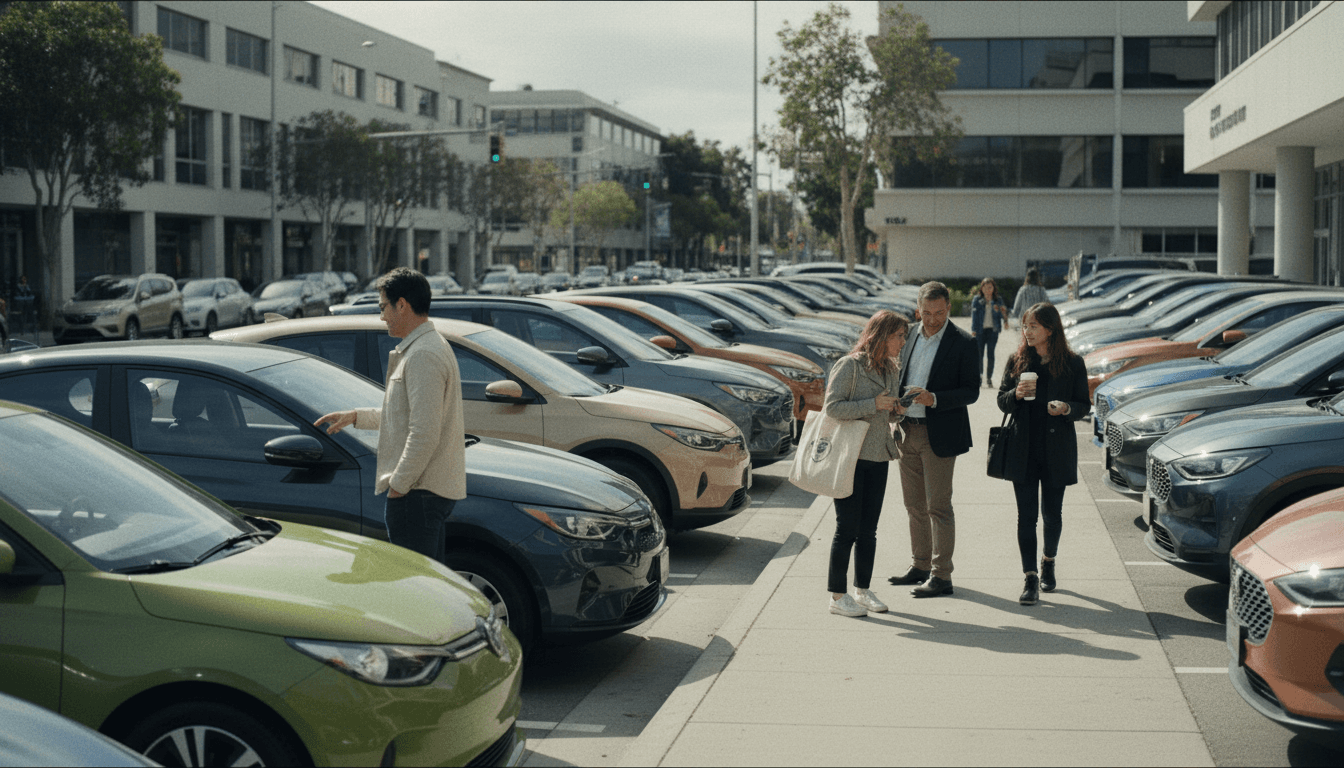
An influx of used EVs could drive down prices dramatically over the next three years, transforming the accessibility of electric vehicles for a wider consumer base. The initial high cost of electric cars has long been a significant barrier to broader adoption, but market dynamics are shifting rapidly as a wave of leased vehicles return to the market.
In 2025, a relatively modest 123,000 EV leases expired. However, this figure is projected to more than double to 300,000 in 2026, and then double again to an astonishing 600,000 in 2027. This exponential growth in returning leased vehicles creates a substantial supply of pre-owned electric cars, poised to significantly impact the used car market.
The Accelerating Supply of Pre-Owned EVs
The impending surge in available used electric vehicles marks a pivotal moment for the industry. As original owners complete their lease terms, these well-maintained, relatively new EVs will enter the secondary market, offering a more affordable entry point for consumers hesitant to commit to the higher price tag of a brand-new model. This increased supply directly addresses the demand for more budget-friendly EV options, potentially accelerating the transition away from internal combustion engines.
Industry analysts anticipate that this influx of used EVs will create a competitive environment among dealerships and private sellers. Consequently, prices are expected to decline across various models and brands, making electric mobility attainable for a broader demographic. This trend is crucial for the long-term sustainability and growth of the EV market.
Consumer Benefits and Market Transformation
For consumers, the benefits are clear: lower prices mean greater accessibility. A more affordable used EV market could spur a new wave of adoption, particularly among those who have been observing the EV trend from the sidelines due to cost concerns. This shift could also encourage more rapid turnover in the new EV market, as existing owners might find it easier to upgrade if their current vehicle retains a strong, albeit lower, resale value.
“The sheer volume of returning leased EVs is unprecedented and will fundamentally reshape the affordability landscape for electric vehicles,” states a leading automotive economist.
This market transformation isn’t just about individual vehicle prices; it’s about the entire ecosystem. Lower entry costs for EVs could boost the demand for charging infrastructure, maintenance services, and even battery recycling initiatives. The influx of used EVs is a catalyst for growth across the entire electric vehicle value chain.
Impact on New EV Sales and Innovation
While some might fear that a robust used EV market could cannibalize new car sales, the reality is often more nuanced. A healthy used market can actually support new car sales by providing a clear depreciation curve and a viable resale option, making the initial investment in a new EV less daunting. Furthermore, as technology advances rapidly, the availability of more affordable, slightly older models allows manufacturers to continue innovating and introducing cutting-edge vehicles, knowing there’s a strong secondary market for previous generations.
This dynamic ensures continuous innovation and a steady flow of new technology into the market, while simultaneously broadening access to electric transportation. The influx of used EVs is not just a temporary market anomaly; it represents a significant, long-term shift towards greater affordability and widespread adoption.
Influx of Used EVs: A Game Changer for Affordability
The projected increase in expiring EV leases represents a critical turning point for the electric vehicle market. With hundreds of thousands of pre-owned EVs entering the market over the next three years, the high cost barrier that has historically limited adoption is set to diminish significantly. This substantial related Tech news influx will not only drive down prices for consumers but also catalyze broader market transformation, fostering greater accessibility, innovation, and ultimately, accelerating the global transition to electric mobility. The future of affordable electric driving is rapidly approaching.