Gmail end-to-end encryption on mobile devices has been officially rolled out by Google, marking a significant advancement in email security for enterprise users. This new capability, announced on Friday, April 10, 2026, allows Android and iOS users to compose and read encrypted emails directly within the Gmail app without needing additional tools or portals. This move is poised to redefine how businesses and public sector entities handle sensitive communications, ensuring a higher standard of data privacy and regulatory compliance.
For the first time, users can now experience native end-to-end encryption (E2EE) within the familiar Gmail interface on their mobile devices. This eliminates the cumbersome process of downloading separate applications or navigating external mail portals, streamlining secure communication for professionals on the go. Google emphasizes that this user-friendly approach combines the highest levels of privacy and data encryption, benefiting a wide spectrum of clients from small businesses to large enterprises.
Enhancing Security for Enterprise Users
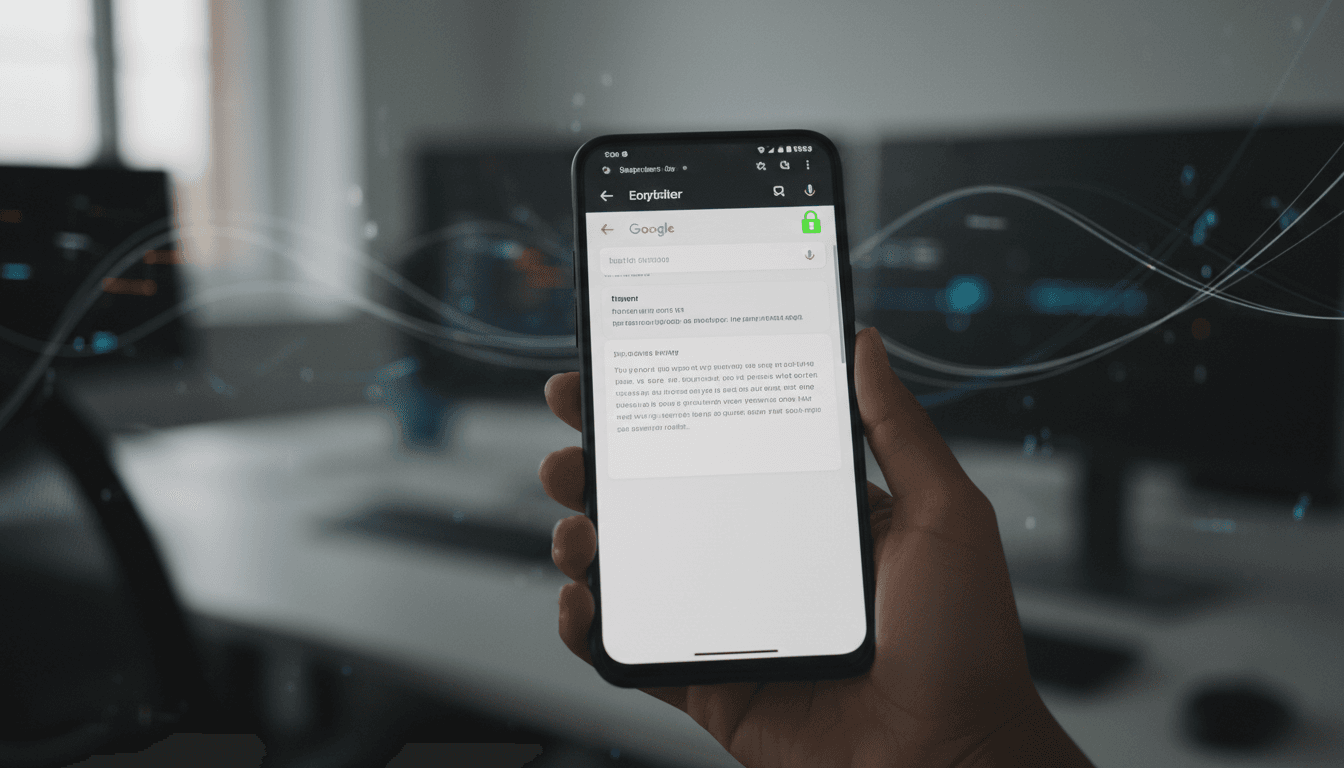
The rollout of Gmail end-to-end encryption on mobile devices is specifically available for client-side encryption (CSE) users holding Enterprise Plus licenses, along with the Assured Controls or Assured Controls Plus add-on. Administrators can enable Android and iOS clients through the CSE admin interface within the Google Admin Console. To initiate an encrypted message, Gmail users simply activate the ‘Additional encryption’ option by clicking the lock icon when composing an email. This simple step ensures that messages and attachments are encrypted on the client device before ever reaching Google’s servers, providing a robust layer of protection.
“This launch combines the highest level of privacy and data encryption with a user-friendly experience for all users, enabling simple encrypted email for all customers from small businesses to enterprises and public sector.”
This client-side encryption (CSE) framework is critical for organizations needing to meet stringent regulatory requirements, such as data sovereignty, HIPAA, and export controls. By keeping encryption keys outside of Google’s servers and encrypting data at the source, Google and third parties are prevented from accessing the content of these sensitive communications. This level of control is paramount for industries handling confidential information.
A Phased Rollout to Comprehensive Protection
The journey to full mobile E2EE began with initial beta tests of Gmail CSE on the web in December 2022, following earlier rollouts to Google Drive, Docs, Sheets, Slides, Meet, and Calendar. By February 2023, Gmail client-side encryption reached general availability for Google Workspace Enterprise Plus, Education Plus, and Education Standard customers. The company then expanded its new E2EE model to Gmail enterprise users in beta during April 2025, steadily building towards this comprehensive mobile integration. This methodical approach underscores Google’s commitment to robust security measures across its Workspace ecosystem.
The ability for enterprise users to send end-to-end encrypted emails to any recipient, regardless of their email service or platform, was also announced in October. This broad compatibility ensures that secure communication isn’t limited by the recipient’s chosen email provider, further enhancing its utility for businesses operating in diverse digital environments. This evolution of Gmail’s security features represents a pivotal moment for digital communication, offering unparalleled protection for sensitive financial and corporate data. For more insights into technological advancements impacting the financial sector, explore our related Tech news.
Implications for Financial Institutions
For financial institutions and other highly regulated industries, the widespread availability of Gmail end-to-end encryption on mobile devices is a game-changer. It addresses critical concerns regarding data breaches and compliance, allowing employees to communicate sensitive client information, financial reports, and strategic plans with greater confidence. The ease of use, coupled with the robust security framework, means that productivity no longer has to be sacrificed for security. This development sets a new benchmark for secure mobile communication in the enterprise landscape, promising enhanced trust and operational integrity.