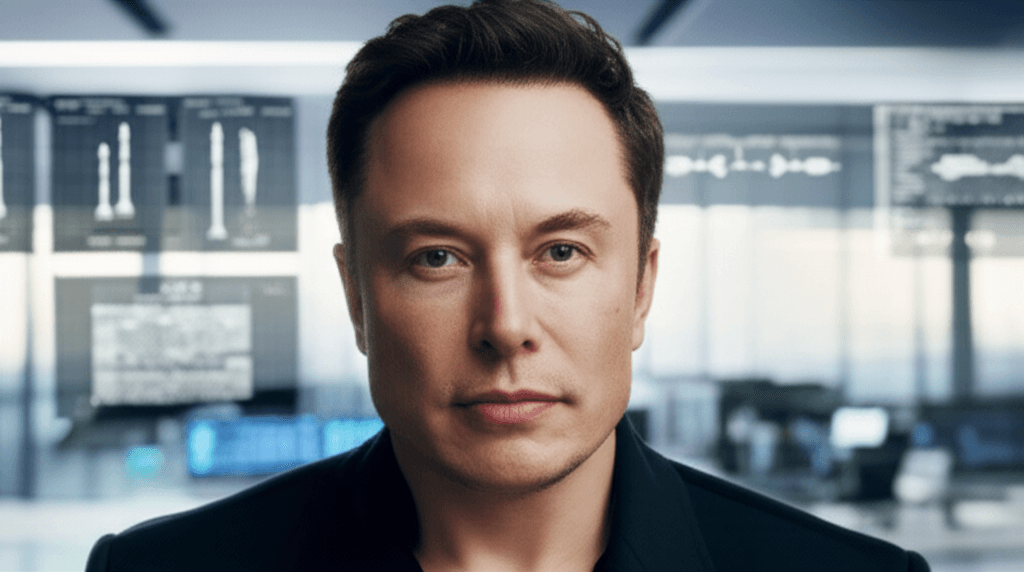
Founder power is being redefined by Elon Musk, as his recent merger of SpaceX and xAI signals a potential shift in Silicon Valley’s power dynamics. With a net worth rivaling historic giants and a strong belief in rapid innovation, Musk is not just building a conglomerate; he’s rewriting the rules.
According to a TechCrunch report, this move could be the blueprint for a new era of “everything” businesses, raising questions about whether other leaders like Sam Altman will follow suit. Musk’s actions challenge traditional corporate structures and raise important questions about the concentration of power in the hands of individual founders.
The Rise of Personal Conglomerates
The traditional corporate conglomerate may be giving way to a new model: the personal conglomerate. Elon Musk’s approach, characterized by his direct control and vision across multiple ventures, represents a significant departure from the diversified, often bureaucratic, structures of the past. This shift emphasizes agility, innovation speed, and a unified strategic direction dictated by a single, powerful individual.
Musk’s philosophy, as highlighted by TechCrunch, is that “tech victory is decided by velocity of innovation.” This suggests that the ability to rapidly develop and deploy new technologies is paramount, and a centralized, founder-led structure may be the most effective way to achieve this. This also ties into his continued drive towards automation, and AI integration within his companies. See related Tech news.
The Impact on Venture Capital and Startups
This trend has significant implications for venture capital and startups. Investors may increasingly prioritize founders with a clear vision and the capacity to build and manage complex, integrated businesses. Startups may need to adapt their strategies to align with the preferences of these powerful founder-led conglomerates, potentially leading to increased competition and a greater emphasis on disruptive innovation.
“Musk’s actions challenge traditional corporate structures and raise important questions about the concentration of power in the hands of individual founders.”
Elon Musk and Founder Power: A New Era?
The merger of SpaceX and xAI is a bold move, potentially consolidating resources and expertise to accelerate innovation in both space exploration and artificial intelligence. This could create synergies that would be difficult to achieve within separate organizations. For example, AI could be used to optimize space missions, while space-based infrastructure could provide the computing power needed for advanced AI research. The question remains, however, of the risk this concentrated power poses.
However, the concentration of power in the hands of a single individual also raises concerns about accountability and potential conflicts of interest. The success of this model will depend on Musk’s ability to effectively manage these challenges and maintain the trust of investors, employees, and the public. The rise of founder power is certainly a trend to watch, and it could reshape the landscape of the tech industry in the years to come.
The impact of founder power on the wider economy, and the implications for corporate governance are also worth considering. The level of influence that Elon Musk has is unprecedented, and it will be interesting to see whether other leaders follow his lead.
The TechCrunch report also highlights the potential for others like Sam Altman to adopt a similar model. This could lead to a further concentration of power within the tech industry, with a few individuals controlling vast empires of interconnected businesses. This could have both positive and negative consequences, potentially leading to faster innovation but also increasing the risk of monopolies and reduced competition. Indeed, founder power is something the market will be watching closely.
The founder power model is not without its risks. Over-reliance on a single individual can lead to poor decision-making, lack of diversity in perspectives, and increased vulnerability to unforeseen events. It is also important to consider the ethical implications of concentrating so much power in the hands of a few individuals. The founder power is also at risk of becoming a cult of personality.
Source: TechCrunch