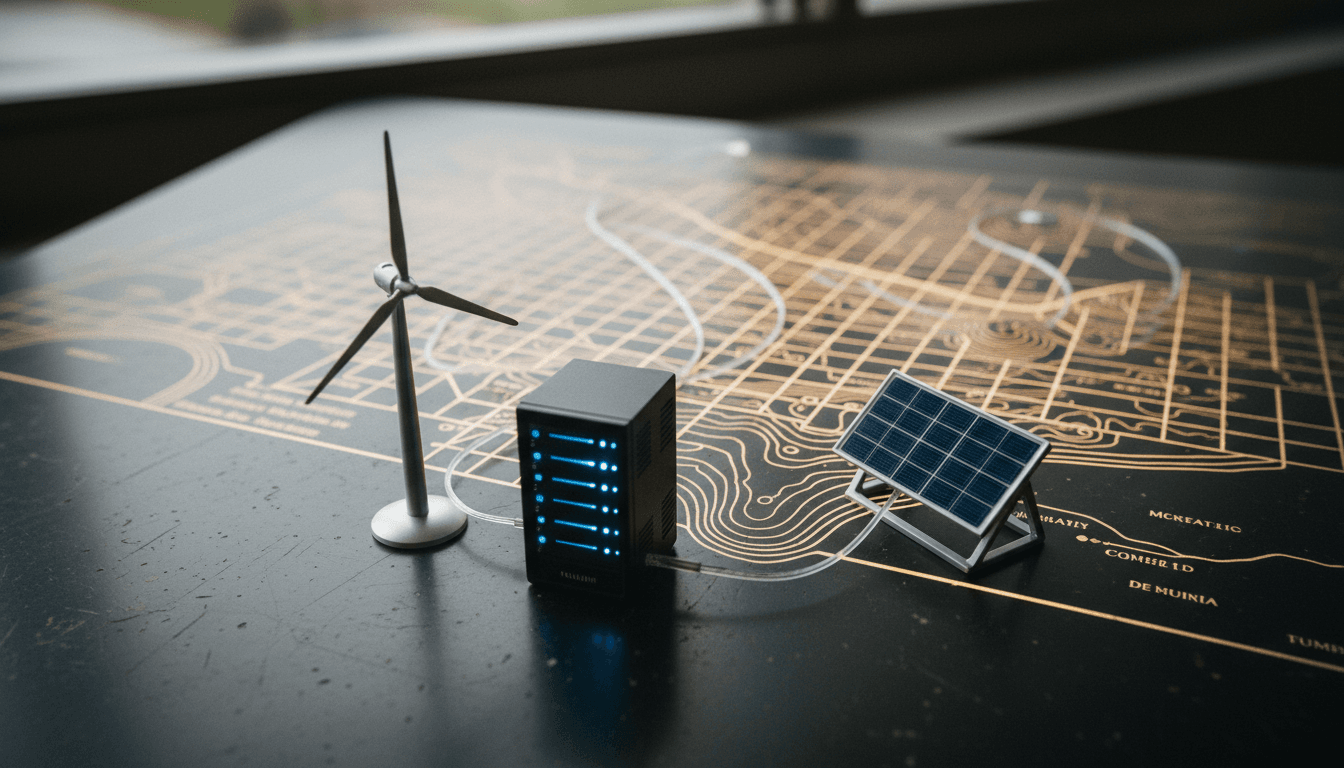
Data center energy demands are rapidly escalating, forming the physical bedrock for the tech industry’s ambitious AI aspirations. However, this relentless expansion of energy-hungry server warehouses has ignited global conflicts concerning their profound impact on power grids, utility bills, local communities, and the environment. From audacious proposals to launch data centers into space, the quest for computational power is reshaping our world and challenging existing infrastructure.
The Escalating Strain on Power Grids
The sheer scale of modern data centers is staggering. Each facility consumes the equivalent electricity of a small city, and with the proliferation of AI and other data-intensive applications, these demands are only projected to surge. This places immense pressure on existing power grids, often leading to calls for significant infrastructure upgrades, which are costly and time-consuming. Communities near proposed data center sites frequently voice concerns over potential blackouts, increased utility rates, and the environmental footprint of expanded power generation.
“The exponential growth of AI means data center energy demands will continue to be a dominant factor in global energy consumption discussions.”
Many regions are already grappling with how to balance the economic benefits of hosting these tech giants with the practical challenges of energy supply. The debate often pits technological progress against sustainable development, requiring innovative solutions to manage this unprecedented surge in consumption. Investors are increasingly scrutinizing the long-term energy strategies of tech companies, recognizing the financial and reputational risks associated with unsustainable growth.
Innovation in Sustainable Data Center Energy Demands
The industry is not blind to these challenges. A significant push towards more sustainable solutions is underway, with companies exploring everything from renewable energy sources to advanced cooling technologies. Geothermal, solar, and wind power are increasingly being integrated into data center operations, aiming to offset their carbon footprint. Furthermore, advancements in chip design are leading to more energy-efficient processors, and liquid cooling systems are becoming more prevalent, reducing the electricity required for temperature regulation.
Beyond on-site innovations, there’s a growing interest in grid-scale energy storage solutions and demand-response programs, where data centers can adjust their power consumption based on grid availability. These initiatives are crucial for mitigating the impact of data center energy demands and ensuring a more resilient energy future. For related Tech news, keep an eye on developments in green technology and infrastructure investment.
Community Impact and Regulatory Scrutiny
The social implications of these massive facilities extend beyond energy. Local communities often face issues ranging from increased noise pollution to concerns about water usage for cooling. This has led to heightened regulatory scrutiny, with governments worldwide exploring policies to govern data center development more effectively. These policies aim to balance economic growth with environmental protection and community well-being, pushing companies to adopt more transparent and responsible practices.
The future of AI and advanced computing is inextricably linked to how we address data center energy demands. As the physical manifestation of our digital future, these facilities demand a holistic approach that considers technological innovation, environmental stewardship, and community engagement. The ongoing dialogue and advancements will shape not only the tech landscape but also our global energy infrastructure for decades to come.