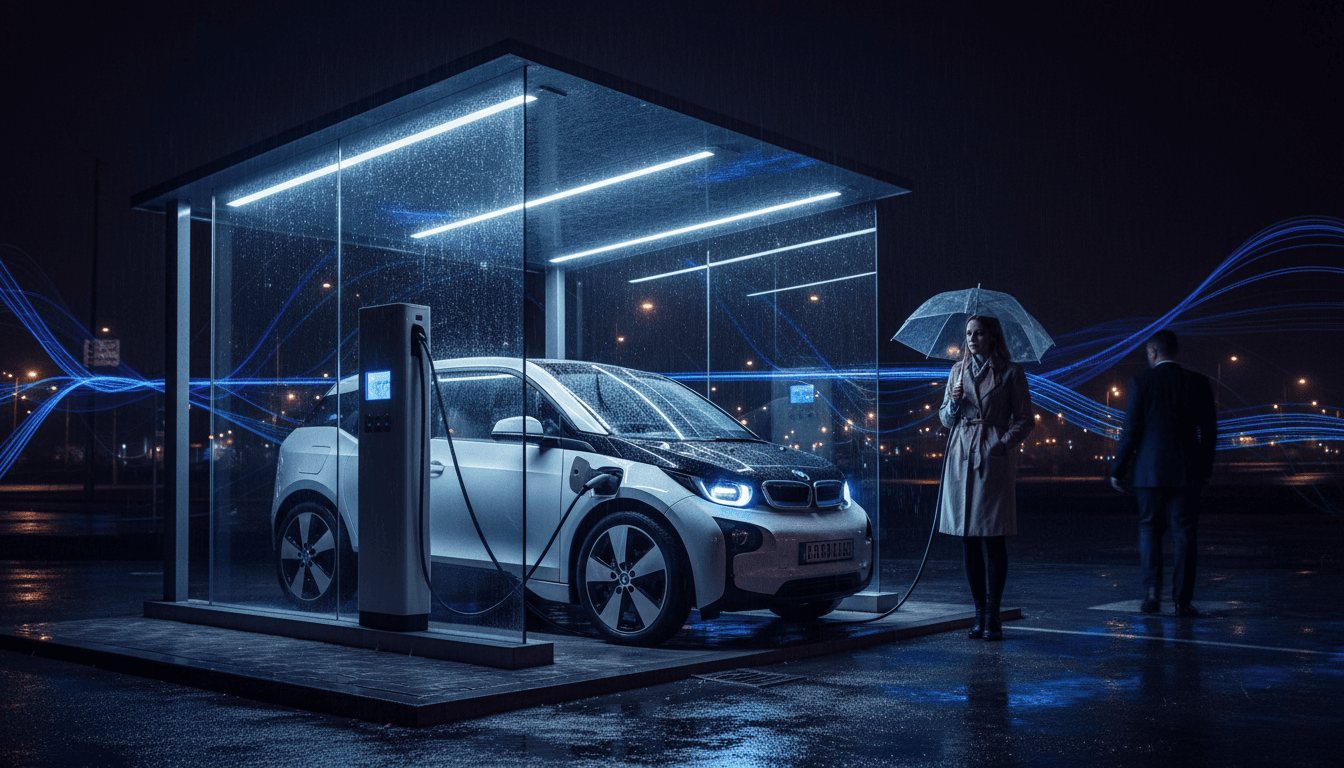
The new BMW i3 EV returns, marking a significant evolution in the German automaker’s electric vehicle strategy. BMW’s latest class of EVs began with the iX3 SUV, but it was always clear this was just the beginning. The company’s engineers invested considerable time and resources into developing a completely redesigned and substantially more efficient EV platform, a foundation too robust for just one crossover. Now, the second wave is here, and it’s spearheaded by the highly anticipated new i3.
This reimagined i3 is set to redefine expectations for urban electric mobility, combining BMW’s renowned driving dynamics with cutting-edge sustainable technology. It’s not merely an update; it’s a complete overhaul, reflecting BMW’s commitment to a fully electric future. The original i3 was a pioneer, and this new iteration aims to build on that legacy with enhanced performance, range, and a design that truly stands out.
The Rebirth of an Electric Icon
The return of the i3 nameplate signals BMW’s strategic pivot towards consolidating its electric offerings under familiar, yet thoroughly modernized, banners. While details are still emerging, early indications suggest a radical departure from its predecessor’s unique, almost quirky, aesthetic. Expect a more conventional four-door sedan form factor, designed to appeal to a broader market while still maintaining BMW’s characteristic premium feel.
“BMW’s dedication to scalable EV platforms will accelerate their market penetration, making models like the new i3 EV critical for growth.”
This new platform, first showcased with the iX3, allows for greater flexibility in vehicle architecture, optimizing space and performance. For consumers, this translates to more interior room, better battery integration, and ultimately, a superior driving experience. The efficiency gains from this platform are also expected to push the new i3’s range significantly further than previous models, addressing one of the key concerns for potential EV buyers. For more insights into the evolving automotive landscape, explore our related Tech news.
Engineering for the Electric Age
Underpinning the new BMW i3 EV is a testament to advanced engineering. The focus has been on lightweight materials, aerodynamic efficiency, and sophisticated battery management systems. This holistic approach ensures that every aspect of the vehicle contributes to its overall performance and sustainability. The electric powertrain is expected to deliver instant torque and smooth acceleration, hallmarks of the BMW driving experience, now in an even more environmentally conscious package.
The strategic decision to bring back the i3 name, rather than introducing an entirely new designation, is a clever move. It leverages existing brand recognition and consumer goodwill while showcasing a dramatic leap forward in technology and design. This blend of heritage and innovation is a powerful message to the market, signaling BMW’s serious intent to lead in the electric vehicle space.
Market Impact and Future Outlook
The launch of the new i3 EV is poised to have a substantial impact on the competitive electric vehicle market. By offering a compelling option in the compact luxury EV segment, BMW aims to capture a significant share of environmentally conscious consumers looking for both performance and prestige. This model, alongside the iX3, forms the vanguard of BMW’s next-generation electric fleet, setting the stage for an exciting future in sustainable mobility. As the automotive industry continues its rapid shift towards electrification, BMW’s strategic launches will be closely watched by investors and consumers alike.