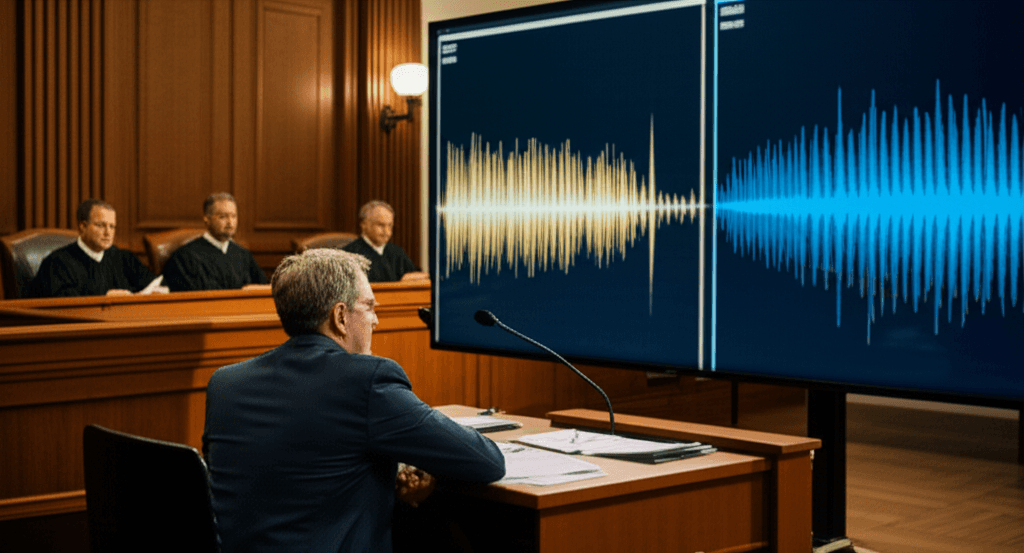
The **AI voice lawsuit** landscape is heating up as David Greene, the former host of NPR’s “Morning Edition,” is suing Google, alleging that the male podcast voice in the company’s NotebookLM tool is based on him. Greene claims that the voice replicates his cadence, intonation, and even his use of filler words like “uh.”
David Greene Alleges Voice Mimicry
Greene stated that the similarities were so striking that friends, family, and coworkers began contacting him, pointing out the uncanny resemblance. “My voice is, like, the most important part of who I am,” Greene explained, emphasizing the significance of his vocal identity. He currently hosts the KCRW show “Left, Right, & Center.”
Google’s NotebookLM allows users to generate podcasts with AI hosts. A Google spokesperson refuted Greene’s claims, stating, “The sound of the male voice in NotebookLM’s Audio Overviews is based on a paid professional actor Google hired.” However, Greene remains unconvinced, proceeding with the **AI voice lawsuit**.
The Scarlett Johansson Precedent
This isn’t the first instance of concerns arising over AI voices mirroring real individuals. A notable case involved OpenAI, which removed a ChatGPT voice after actress Scarlett Johansson voiced her concerns that it was an imitation of her own voice. This case highlights the growing ethical and legal complexities surrounding the use of AI-generated voices.
“The implications of AI voice replication are significant, raising questions about intellectual property rights and the potential for misuse.”
Impact on the Financial Sector
While seemingly unrelated, this **AI voice lawsuit** has implications for the financial sector. As AI becomes more integrated into financial services, from automated customer service to AI-driven market analysis, the ethical use of AI technology becomes paramount. The financial industry relies heavily on trust and credibility. Any perceived ethical lapses in AI implementation could erode that trust, impacting investor confidence and market stability. related Tech news
The outcome of this lawsuit could set a precedent for future cases involving AI-generated voices and the rights of individuals to control their vocal likeness. This ongoing debate surrounding artificial intelligence and ownership will be one to watch in the months to come.
The Future of AI Voice Technology
The increasing sophistication of AI voice technology presents both opportunities and challenges. While offering the potential for personalized experiences and enhanced accessibility, it also raises concerns about authenticity, consent, and the potential for misuse. As AI continues to evolve, it is crucial to establish clear ethical guidelines and legal frameworks to govern its development and deployment. The **AI voice lawsuit** filed by David Greene against Google underscores the need for careful consideration of these issues.
Source: TechCrunch