AI music’s uncharted territory is expanding rapidly, touching every facet of the industry from sample sourcing and demo recording to serving up digital liner notes and building playlists. This technological surge presents a complex landscape of technical and legal challenges, fierce ethical debates, and looming fears that the sheer volume of AI-generated content could overwhelm and displace working musicians. The fundamental question remains: is it art, or merely an output?
The AI Revolution in Sound Production
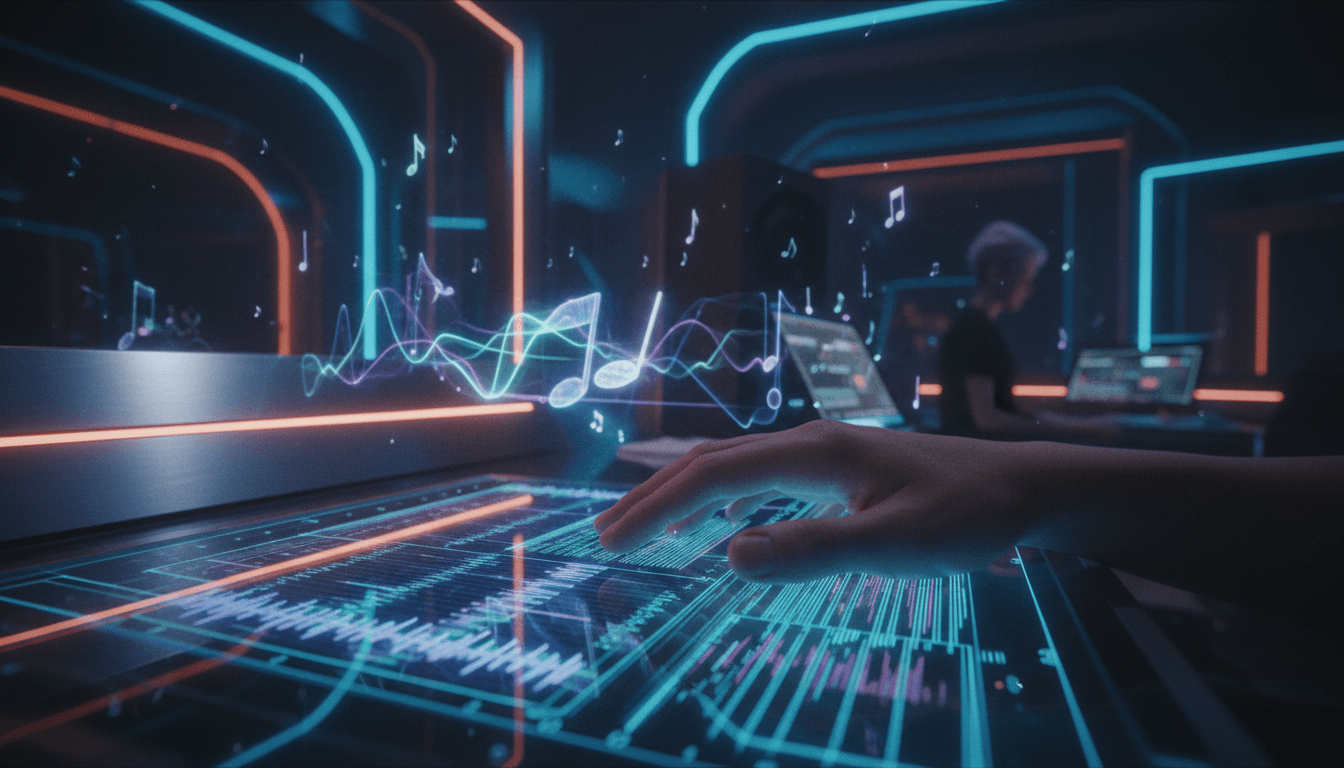
The integration of artificial intelligence into music creation isn workflows is profound. Algorithms can now generate intricate melodies, harmonies, and rhythms, often indistinguishable from human compositions. This capability streamlines production for artists and producers, offering new tools for experimentation and efficiency. From generating unique soundscapes for film scores to assisting independent artists in crafting professional-sounding demos, AI is redefining the creative process. However, this power also brings scrutiny regarding originality and intellectual property.
“The line between AI assistance and AI authorship is becoming increasingly blurred, prompting a re-evaluation of creative ownership.”
Ethical Quandaries and Legal Loopholes
The rapid advancement of AI in music has outpaced established legal frameworks, creating significant ethical dilemmas. Concerns range from copyright infringement, where AI models are trained on existing copyrighted material, to the potential for deepfakes that mimic an artist’s voice or style without their consent. The debate over whether AI-generated compositions can be copyrighted, and by whom, is still largely unresolved. These legal grey areas pose substantial risks for both creators and consumers, highlighting the urgent need for updated regulations. For more insights into technological advancements and their market impact, visit our related Tech news section.
AI Music’s Uncharted Territory: Economic Impact on Artists
One of the most pressing concerns within the music community is the potential economic impact of widespread AI adoption. The fear is that a flood of easily produced, low-cost AI music could devalue human-created art, making it harder for working musicians to earn a living. While AI tools can empower independent artists, the sheer volume of ‘slop’ – quickly generated, algorithmically optimized tracks – could saturate streaming platforms, making it harder for genuine talent to be discovered. Navigating AI music’s uncharted territory requires careful consideration of these economic implications.
The Future of Creativity and Commerce
As AI music’s uncharted territory continues to expand, the industry faces a critical juncture. The technology offers unprecedented opportunities for innovation and accessibility, but also poses existential threats to traditional creative models and the livelihoods of artists. Stakeholders, from tech developers to musicians and legal experts, must collaborate to establish frameworks that foster innovation while protecting human creativity and ensuring fair compensation. The dialogue around whether AI-generated sound is truly ‘art’ or merely a sophisticated output will shape not only the future of music but also broader definitions of creativity in the digital age.