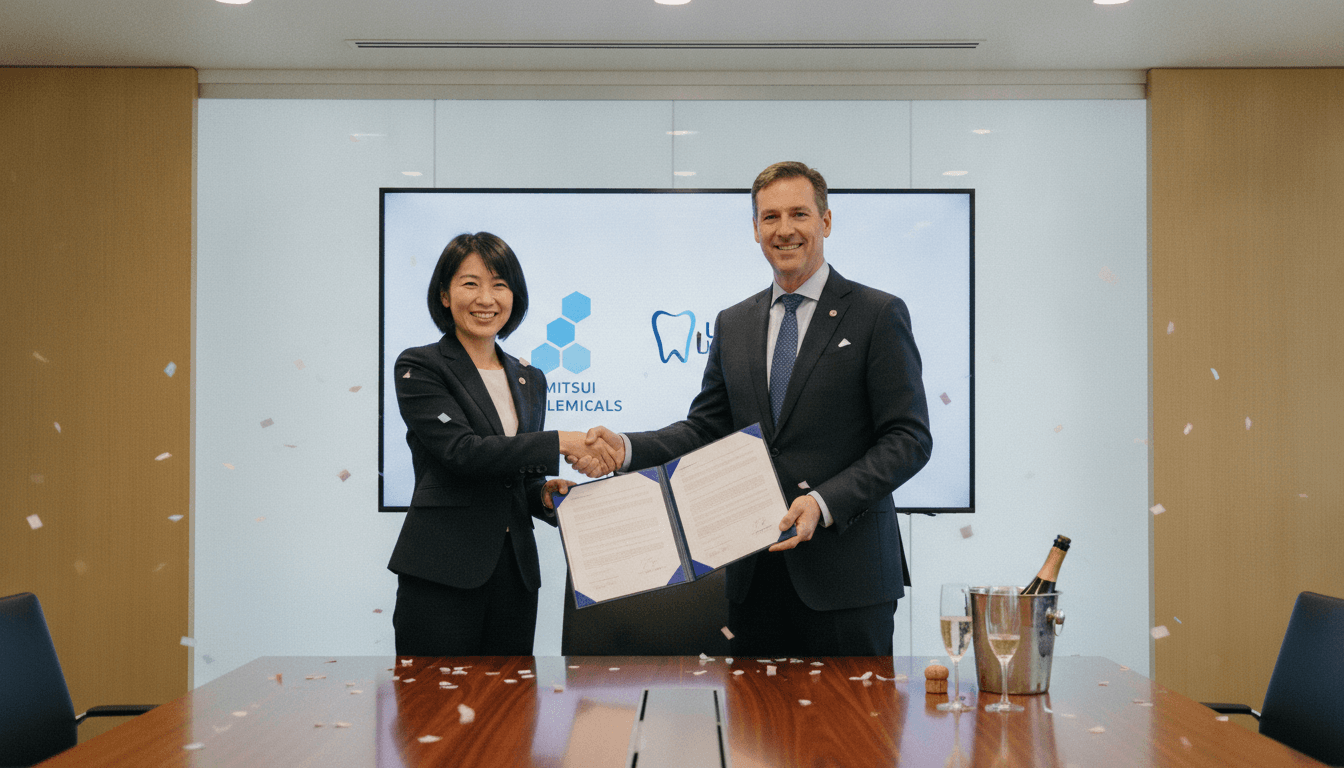
Teva’s new $700 million acquisition deal, announced on Sunday, May 3, 2026, marks a significant strategic move for the pharmaceutical giant, signaling its continued aggressive expansion and commitment to bolstering its market position. This substantial transaction, first reported by Yahoo Finance, underscores Teva’s robust financial health and its proactive approach to inorganic growth in a highly competitive global pharmaceutical landscape.
The Strategic Significance of the Acquisition
The new $700 million acquisition deal involves Teva, a well-established name in the pharmaceutical sector, expanding its portfolio through a substantial investment. While the specific target of the acquisition has not been detailed in the initial announcement, the sheer scale of the deal — a formidable $700 million — indicates a strategic play designed to either enter new therapeutic areas, strengthen existing product lines, or acquire critical intellectual property. For Teva, a company known for its extensive generic drug offerings and a growing presence in specialty pharmaceuticals, such an acquisition is a clear signal of its intent to drive future revenue growth and enhance shareholder value. It represents a calculated move to secure competitive advantages and diversify its business against evolving market dynamics.
“This $700 million acquisition deal isn’t just about adding assets; it’s about strategically positioning Teva for long-term dominance in key pharmaceutical segments,” notes an industry observer.
Teva Pharmaceutical Industries Ltd., headquartered in Israel, has a rich history dating back to 1901. Over more than a century, it has evolved from a small drug wholesaler into one of the world’s largest generic drug manufacturers and a significant player in specialty medicines. The company has navigated numerous challenges, including patent cliffs and intense pricing pressures, by consistently innovating and executing strategic acquisitions. Previous milestones include expanding its global footprint into over 60 countries and developing a robust pipeline of both generic and proprietary drugs. This latest transaction builds on a long-standing strategy of growth through both organic development and targeted M&A activities, demonstrating a consistent drive to remain at the forefront of the pharmaceutical industry.
Teva’s Acquisition Strategy and Competitive Edge
Teva’s success, culminating in this significant new $700 million acquisition deal, is rooted in a multifaceted strategy. A core component is its relentless pursuit of operational efficiency coupled with a keen eye for undervalued assets or synergistic opportunities. The company’s deep expertise in drug development and manufacturing, particularly in generics, provides a solid foundation. However, its recent strategic pivot has also emphasized specialty drugs, which typically offer higher margins and longer patent protection. Key decisions have often revolved around balancing these two pillars: leveraging the cash flow from its generic business to fund research and development for specialty drugs, and acquiring companies that complement either segment or offer entirely new growth avenues. Teva’s competitive advantages include its vast global distribution network, its strong regulatory compliance record, and its ability to bring complex generic drugs to market quickly and efficiently. This latest acquisition likely aligns with one of these strategic imperatives, aimed at reinforcing its market leadership or opening new growth frontiers. Discover more success stories in the pharmaceutical sector.
Market Impact and Future Outlook
The announcement of Teva’s new $700 million acquisition deal will undoubtedly send ripples through the pharmaceutical industry. Competitors will be closely watching to understand the implications, particularly if the acquisition targets a specific therapeutic area or technology. For investors, this deal signals Teva’s confidence in its future growth trajectory and its willingness to deploy capital for strategic expansion. It could lead to a reassessment of Teva’s valuation, especially if the acquired assets promise significant future revenues or cost synergies. The broader market might also see increased M&A activity as other players respond to Teva’s aggressive move. This transaction could be a bellwether for consolidation trends within the industry, especially given the ongoing pressures on drug pricing and the need for scale to drive profitability.
Looking ahead, Teva’s plans will likely involve the seamless integration of the acquired entity, focusing on maximizing the value from the new assets. Analysts will be keen to understand the specifics of the deal, including the acquired company’s pipeline, market share, and expected contribution to Teva’s bottom line. Predictions will undoubtedly focus on how this acquisition impacts Teva’s overall financial performance, its debt levels, and its long-term strategic direction. This latest move by Teva underscores a broader trend in the pharmaceutical industry: companies are increasingly looking to external growth to navigate a complex and rapidly evolving market. Teva’s proactive stance with this $700 million acquisition deal positions it strongly for continued relevance and leadership in the years to come.