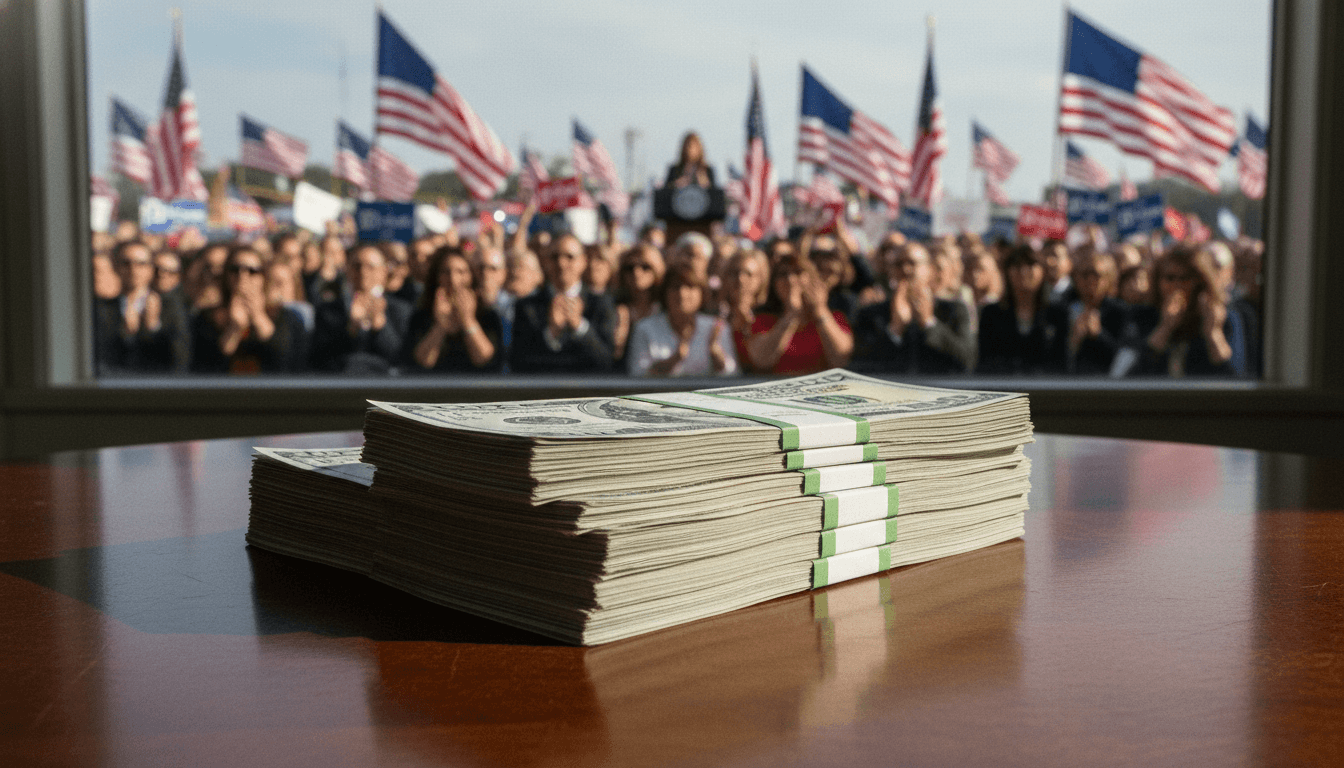
Massive Political Donations Fueling US Elections continue to dominate the landscape of American democracy, as evidenced by recent significant contributions from influential billionaires. On Thursday, April 16, 2026, the financial powerhouses Sheldon Adelson and George Soros once again demonstrated their profound impact, collectively channeling nearly $100 million into their respective party’s coffers. This latest surge underscores the escalating financial stakes in US political campaigns, with Adelson pouring $40 million into Republican PACs and Soros countering with a formidable $50 million for his Democrat PAC.
The Scale of Influence
This remarkable influx of capital, totaling $90 million from just two individuals, highlights the extraordinary role that ultra-wealthy donors play in shaping the political discourse and electoral outcomes. Such substantial figures are not merely donations; they represent strategic investments designed to influence policy, support preferred candidates, and ultimately steer the nation’s direction. The sheer scale of these contributions ensures that the voices and priorities of these donors resonate powerfully within their chosen parties, affecting everything from platform development to grassroots campaigning.
The financial muscle displayed by Adelson and Soros is a recurring feature of modern American politics. Both billionaires have long been recognized as titans in their respective industries – Adelson in the casino and hospitality sector, and Soros as a legendary investor and philanthropist. Their engagement in political funding is not new, but the consistent magnitude of their contributions continues to draw attention to the outsized influence of individual wealth in the democratic process.
“The strategic deployment of capital by these high-net-worth individuals is a defining characteristic of contemporary US elections, setting the tone for campaign finance debates and electoral strategies.”
Strategic Philanthropy and Political Advocacy
Sheldon Adelson, a staunch supporter of conservative causes, has historically been one of the Republican Party’s most generous benefactors. His $40 million contribution on April 16, 2026, is consistent with his long-standing commitment to backing GOP candidates and initiatives. Adelson’s political philosophy often aligns with pro-business policies, strong national defense, and support for Israel, making his financial backing a critical component for many Republican campaigns.
Conversely, George Soros, a prominent figure in global finance and a vocal advocate for liberal causes, has consistently been a leading donor to the Democratic Party. His $50 million infusion into his Democrat PAC on the same date reflects his ongoing dedication to progressive policies, social justice, and strengthening democratic institutions. Soros’s strategic giving aims to counter conservative influence and advance a more open, inclusive society.
These significant donations are not made in isolation; they are part of a broader, sophisticated network of political funding. PACs (Political Action Committees) serve as crucial conduits for these funds, allowing for organized and targeted spending on advertising, voter mobilization, and candidate support. The ability to direct such massive political donations through these channels amplifies their impact, reaching millions of voters and shaping public opinion.
Market and Societal Implications
The continuous flow of massive political donations has profound implications beyond just electoral results. For the political consulting industry, it means a robust market for strategists, advertisers, and data analysts. For media outlets, it translates into significant revenue from political advertising. More broadly, it raises ongoing questions about campaign finance reform, the role of money in politics, and the potential for a small number of wealthy individuals to disproportionately influence public policy. Investors and businesses often watch these trends closely, understanding that political shifts can lead to regulatory changes, economic policies, and market volatility. The continued emphasis on these high-stakes contributions highlights a persistent dynamic in the intersection of wealth and power.
Looking ahead, the landscape of US political funding is unlikely to change dramatically without significant legislative reform. The current environment ensures that high-net-worth individuals like Adelson and Soros will remain pivotal players. Analysts predict that as the 2026 election cycle progresses, we will see further substantial contributions, continuing the trend of escalating financial investment in political outcomes. For more insights into the financial powerhouses shaping global politics, explore more success stories on our platform.
The latest contributions from Adelson and Soros are a stark reminder of the enduring power of massive political donations in shaping the trajectory of American governance. As the nation gears up for future electoral contests, the strategic deployment of capital by these influential figures will undoubtedly remain a central, defining feature of the political arena.