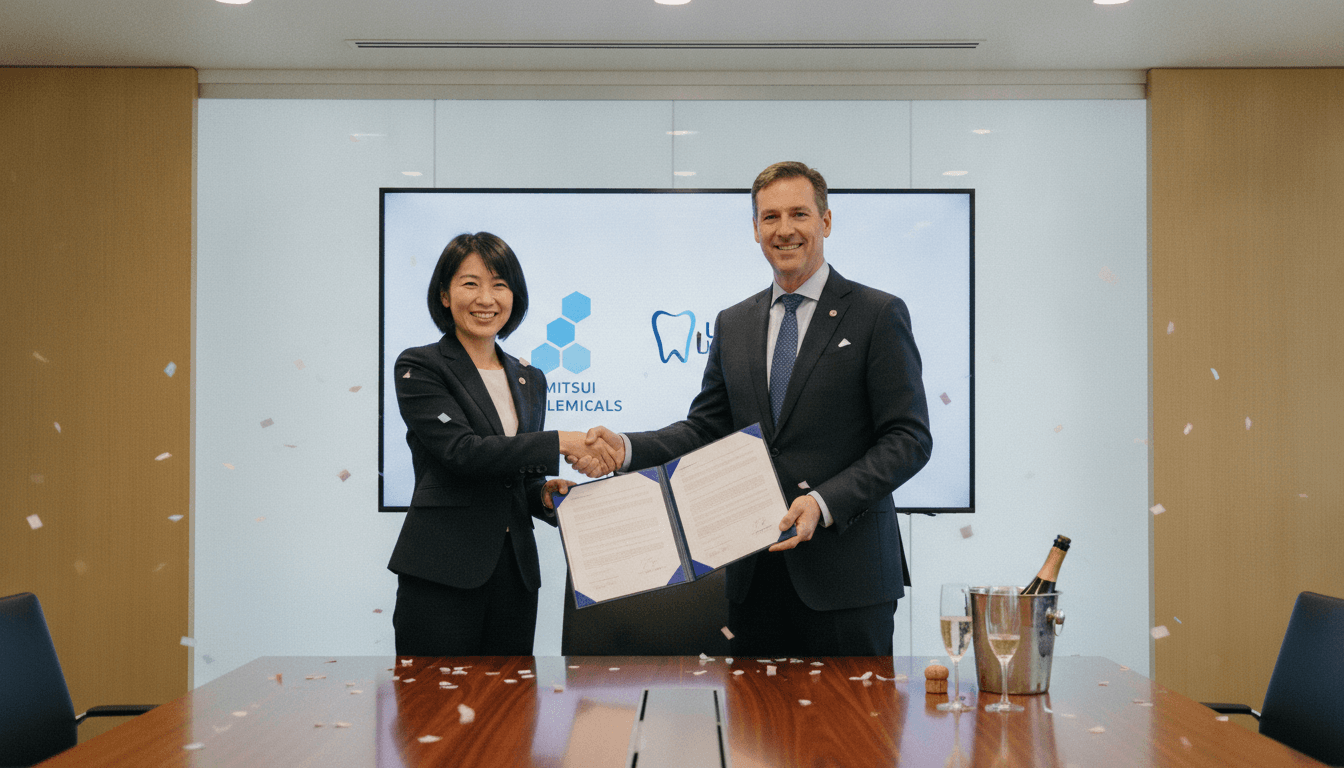
Keurig Dr Pepper completes its significant $18 billion coffee acquisition, transforming the North American beverage giant into a global coffee platform. This strategic move, finalized in April 2026, sees KDP integrating JDE Peet’s, the world’s largest pure-play coffee company by volume, marking a pivotal moment for the company’s future trajectory and market footprint. Despite a recent 13% dip in its stock, KDP’s underlying business strength and strategic vision suggest a robust path forward, with analysts projecting meaningful returns as the integration unfolds.
The acquisition represents a bold expansion for Keurig Dr Pepper Inc. (KDP), known for its integrated ownership, manufacturing, and distribution of non-alcoholic beverages and coffee products. Its portfolio boasts iconic brands like Dr Pepper, Canada Dry, Snapple, and Green Mountain Coffee Roasters. The company also maintains a crucial partnership with Nestlé, distributing Starbucks K-Cup pods, a collaboration extended in April 2026. The JDE Peet’s deal, valued at approximately $18 billion, fundamentally reshapes KDP’s identity, shifting it from a predominantly North American entity to a formidable global player in the coffee market.
The Strategy Behind the Keurig Dr Pepper Acquisition
The strategic rationale behind the Keurig Dr Pepper acquisition is clear: diversification and global expansion. By bringing JDE Peet’s into its fold, KDP gains immediate access to a vast international coffee market, significantly bolstering its revenue streams beyond its established U.S. beverage segment. This move not only expands KDP’s geographical reach but also diversifies its product offerings, leveraging the strong brand equity of JDE Peet’s.
A key aspect of this integration is the leadership transition, with Rafael Oliveira, the former JDE Peet’s CEO, now heading KDP’s Global Coffee operating unit. This ensures continuity and expertise in navigating the complexities of the international coffee landscape. Initial skepticism from investors, including activist Starboard Value, regarding the deal’s rationale, largely eased following KDP’s strong Q1 2026 results. The company reported adjusted EPS of $0.39, surpassing the $0.37 estimate, with net sales climbing 8.1% to $4 billion, primarily fueled by robust U.S. refreshment beverage demand. Management also reaffirmed its full-year net sales guidance of $25.9 billion to $26.4 billion, signaling confidence in the combined entity’s performance.
“The JDE Peet’s acquisition transforms KDP from a primarily North American beverage company into a global coffee platform, a strategic pivot with significant long-term implications for growth and market leadership.”
Further bolstering investor sentiment was a favorable court ruling in November 2025, denying class certification in an antitrust case, thereby removing a significant legal overhang. The company also demonstrated its brand vitality through a Tic Tac and Dr Pepper flavor collaboration in February 2026, showcasing ongoing cultural relevance and marketing acumen. While the stock currently yields around 3.3% and trades at a modest 12.1x forward earnings, the elevated net debt of nearly $28 billion post-acquisition remains a key focus for investors.
Valuation Outlook for KDP Stock
Analysts at TIKR.com have modeled the upside potential for KDP stock, factoring in the substantial new international coffee revenue from the JDE Peet’s acquisition, the consistent performance of the U.S. beverage segment, and management’s ability to maintain margins as the combined business scales. Based on these projections, the model anticipates Keurig Dr Pepper stock could appreciate from its current $29 level to approximately $38 per share by December 2028.
This projection implies a 31.9% total return, or an annualized return of roughly 11% over the next 2.6 years. The model’s assumptions include a 20% annual revenue growth rate, primarily driven by the full consolidation of JDE Peet’s international operations, rather than organic growth alone. This figure, though conservative compared to some consensus estimates, aligns with management’s fiscal year 2026 guidance.
Operating margins are projected at 21.2%, a slight moderation from KDP’s historical 21.6% LTM EBIT margin, accounting for the integration of lower-margin international coffee operations. However, KDP’s strong brand pricing power and track record in managing beverage margins provide a solid foundation for sustaining profitability. The exit P/E multiple is maintained at 12.1x, reflecting the current elevated leverage and integration uncertainties. This conservative multiple, however, presents potential for re-rating if KDP successfully reduces its net debt to EBITDA ratio from the current 6x towards a more manageable 3x to 4x over the coming years, bringing it closer to consumer staples peers that typically trade at 20x to 25x.
Different scenarios for KDP stock through 2030 illustrate varied outcomes. A low case, marked by integration challenges and slower debt reduction, could see annual returns of 2.9%. The mid-case, where JDE integration proceeds as planned and U.S. beverages maintain mid-single-digit growth, projects 7.8% annual returns. Even the high case, with outperforming coffee synergies and accelerated international expansion, also targets 7.8% annual returns. While these figures might be below the 10% threshold for some growth investors, the consistent 3.3% dividend yield provides a compelling return floor, making KDP an attractive proposition for income-focused investors valuing both dividends and gradual capital appreciation.
Moving forward, Keurig Dr Pepper’s success will be largely contingent on its ability to seamlessly integrate JDE Peet’s, diligently reduce its substantial debt burden, and sustain its dominant market share in the U.S. beverage sector. The strategic acquisition has undeniably set the stage for a new chapter of global expansion and diversified revenue, positioning KDP as a formidable force in the worldwide coffee and beverage industry.