Abdul Samad Rabiu emerges as Africa’s second-richest billionaire, a significant development that underscores the dynamic shifts in the continent’s wealth landscape. This elevation, reported on Saturday, May 9, 2026, by Arise News, follows a strong surge in Rabiu’s wealth, cementing his position as a formidable force in African business. The achievement highlights the strategic acumen and expansive reach of his conglomerate, BUA Group, across vital sectors of the Nigerian and broader African economies.
The Ascent of Abdul Samad Rabiu
The latest wealth surge has propelled Abdul Samad Rabiu into an elite tier, making him Africa’s second-richest billionaire. This monumental rise signifies not just personal success, but also the increasing prominence of indigenous African enterprises on the global stage. The scale of this achievement reflects years of calculated expansion, strategic investments, and a deep understanding of market opportunities within critical sectors such as cement, sugar, and real estate. His journey is a testament to sustained entrepreneurial drive and impactful business leadership.
Company and Personal Trajectory
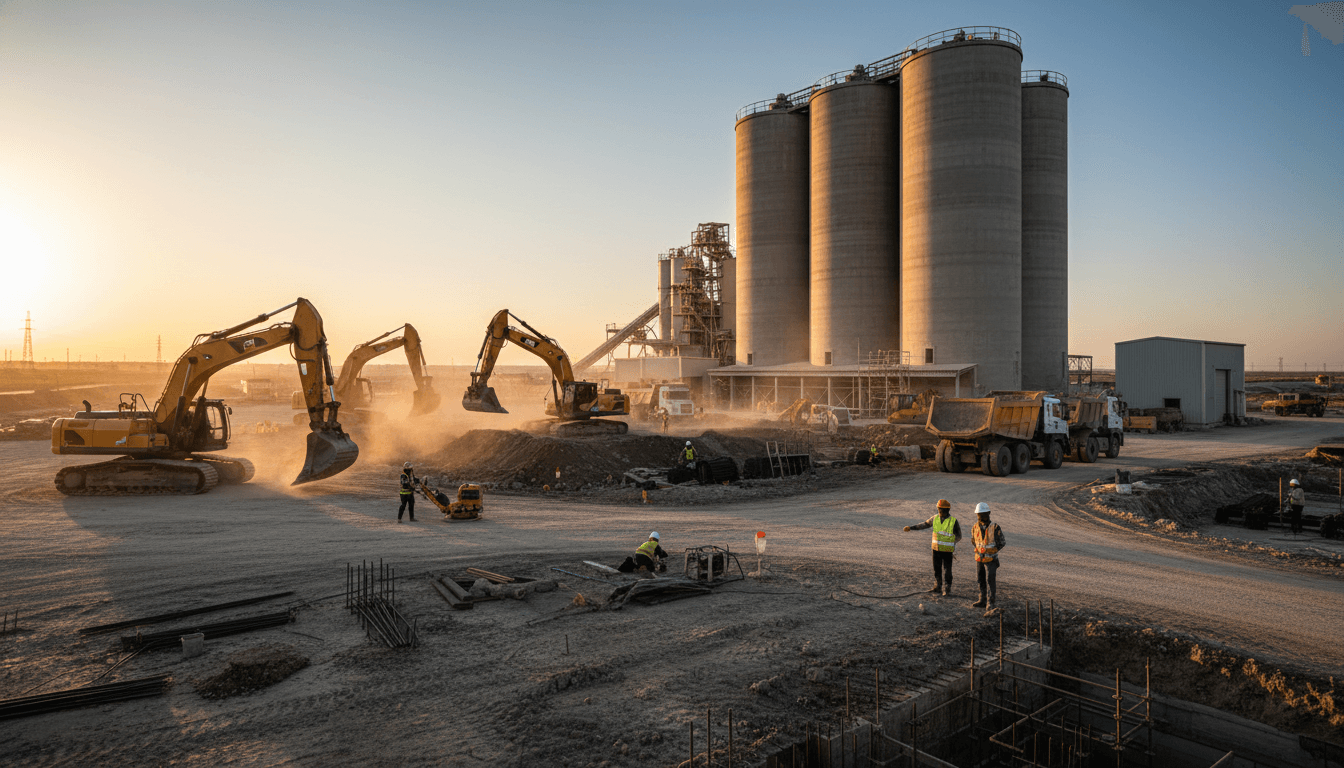
Abdul Samad Rabiu’s entrepreneurial journey began decades ago, evolving from a modest trading business into the sprawling BUA Group. Established in 1988, BUA Group initially focused on the importation of rice, edible oils, and steel. Over the years, Rabiu meticulously diversified the conglomerate, establishing a strong presence in key industries. Milestones include the establishment of BUA Cement, which rapidly grew to become one of Nigeria’s largest cement producers, and significant investments in sugar refineries and port operations. These strategic moves laid the groundwork for the substantial wealth accumulation that has seen Abdul Samad Rabiu emerge as a continental titan.
Strategic Imperatives Behind the Wealth Surge
The success of Abdul Samad Rabiu can be attributed to several key strategic decisions and competitive advantages. A primary driver has been vertical integration, particularly within BUA Cement, which has allowed for greater control over the supply chain and cost efficiencies. Furthermore, Rabiu has consistently focused on expanding production capacity and market penetration, capitalizing on Africa’s growing infrastructure needs and consumer base. His strategic investments in state-of-the-art facilities and a commitment to operational excellence have allowed BUA Group to compete effectively against established players. This aggressive yet calculated expansion, coupled with prudent financial management, has been instrumental in the strong wealth surge observed.
“Rabiu’s strategic foresight in identifying and capitalizing on critical infrastructure and consumer goods gaps across Africa has been a defining factor in his meteoric rise,” notes a market observer.
The group’s focus on essential commodities ensures a resilient business model, less susceptible to transient market fluctuations. This approach has allowed for consistent growth, even amidst challenging economic conditions, positioning Abdul Samad Rabiu for continued success. For more insights into such more success stories, explore our archives.
Market Implications and Future Outlook
The rise of Abdul Samad Rabiu as Africa’s second-richest billionaire has significant implications for the continent’s business landscape. It signals a shift in the concentration of wealth and influence, highlighting the growing power of home-grown industrialists. Competitors in the cement, sugar, and real estate sectors will undoubtedly be watching BUA Group’s next moves closely, as its expansion often sets new benchmarks for efficiency and market reach. For investors, Rabiu’s success story underscores the immense potential within African markets, particularly in sectors addressing fundamental needs.
Looking ahead, the trajectory for Abdul Samad Rabiu appears poised for further growth. BUA Group has demonstrated a clear appetite for expansion and diversification, with ongoing projects aimed at increasing capacity and exploring new ventures. Analysts predict continued strategic investments in infrastructure and manufacturing, leveraging the continent’s demographic dividend and increasing urbanization. The strong wealth surge positions him not just as a business leader, but as a key architect in shaping Africa’s economic future. His continued influence is expected to drive further innovation and competition, contributing significantly to regional development and solidifying his legacy as one of Africa’s most impactful entrepreneurs.