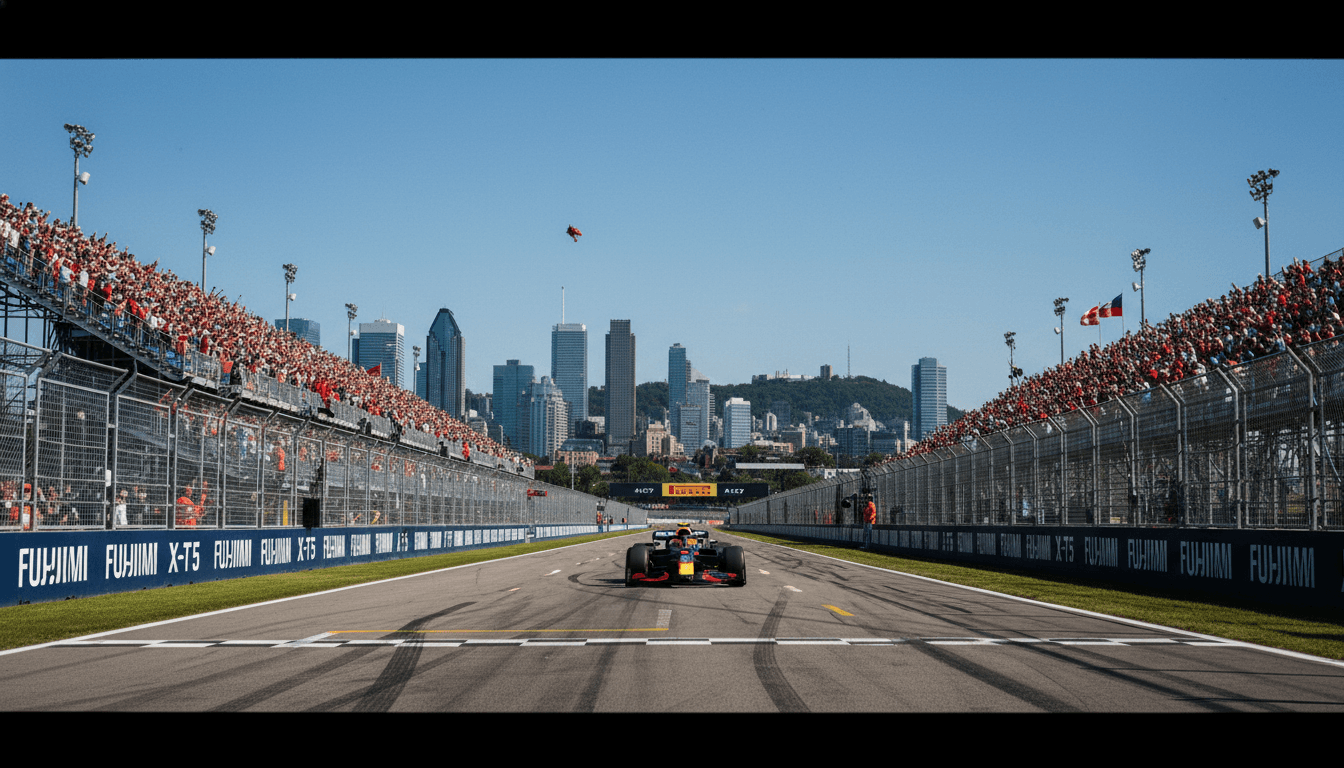
Red Bull Ford Powertrains has achieved a monumental milestone, celebrating its very first podium finish as a power unit manufacturer in Formula 1. Max Verstappen’s third-place finish at the Canadian Grand Prix, held at the iconic Circuit Gilles Villeneuve, marks a pivotal moment for the fledgling team. However, this commendable achievement is tempered by a candid admission from Technical Director Ben Hodgkinson: a “significant” gap still separates them from the top-tier competitors.
Verstappen crossed the finish line a notable 11.2 seconds behind race winner Kimi Antonelli, and a mere half-second ahead of Lewis Hamilton. While the podium is undoubtedly a cause for celebration, Hodgkinson’s remarks underscore the daunting challenge of closing the performance deficit to established giants like Mercedes and Ferrari.
“Formula 1 is all about winning, but this first podium finish powered by our own power unit is definitely something worth celebrating,” Hodgkinson stated. “This achievement recognizes the scale of what we’ve accomplished in such a short time, competing against some of the biggest names in the automotive industry and motorsport.”
The journey has not been without its obstacles. The early part of the season saw the team grapple with reliability issues in Australia and China, which impeded their initial progress. Currently, Red Bull Ford Powertrains sits fourth in the constructors’ standings with 57 points, a substantial 162 points adrift of leaders Mercedes. This significant points difference highlights the extensive work still required to contend consistently at the front.
Red Bull Ford Powertrains: Bridging the Divide
Despite the challenges, there is a palpable sense of optimism within the team. The performance of the Red Bull Ford power unit has, in fact, exceeded initial expectations since pre-season testing, demonstrating promising potential. Hodgkinson remains hopeful about the impending ADUO (Additional Development and Upgrade Opportunities) program, which could facilitate crucial engine advancements. Nevertheless, he maintains a cautious stance, acknowledging that matching the benchmarks set by Mercedes and Ferrari remains a formidable undertaking.
The Formula 1 landscape is also on the cusp of significant change with the new FIA regulations set to come into effect in 2026. These changes are specifically designed to prevent a recurrence of the power unit dominance witnessed in 2014, potentially leveling the playing field. Competitors such as Ferrari, Audi, and Honda are all poised to capitalize on these regulatory shifts, adding another layer of complexity to Red Bull Ford’s pursuit of supremacy.
“We’re excited for the next few races as we continue to learn and build our capabilities,” Hodgkinson added, emphasizing the continuous development cycle. “There’s still a long way to go, and we know the gap to the front-runners is significant. But we’re pushing in the right areas and are determined to chase our first win in this new era of Formula 1.” This determination to close the gap is a critical driving force for the team.
Implications for the F1 Landscape
The debut podium for Red Bull Ford Powertrains sends a clear signal of intent to the broader Formula 1 community. While the immediate focus remains on improving performance and reliability, this early success validates the significant investment and strategic shift made by Red Bull in developing its own power units. The partnership with Ford, announced in early 2023, was a bold move, signaling a long-term commitment to self-sufficiency and pushing technological boundaries. This move could reshape the competitive dynamics of the sport, challenging the established order of engine manufacturers. The prospect of a new, competitive engine supplier entering the fray adds an exciting dimension to the sport, promising more intense battles and greater diversity at the top. This development is certainly one to watch in related sports news articles.
The Road Ahead: Monaco and Beyond
With the iconic Monaco Grand Prix on the horizon, all eyes will be on Red Bull Ford Powertrains to see if they can sustain their upward trajectory. The unique demands of the street circuit will offer a different test of their power unit’s capabilities and the car’s overall package. Fans and experts alike are eager to witness whether the team can translate their promising performance into a tangible victory amidst the fierce competition that defines Formula 1. The journey from a first podium to a first win is often the most challenging, requiring relentless innovation, unwavering focus, and meticulous execution.
The long-term implications of Red Bull Ford Powertrains’ entry into F1 as an engine manufacturer are substantial. It represents a significant strategic pivot for Red Bull Racing, moving away from being a customer team to an integrated constructor with full control over its powertrain development. This vertical integration, while demanding, offers unparalleled control over performance and development synergies between chassis and engine. As the stakes rise, so does the excitement surrounding this ambitious new contender in the world of Formula 1, poised to challenge the established hierarchy and potentially redefine the competitive landscape for years to come. The pursuit of closing the significant gap will be a defining narrative for the team.