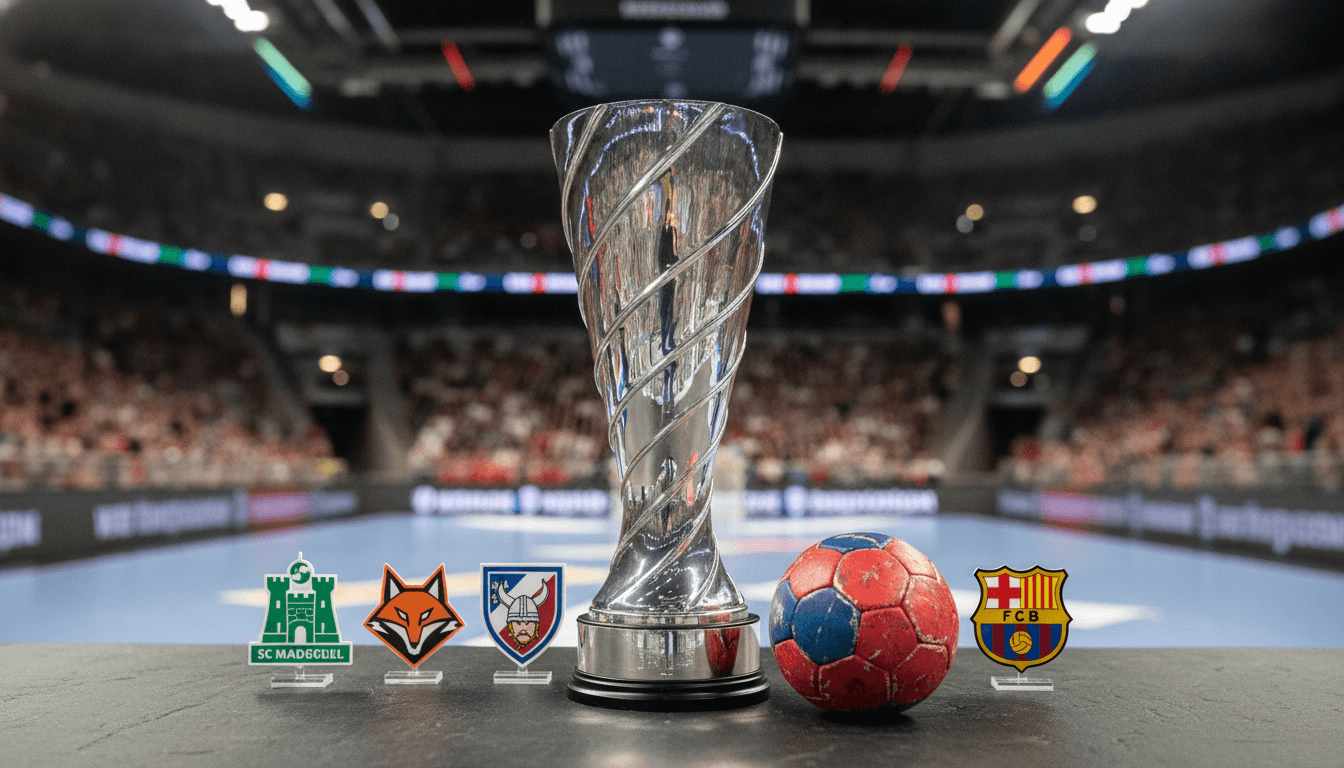
The latest Champions League broadcast details have been unveiled by Goal.com, offering fans a comprehensive overview of where to watch the prestigious European football competition live on TV and via livestream. Published on Friday, April 24, 2026, the report from Goal.com consolidates critical information for supporters eager to follow every match of the tournament, streamlining access to what has become an increasingly fragmented media landscape for premium sports content.
The announcement from Goal.com provides a crucial service to football enthusiasts, detailing which channels and digital platforms hold the rights to broadcast the Champions League. This information is particularly valuable in an era where viewing options can vary significantly by region and subscription model. The report aims to clarify the often complex array of choices, ensuring fans can easily identify their preferred method of accessing live matches.
Impact Analysis
This comprehensive publication of Champions League broadcast details significantly impacts the sports media landscape, particularly for broadcasters and streaming services. By centralizing this information, Goal.com inadvertently highlights the competitive nature of acquiring and retaining rights to major sporting events. For consumers, it simplifies the decision-making process, potentially influencing subscription choices and hardware purchases. The clarity provided could also curb illegal streaming by offering legitimate, accessible alternatives.
From a commercial perspective, the detailed broadcast information underscores the immense value attached to the Champions League. Rights holders, whether traditional television networks or emerging digital platforms, leverage these broadcasts to drive subscriptions, advertising revenue, and brand loyalty. The fragmented nature of these rights, often sold on a country-by-country basis, means that a single global viewer might need multiple subscriptions to follow all their desired content, reinforcing the importance of a consolidated guide like the one provided by Goal.com.
Context & Background
The evolution of sports broadcasting has seen a dramatic shift from traditional free-to-air television to a mixed model incorporating pay-TV and, increasingly, dedicated streaming services. Major competitions like the Champions League have been at the forefront of this transformation, with broadcast rights becoming a key battleground for media companies. This trend has been driven by several factors, including technological advancements, changing consumer viewing habits, and the global appeal of football.
Historically, a few dominant broadcasters would secure exclusive rights for an entire territory. However, the rise of digital platforms and the desire for broader reach have led to more diversified distribution strategies. This often results in different providers sharing rights, or a primary broadcaster sub-licensing certain matches to another platform, creating the need for a definitive guide to Champions League broadcast details.
“The constant evolution of sports broadcasting rights makes a centralized resource for Champions League broadcast details indispensable for fans and industry observers alike. It reflects the premium value of live football.”
Champions League broadcast details
The release of these Champions League broadcast details serves as a timely reminder of the dynamic nature of sports media. As technology advances and consumer preferences shift, the way fans consume live sports will continue to evolve. This detailed guide ensures that, for the immediate future, supporters have a clear path to follow their favourite teams in Europe’s premier club competition. The information provided by Goal.com is not merely a list of channels; it’s a snapshot of the current state of play in a multi-billion-dollar industry.
What’s Next
Looking ahead, the landscape of Champions League broadcast details is likely to remain fluid. As current rights agreements expire, new bidding wars will undoubtedly emerge, potentially leading to further changes in which platforms carry the matches. The increasing influence of tech giants and direct-to-consumer streaming services could see even more innovative distribution models emerge, challenging traditional broadcasters.
For fans, staying informed about these changes will be crucial. Publications like Goal.com will continue to play a vital role in aggregating and disseminating this information, acting as a central hub for navigating the complexities of sports media rights. The ongoing competition among platforms for exclusive content will likely lead to even more diverse viewing options, making comprehensive guides even more essential.
Key Takeaway
The Goal.com report on Champions League broadcast details highlights the ongoing shift in sports media, emphasizing the premium value of live football and the increasingly complex ecosystem of content distribution. For fans, it offers clarity amidst a fragmented market, while for the industry, it underscores the strategic importance of securing and communicating broadcast rights. This continuous adaptation ensures that the world’s most popular sport remains accessible, albeit through an evolving array of platforms and subscriptions, reflecting the significant financial and cultural impact of the Champions League.