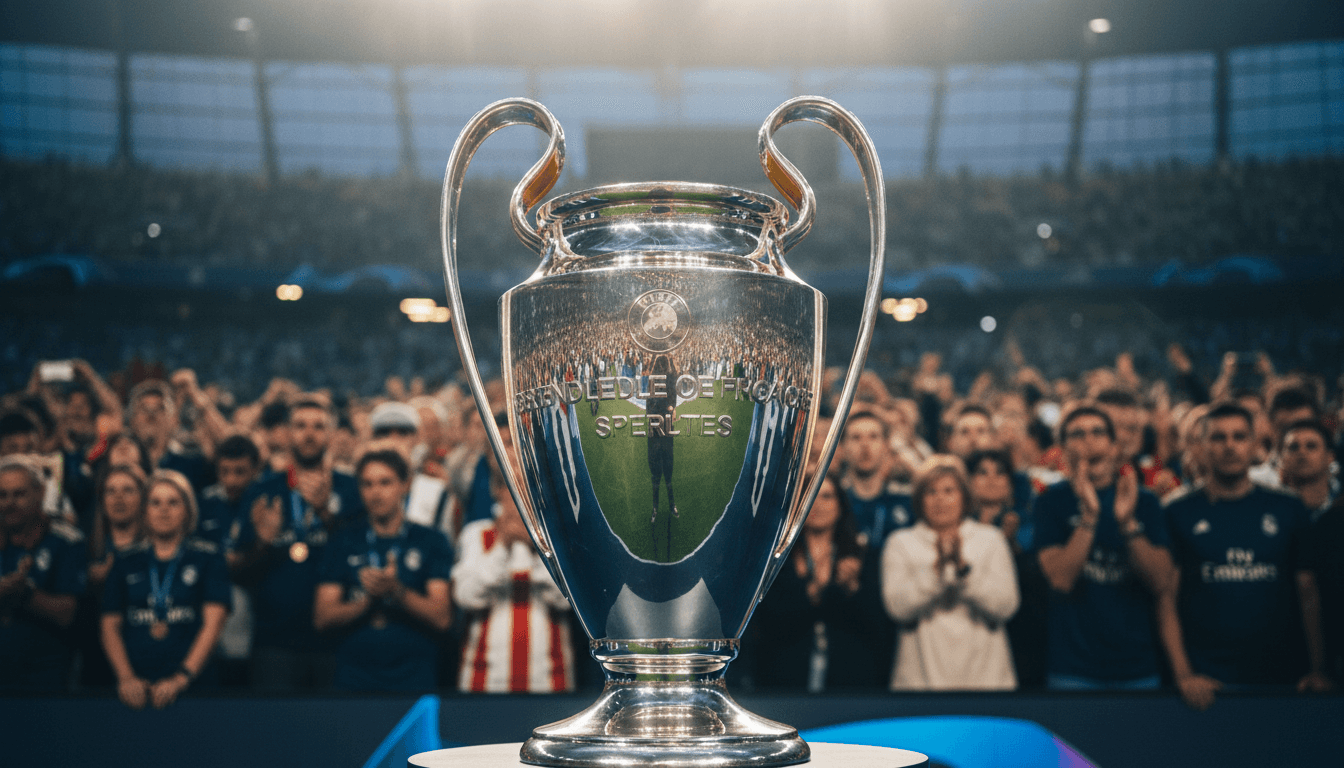
The Champions League 2025-2026 season has reached its dramatic conclusion, with the final standings after the last matchday now confirmed. This pivotal moment on Saturday, May 2, 2026, marks the end of the group stage, setting the stage for the knockout rounds and solidifying the reputations and financial prospects of Europe’s elite football clubs. The results from the final fixtures have not only determined who progresses but also who faces the harsh reality of elimination or relegation to the Europa League, underscoring the high stakes inherent in this premier continental competition.
The Story: European Elite Solidify Positions
The culmination of the Champions League 2025-2026 group stage saw intense battles across various groups, as teams vied for crucial points to secure their passage. While specific team names and match results were not detailed in the OneFootball report, the general landscape indicates that established powerhouses likely reaffirmed their dominance, while several dark horses may have surprised observers. The final standings after the last matchday are the definitive outcome of months of strategic planning, player performance, and tactical execution.
For clubs, progression in the Champions League is not merely about sporting glory; it translates directly into significant financial windfalls. Television rights, prize money, and increased commercial opportunities hinge on a team’s performance, making every point and every goal critical. The clubs that have secured top spots in their respective groups will now benefit from higher seedings in the next stage, theoretically offering a more favorable draw and further enhancing their chances of advancing deep into the tournament.
“The final standings after the last matchday are a testament to sustained performance under pressure, separating the truly elite from those who couldn’t maintain consistency.”
Impact Analysis: Shifting Dynamics in European Football
The confirmed final standings after the last matchday will undoubtedly trigger a cascade of analyses across the sporting world. For the teams that have qualified for the knockout stages, immediate focus will shift to tactical preparations and potential transfer market activities to bolster their squads. Conversely, clubs that have been eliminated will face scrutiny regarding their managerial decisions, player investments, and overall strategic direction. This can often lead to significant changes, from coaching staff adjustments to major player sales or acquisitions in the upcoming transfer windows.
The broader sports news landscape will be dominated by discussions about potential title contenders, surprise packages, and underperforming giants. Media outlets will dissect every aspect of the group stage, from individual player heroics to controversial refereeing decisions. The financial implications are also substantial; a deeper run in the Champions League 2025-2026 can dramatically impact a club’s revenue streams, affecting everything from stadium upgrades to youth academy investments. This economic ripple effect is a key reason why the Champions League remains one of the most coveted competitions in global sport.
Context & Background: A New Era of Competition
The Champions League 2025-2026 season operates within an evolving football landscape. Recent years have seen discussions and implementations of new formats and financial fair play regulations, all aimed at fostering competitive balance while ensuring the financial health of clubs. The pressure to perform in the Champions League is higher than ever, given the increased competition from emerging leagues and the ever-present threat of financial penalties for mismanagement. The results and final standings after the last matchday are a snapshot of this highly competitive environment.
Historically, certain clubs have consistently dominated the latter stages of the Champions League. However, the 2025-2026 season has likely seen its share of upsets and unexpected performances, characteristic of modern football where tactical innovations and strategic investments can quickly elevate a team’s standing. The robust performance of teams from various leagues across Europe underscores the growing depth of talent and strategic prowess within the continent’s football ecosystem.
What’s Next: The Road to the Final
With the final standings after the last matchday now official, attention immediately turns to the draw for the knockout rounds. This event, typically held shortly after the group stage concludes, will pair the qualified teams, setting up mouth-watering clashes that promise further drama and excitement. Teams will begin intensive scouting of their potential opponents, devising strategies to overcome the challenges posed by Europe’s best. The journey to the Champions League final is a marathon, not a sprint, and every subsequent match will be a high-stakes encounter.
Beyond the immediate sporting implications, the performance of clubs in the Champions League 2025-2026 will also influence UEFA coefficient rankings, which determine future allocations of European competition spots for national leagues. This adds another layer of significance to every result, impacting not just individual clubs but entire national football associations. The coming months will be filled with intense football action as the remaining teams battle it out for the ultimate prize.
Key Takeaway: The Unrelenting Pursuit of European Glory
The confirmation of the final standings after the last matchday for the Champions League 2025-2026 season encapsulates the relentless pursuit of European football’s most prestigious club trophy. It highlights the fine margins between success and failure, the immense financial incentives, and the strategic complexities involved in competing at the highest level. For fans, it’s the thrill of watching their teams compete against the best; for clubs, it’s a critical measure of their sporting and financial health. As the competition progresses, the narratives of triumph and heartbreak will continue to unfold, captivating audiences worldwide and solidifying the Champions League’s status as a cornerstone of the global sports calendar.