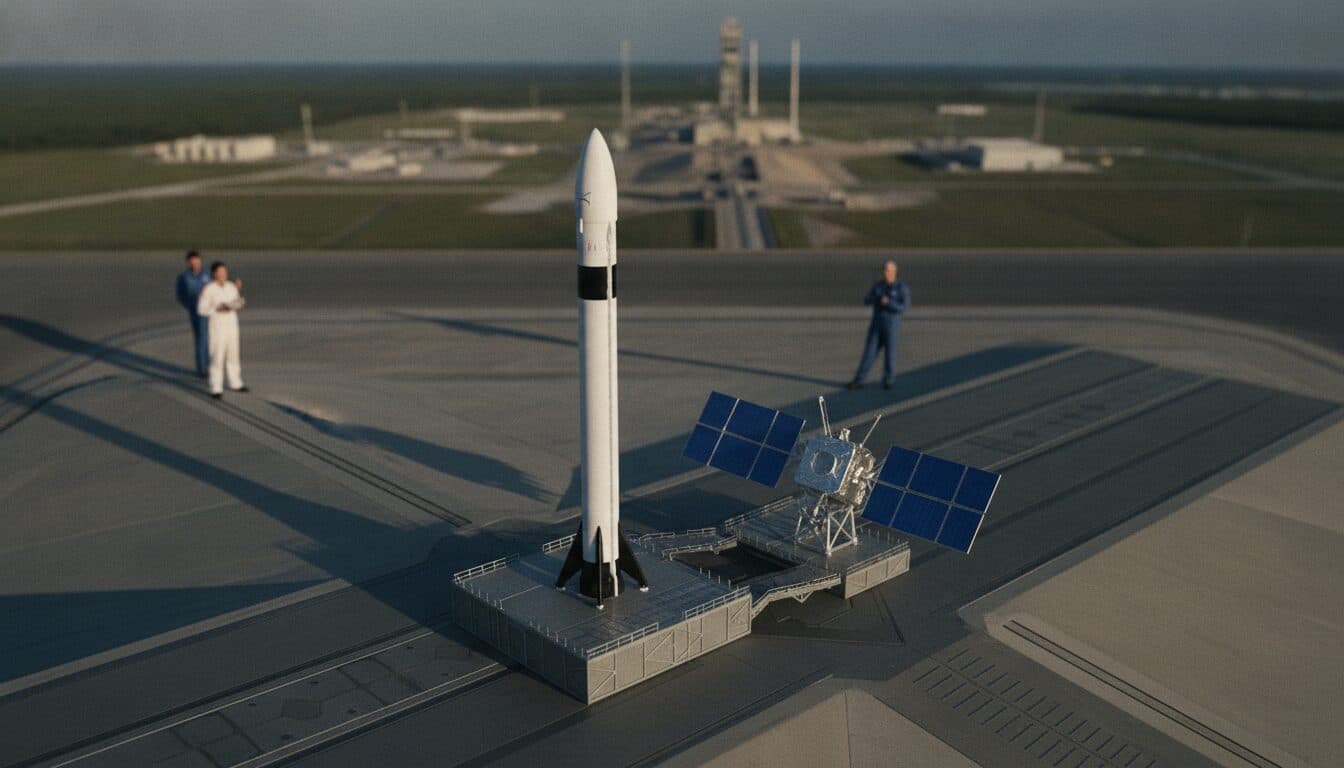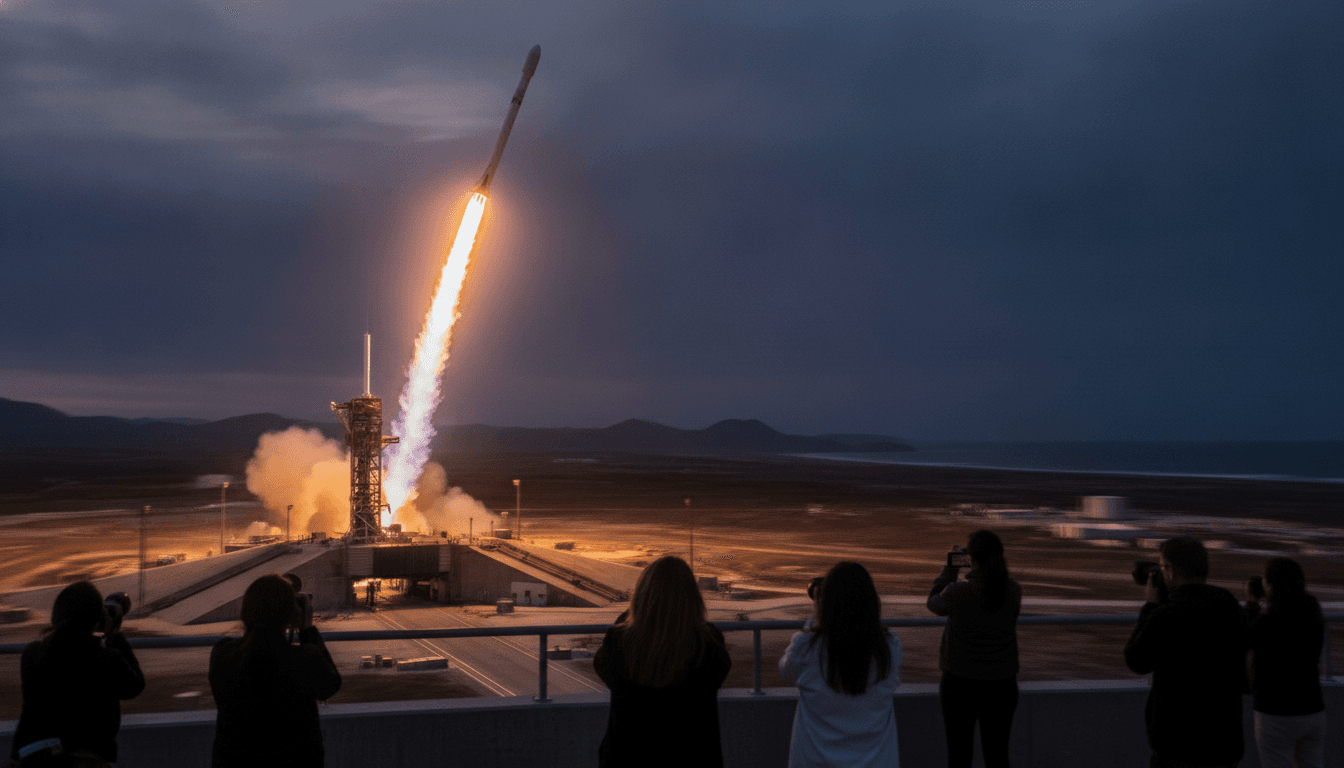
The number of SpaceX rocket launches is projected to continue its unprecedented surge, with industry analysts forecasting a record operational tempo through the end of 2026. This sustained high frequency of missions underscores SpaceX’s dominant position in the commercial space sector and its pivotal role in both satellite deployment and deep-space ambitions.
The Story: Sustained Cadence in Orbit
As of Friday, June 12, 2026, the trajectory for SpaceX’s launch operations indicates a relentless push toward higher mission volumes. While specific figures for the total number of launches by the end of 2026 were not immediately disclosed, the emphasis from FOX Weather on the sheer volume suggests a continuation, and likely an acceleration, of the company’s already impressive launch cadence. This persistent operational tempo is primarily driven by the ongoing deployment of the Starlink satellite constellation, which requires frequent launches to maintain and expand its global broadband coverage. Beyond Starlink, SpaceX also supports a diverse portfolio of clients, including government agencies, commercial satellite operators, and scientific missions, all contributing to the demand for reliable and cost-effective access to space.
Impact Analysis: Reshaping the Space Economy
The relentless pace of SpaceX rocket launches has profound implications for the broader science and space landscape. Firstly, it has dramatically lowered the cost of accessing space, democratizing orbital capabilities for a wider range of players, from small satellite startups to national space agencies. This cost reduction is not merely a financial benefit but a catalyst for innovation, enabling more frequent experimental missions and faster iteration cycles for space technologies. Secondly, the sheer volume of Starlink deployments is rapidly transforming global internet connectivity, particularly in underserved and remote regions, creating new economic opportunities and bridging digital divides. However, this high cadence also raises concerns about orbital debris and the long-term sustainability of space operations, issues that require ongoing international dialogue and technological solutions. The company’s ability to reuse its Falcon 9 first stages and fairings is central to achieving this unprecedented frequency and cost efficiency, a paradigm shift that has forced competitors to re-evaluate their own development strategies. Related science & space articles frequently highlight the competitive pressures this creates.
Context & Background: A Decade of Disruption
SpaceX’s journey to this point has been marked by a consistent drive for innovation and a willingness to challenge established norms in the aerospace industry. From the initial successful landings of its Falcon 9 boosters in the mid-2010s to the rapid scaling of its Starlink constellation in the early 2020s, the company has repeatedly demonstrated its capacity to execute ambitious goals. This sustained increase in the number of SpaceX rocket launches is not an overnight phenomenon but the culmination of years of investment in reusable rocket technology, advanced manufacturing processes, and vertically integrated operations. Industry trends show a clear shift towards private sector dominance in launch services, with companies like SpaceX leading the charge. Previous events, such as the regular cadence of Crew Dragon missions to the International Space Station and the ongoing development of the Starship system, underscore the company’s multifaceted approach to space exploration and commercialization.
What’s Next: Starship and Beyond
Looking ahead, the future implications of SpaceX’s accelerating launch schedule are significant. The continued deployment of Starlink will likely see the constellation reach near-global coverage, solidifying its position as a major internet service provider. However, the most anticipated development remains the full operationalization of Starship, SpaceX’s next-generation fully reusable launch vehicle. While not explicitly mentioned in the context of the current launch cadence, Starship is designed to dramatically increase payload capacity and further reduce launch costs, potentially opening up new frontiers in lunar and Martian exploration. Upcoming decisions regarding regulatory approvals for Starship test flights and operational missions will be crucial. Predictions suggest that if Starship achieves its full potential, the current high volume of Falcon 9 missions, including the number of SpaceX rocket launches, could eventually be dwarfed by the capabilities of the larger vehicle, ushering in an entirely new era of space access. This continuous evolution is what keeps the science & space sector on the edge of innovation.
“The sheer operational tempo achieved by SpaceX is not just a commercial success; it’s a testament to a new paradigm in spaceflight, pushing the boundaries of what was once considered feasible for private enterprise.”
Key Takeaway: The New Normal in Space
The sustained high number of SpaceX rocket launches through the end of 2026 signifies more than just a company’s success; it represents a fundamental shift in the economics and accessibility of space. This new normal, characterized by frequent, cost-effective access to orbit, is accelerating scientific discovery, enabling new commercial ventures, and reshaping geopolitical considerations in space. As SpaceX continues to push the boundaries of what’s possible, its operational cadence will remain a critical barometer for the health and innovation of the entire global space industry, dictating trends in satellite technology, planetary exploration, and the commercialization of low Earth orbit.